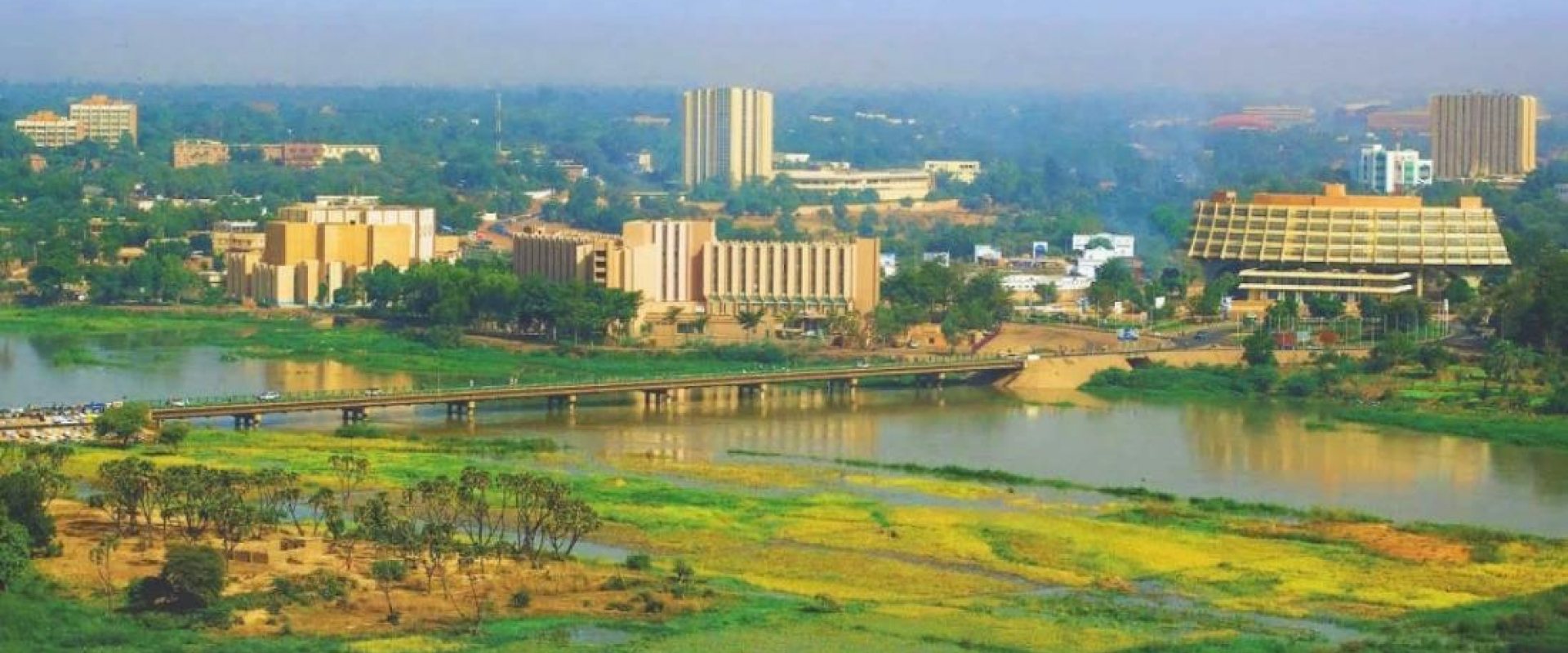
Niamey, Niger: The Sahelian Capital of Culture, Trade, Resilience, and Opportunity
Niamey is the capital and largest city of Niger, located in the southwestern part of the country along the banks of the Niger River. As the country's political, administrative, economic, educational, and cultural centre, Niamey plays an important role in the Sahel region.
The city has grown from a relatively small settlement into a major urban centre. Its location beside the Niger River has historically supported agriculture, fishing, transportation, and trade.
Today, Niamey is at the heart of Niger's development efforts, with opportunities emerging across agriculture, livestock, energy, mining, infrastructure, logistics, telecommunications, and digital services.
Overview of Niamey
Quick Facts
-
Country: Niger
-
Capital: Niamey
-
Region: West Africa / Sahel
-
Location: Southwestern Niger, on the Niger River
-
Population: More than 1.5 million in the wider urban area
-
Time Zone: West Africa Time (WAT, UTC+1)
-
Official Language: French
-
National Language: Hausa and other widely spoken local languages
-
Currency: West African CFA Franc (XOF)
-
Climate: Hot semi-arid climate
-
Major Sectors: Agriculture, Livestock, Mining, Energy, Trade, Construction, Transport, Telecommunications, Government Services
History of Niamey
The area around present-day Niamey has been inhabited by communities for centuries. The city developed around settlements along the Niger River and became increasingly important as a centre of regional commerce.
During the French colonial period, Niamey grew as an administrative centre.
After Niger gained independence in 1960, Niamey became the country's national capital and gradually expanded into its principal political and economic hub.
Its location on the Niger River continues to influence the city's economy, environment, and culture.
A Rich and Diverse Culture
Niamey reflects the cultural diversity of Niger and the wider Sahel.
Important cultural communities and traditions include:
-
Hausa
-
Zarma-Songhai
-
Tuareg
-
Fulani
-
Kanuri
-
Toubou
-
Other Nigerien communities
Cultural expression can be seen through:
-
Traditional music
-
Dance
-
Storytelling
-
Handicrafts
-
Jewellery
-
Leatherwork
-
Textiles
-
Traditional clothing
-
Contemporary African art
Famous Tourist Attractions
1. National Museum of Niger
One of Niamey's best-known cultural institutions, the museum showcases Nigerien history, archaeology, traditional crafts, clothing, and cultural heritage.
The museum complex also includes displays related to local wildlife and traditional architecture.
2. Grand Mosque of Niamey
A major religious and architectural landmark in the city, the Grand Mosque is an important part of Niamey's urban landscape.
3. Niger River
The Niger River is one of Niamey's defining natural features.
Visitors can enjoy:
-
River views
-
Boat excursions
-
Fishing activities
-
Photography
-
Riverside experiences
-
Bird watching
4. Petit Marché
A lively market offering clothing, food, household goods, crafts, and locally produced items.
5. W National Park
Located in the wider region, W National Park is part of a major transboundary protected area shared by Niger, Benin, and Burkina Faso.
The park is known for:
-
Elephants
-
Antelopes
-
Hippos
-
Monkeys
-
Birds
-
Savannah ecosystems
6. Kennedy Bridge
The bridge crossing the Niger River is an important transportation landmark and provides views of the river and surrounding urban landscape.
7. Niamey Artisan Market
A destination for traditional Nigerien crafts, including:
-
Tuareg jewellery
-
Leather goods
-
Wooden crafts
-
Textiles
-
Baskets
-
Decorative objects
Natural Beauty and Outdoor Activities
Niamey's location along the Niger River provides a contrast to the surrounding Sahelian environment.
Popular activities include:
-
River excursions
-
Fishing
-
Photography
-
Cultural tours
-
Market visits
-
Bird watching
-
Nature excursions
-
Wildlife tourism
The wider Niger region offers opportunities to explore desert, savannah, wetlands, and traditional communities.
Food and Culinary Scene
Niamey's cuisine reflects Sahelian and West African traditions.
Popular foods include:
-
Rice dishes
-
Millet-based meals
-
Couscous
-
Grilled meat
-
Grilled fish
-
Bean dishes
-
Maize-based foods
-
Peanut sauces
-
Vegetable stews
-
Fresh seasonal fruits
Tea is also an important part of social life in Niger and the wider Sahel.
Economy and Business Environment
Niamey is Niger's main economic and administrative centre.
Important sectors include:
-
Agriculture
-
Livestock
-
Mining
-
Energy
-
Construction
-
Retail
-
Telecommunications
-
Transport
-
Government Services
-
Financial Services
Niger is particularly known for its uranium resources, while gold, oil, livestock, and agricultural products are also important to the national economy.
Business Opportunities in Niamey
1. Agriculture and Agribusiness
Agriculture is central to Niger's economy and offers opportunities in:
-
Irrigation
-
Food processing
-
Drought-resistant crops
-
Agricultural equipment
-
Cold-chain systems
-
Grain storage
-
Livestock farming
-
Agritech
-
Food distribution
Climate-smart agriculture is particularly important because of the Sahel's challenging environmental conditions.
2. Livestock
Niger has a major livestock sector.
Business opportunities include:
-
Animal feed
-
Veterinary services
-
Livestock transportation
-
Dairy processing
-
Meat processing
-
Leather production
-
Cold-chain logistics
3. Renewable Energy
Niger receives significant solar radiation, creating strong potential for:
-
Solar farms
-
Off-grid solar
-
Solar irrigation
-
Battery storage
-
Mini-grids
-
Solar-powered water systems
-
Clean cooking technology
4. Mining and Natural Resources
Potential opportunities include:
-
Uranium services
-
Gold
-
Oil
-
Mining equipment
-
Mineral processing
-
Geological services
-
Environmental management
Responsible resource development can contribute to local employment and economic diversification.
5. Infrastructure
Urban growth creates demand for:
-
Roads
-
Bridges
-
Housing
-
Water infrastructure
-
Sanitation
-
Waste management
-
Construction materials
-
Public transportation
6. Information Technology
Digital transformation presents opportunities in:
-
Mobile payments
-
FinTech
-
E-commerce
-
Telecommunications
-
Digital education
-
Digital healthcare
-
Software development
-
Cybersecurity
Education
Niamey is the country's principal educational centre.
Major institutions include:
-
Abdou Moumouni University
-
African universities and professional institutions
-
Technical colleges
-
Vocational training centres
Important fields include:
-
Agriculture
-
Engineering
-
Medicine
-
Business
-
Law
-
Economics
-
Information Technology
-
Education
-
Environmental sciences
Expanding vocational education and digital skills could support Niger's future workforce.
Transportation
Niamey is the country's principal transportation hub.
Transportation includes:
-
Diori Hamani International Airport
-
Roads connecting major cities
-
Urban taxis
-
Buses
-
Motorcycle transport
-
Intercity transportation
-
Niger River transport in suitable areas
Improving transport and logistics infrastructure could strengthen Niamey's role as a regional trade centre.
Shopping and Local Markets
Niamey's markets are important centres of commerce.
Visitors can find:
-
Traditional clothing
-
Tuareg jewellery
-
Leather products
-
Handcrafted goods
-
Textiles
-
Food products
-
Spices
-
Household goods
The city's artisan markets are particularly interesting for visitors looking for authentic Nigerien crafts.
Cultural Events and Festivals
Niamey hosts cultural and community events showcasing Niger's diverse heritage.
Events may include:
-
Traditional music festivals
-
Cultural celebrations
-
Art exhibitions
-
Handicraft fairs
-
Agricultural exhibitions
-
Sporting events
-
Educational conferences
-
Business forums
Traditional Tuareg, Hausa, Zarma, Fulani, and other cultural influences contribute to Niger's vibrant cultural landscape.
Living in Niamey
Niamey is a rapidly developing Sahelian city with a population drawn from across Niger.
The city offers:
-
Universities
-
Hospitals
-
Government institutions
-
Markets
-
Restaurants
-
Hotels
-
Telecommunications services
-
Local businesses
-
Cultural institutions
The cost and availability of services can vary significantly between neighbourhoods, and the city's hot climate makes water, cooling, and reliable infrastructure particularly important.
Why Visit Niamey?
Niamey offers a distinctive Sahelian experience.
-
Culture enthusiasts can explore Nigerien art, music, crafts, and traditions.
-
Nature lovers can experience the Niger River and nearby protected areas.
-
Business travellers can explore agriculture, energy, mining, infrastructure, and telecommunications.
-
Adventure travellers can discover the wider Sahel and traditional communities.
-
Researchers and development professionals can understand the opportunities and challenges facing one of West Africa's Sahelian economies.
Future Growth and Emerging Opportunities
Niamey has considerable potential for development in several emerging sectors.
Key areas include:
-
Artificial Intelligence
-
FinTech
-
Renewable Energy
-
Solar Technology
-
Smart Agriculture
-
Digital Government
-
Healthcare Technology
-
Educational Technology
-
Water Management
-
Sustainable Construction
-
Logistics
-
E-commerce
The combination of a young population, growing urban demand, solar resources, agricultural needs, and regional trade potential creates opportunities for innovative businesses.
Sustainable Development Opportunities
Because Niger is highly exposed to climate and water challenges, sustainable development is particularly important.
Potential areas include:
-
Solar-powered irrigation
-
Water conservation
-
Drought-resistant agriculture
-
Desertification control
-
Sustainable livestock management
-
Waste recycling
-
Clean cooking
-
Green construction
-
Climate-resilient infrastructure
-
Sustainable water systems
Technology and community-based solutions can help improve resilience while creating new employment and business opportunities.
Niamey as a Gateway to the Sahel
Niamey's strategic position makes it important to Niger and the wider Sahel region.
The city can serve as a base for organisations and businesses working in:
-
Regional trade
-
Agriculture
-
Development
-
Logistics
-
Renewable energy
-
Telecommunications
-
Infrastructure
-
Humanitarian services
-
Education
-
Environmental projects
Its location along the Niger River and its role as the country's capital give it particular importance in national and regional development.
Conclusion
Niamey is more than the capital of Niger—it is a city shaped by the Niger River, Sahelian culture, trade, resilience, and the search for new economic opportunities.
From the National Museum and vibrant artisan markets to the Niger River and the wider landscapes of the Sahel, Niamey offers visitors a unique perspective on West Africa.
The city also has significant long-term potential in agriculture, renewable energy, technology, infrastructure, mining, logistics, healthcare, and sustainable development.
As Niger continues to urbanise and develop its economy, Niamey can play a central role in building a more connected, digitally enabled, climate-resilient, and diversified future.
Whether you are exploring Niger's culture, researching African markets, developing a business, studying the Sahel, or discovering new investment opportunities, Niamey provides an important gateway to Niger and the wider West African region.
#Niamey #Niger #VisitNiger #VisitNiamey #WestAfrica #Sahel #AfricanBusiness #BusinessOpportunities #Investment #Agriculture #Agribusiness #Livestock #Mining #Uranium #Gold #RenewableEnergy #SolarEnergy #ArtificialIntelligence #FinTech #Technology #Tourism #EcoTourism #Healthcare #Education #Infrastructure #DigitalTransformation #SmartAgriculture #Entrepreneurship #EconomicDevelopment #SustainableDevelopment #ClimateSmartAgriculture #CulturalHeritage #ExploreAfrica #FutureAfrica #lowkot