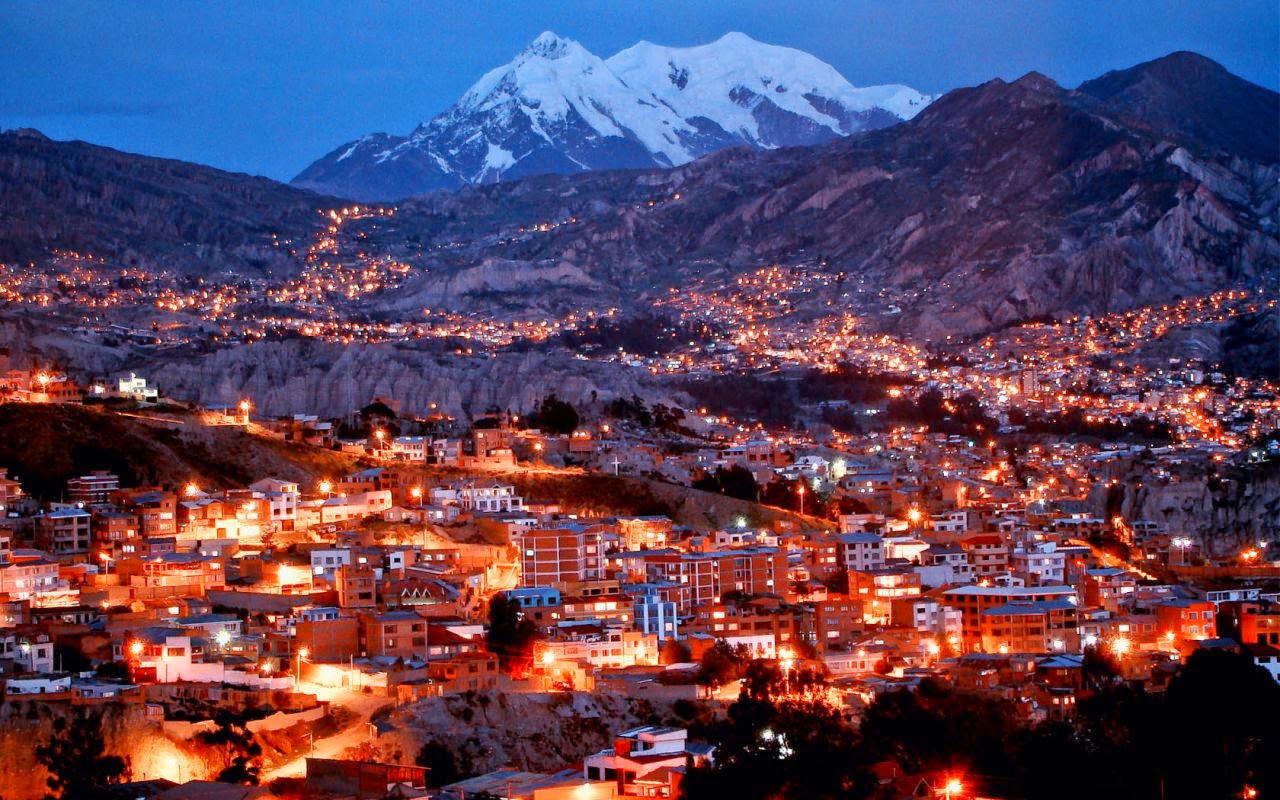
Ciudad de la Paz, Equatorial Guinea: Africa's New Capital of Modern Development and Opportunity
Ciudad de la Paz, meaning "City of Peace", is the new capital of Equatorial Guinea in Central Africa. Located in the mainland province of Djibloho, the planned city was previously known as Oyala and Djibloho.
A major development in 2026 changed the country's geography: the government officially declared Ciudad de la Paz the capital of Equatorial Guinea on 2 January 2026, replacing Malabo, which had served as the capital since independence.
The move reflects the government's stated goals of decentralizing state functions, promoting balanced territorial development, and creating greater space for future urban expansion. Ciudad de la Paz is located on the mainland rather than on Bioko Island, giving it a strategically different position within the country.
The city is one of the most ambitious planned urban developments in Central Africa and represents Equatorial Guinea's vision for a modern administrative and economic centre.
Overview of Ciudad de la Paz
Quick Facts
-
Country: Equatorial Guinea
-
Capital: Ciudad de la Paz
-
Former Names: Oyala, Djibloho
-
Province: Djibloho
-
Region: Mainland Equatorial Guinea / Río Muni
-
Official Language: Spanish
-
Currency: Central African CFA Franc (XAF)
-
Time Zone: West Africa Time (UTC+1)
-
Climate: Tropical
-
Major Economic Sectors: Oil & Gas, Mining, Construction, Agriculture, Forestry, Tourism, Logistics, Infrastructure, Technology
Ciudad de la Paz is still developing, with significant portions of its planned infrastructure and urban ecosystem having been built ahead of population growth. This makes the city quite different from established African capitals such as Libreville, Yaoundé, or Luanda.
Why Did Equatorial Guinea Move Its Capital?
The relocation from Malabo to Ciudad de la Paz is one of the most significant recent developments in Central African urban planning.
According to the Equatorial Guinean government, the move is intended to:
-
Promote balanced national development
-
Reduce concentration in Malabo and Bata
-
Decentralize government functions
-
Improve territorial connectivity
-
Support future population growth
-
Develop the mainland region
-
Create a modern administrative centre
The government also highlighted Malabo's geographical limitations as an island capital and the greater expansion potential available on the mainland.
History of Ciudad de la Paz
Ciudad de la Paz was developed as a planned capital project beginning under the name Oyala.
The project was envisioned as a new administrative city with modern government buildings, wide roads, public facilities, hotels, residential areas, and other infrastructure.
The city was later renamed Ciudad de la Paz, reflecting the country's Spanish-speaking identity.
In January 2026, the government formally established it as the national capital.
A Planned Modern City
Unlike many traditional African capitals that developed gradually around historic settlements, Ciudad de la Paz was largely designed as a new city.
Its development includes:
-
Government buildings
-
Presidential facilities
-
Wide boulevards
-
Modern roads
-
Administrative complexes
-
Hotels
-
Residential developments
-
Public buildings
-
Conference facilities
-
Green spaces
-
Planned commercial areas
The city therefore represents a different model of African urban development—one focused on planned expansion rather than organic historical growth.
Location and Strategic Importance
Ciudad de la Paz is located in the mainland part of Equatorial Guinea, within the province of Djibloho.
Its mainland location provides potential strategic advantages for:
-
National transportation
-
Government administration
-
Regional trade
-
Infrastructure development
-
Urban expansion
-
Mainland connectivity
-
Cross-border economic cooperation
Its position also places the city closer to Gabon and the wider Central African mainland than the former island capital of Malabo.
Tourism and Attractions
Because Ciudad de la Paz is a relatively new planned capital, its tourism offering differs from historic cities.
1. Presidential and Government District
The government district is one of the city's most distinctive features, featuring large-scale administrative architecture and planned public spaces.
2. Modern Boulevards
Wide roads and landscaped avenues form a major part of Ciudad de la Paz's urban identity.
They provide an interesting example of planned African urban development.
3. Ciudad de la Paz Urban Architecture
The city's large government buildings, hotels, public facilities, and modern infrastructure make its architecture an attraction in itself.
4. Djibloho Province
Visitors interested in nature and development can explore the wider Djibloho region surrounding the new capital.
5. Equatorial Guinea's Mainland Rainforests
The area surrounding Ciudad de la Paz is characterized by tropical vegetation and access to the biodiversity of mainland Equatorial Guinea.
Natural Environment
Ciudad de la Paz is surrounded by the tropical environment of mainland Equatorial Guinea.
Potential eco-tourism activities include:
-
Rainforest exploration
-
Bird watching
-
Nature photography
-
Hiking
-
Wildlife observation
-
Botanical tourism
-
Cultural tourism
-
Sustainable tourism
Equatorial Guinea's mainland is part of the wider Congo Basin ecological region, one of the world's most important tropical forest environments.
Culture and Society
Equatorial Guinea has a diverse cultural heritage, with communities including:
-
Fang
-
Bubi
-
Ndowe
-
Annobonese
-
Bisio
-
Other ethnic communities
Spanish is the country's official language, while various indigenous languages are widely spoken.
Traditional music, dance, storytelling, crafts, food, and community celebrations remain important elements of national culture.
Food and Culinary Experience
Traditional Equatorial Guinean cuisine combines Central African ingredients with Spanish and coastal influences.
Popular foods include:
-
Plantains
-
Cassava
-
Fish
-
Seafood
-
Chicken
-
Rice
-
Peanut-based sauces
-
Tropical fruits
-
Vegetables
-
Grilled meats
The country's Atlantic coastline also provides access to a variety of fresh seafood.
Economy and Business Environment
Equatorial Guinea's economy has historically been strongly connected to oil and natural gas.
Ciudad de la Paz's development creates opportunities for economic diversification and infrastructure-led growth.
Important sectors include:
-
Oil & Gas
-
Mining
-
Construction
-
Infrastructure
-
Agriculture
-
Forestry
-
Fisheries
-
Tourism
-
Logistics
-
Telecommunications
-
Financial Services
The creation of a new capital could stimulate additional demand for businesses serving government institutions, residents, visitors, and investors.
Business Opportunities in Ciudad de la Paz
1. Construction and Infrastructure
The development of a new capital creates opportunities in:
-
Construction
-
Civil engineering
-
Architecture
-
Building materials
-
Road development
-
Water infrastructure
-
Waste management
-
Smart infrastructure
2. Real Estate
As government institutions and businesses expand into the city, opportunities may emerge in:
-
Residential properties
-
Hotels
-
Office buildings
-
Retail centres
-
Serviced apartments
-
Commercial developments
3. Information Technology
A modern planned capital provides opportunities for:
-
Artificial Intelligence
-
Cloud computing
-
Cybersecurity
-
Smart-city technology
-
Digital government
-
Data centres
-
Telecommunications
-
E-commerce
-
Digital payments
4. Renewable Energy
Potential investment areas include:
-
Solar energy
-
Energy storage
-
Energy-efficient buildings
-
Smart grids
-
Waste-to-energy
-
Sustainable infrastructure
5. Agriculture and Agribusiness
The mainland region provides opportunities for:
-
Food production
-
Agricultural processing
-
Modern farming
-
Irrigation
-
Cold-chain logistics
-
Agritech
-
Food distribution
6. Tourism and Hospitality
As the new capital develops, opportunities may grow in:
-
Hotels
-
Restaurants
-
Conference centres
-
Business tourism
-
Eco-tourism
-
Tour operators
-
Cultural tourism
Education
The development of a new capital can create opportunities for educational infrastructure.
Potential growth areas include:
-
Universities
-
Technical institutes
-
Vocational training
-
Business schools
-
Technology education
-
Research centres
-
Language institutions
-
Professional training
Education and skills development will be important if Ciudad de la Paz is to develop a strong knowledge-based economy.
Transportation and Connectivity
Ciudad de la Paz is being developed with modern road infrastructure and planned connectivity.
Its strategic location on mainland Equatorial Guinea creates potential for stronger links with:
-
Bata
-
Mongomo
-
Malabo
-
Gabon
-
Cameroon
-
Central African regional markets
The city is also relatively close to President Obiang Nguema International Airport at Mongomeyen, supporting regional connectivity.
Future Business Potential
The most interesting aspect of Ciudad de la Paz is its long-term development potential.
As the new capital attracts government institutions, employees, businesses, and supporting services, demand could grow for:
-
Housing
-
Retail
-
Restaurants
-
Healthcare
-
Education
-
Transportation
-
Technology
-
Banking
-
Professional services
-
Hospitality
-
Logistics
This creates opportunities for both local entrepreneurs and international companies that understand the Central African market.
Smart City Opportunities
Ciudad de la Paz has the potential to develop as a modern smart city.
Future opportunities could include:
Smart Transportation
Intelligent traffic management, public transport monitoring, and digital mobility platforms.
Smart Energy
Solar power, energy storage, efficient buildings, and smart electricity networks.
Digital Government
Online public services, digital identity systems, e-government platforms, and automated administrative processes.
Smart Healthcare
Telemedicine, digital medical records, remote diagnostics, and healthcare technology.
Smart Education
Online learning, digital classrooms, professional training, and technology-focused education.
Why Ciudad de la Paz Matters for Africa
Ciudad de la Paz is significant because it represents a broader trend of African countries developing purpose-built administrative and economic centres.
The city demonstrates how governments are exploring:
-
Planned urbanisation
-
Decentralisation
-
Modern infrastructure
-
New economic centres
-
Digital transformation
-
Sustainable development
-
Regional connectivity
Its success will depend not only on infrastructure but also on attracting residents, businesses, educational institutions, investment, and economic activity.
Challenges and Development Considerations
Like any newly planned capital, Ciudad de la Paz faces important challenges.
These include:
-
Attracting a large permanent population
-
Building a diverse private-sector economy
-
Developing local employment
-
Creating vibrant commercial districts
-
Connecting the city efficiently to existing population centres
-
Maintaining expensive infrastructure
-
Encouraging tourism and business activity
The long-term success of the city will depend on turning its physical infrastructure into a functioning economic and social ecosystem.
Future Growth and Emerging Opportunities
Ciudad de la Paz could become an important Central African centre for:
-
Artificial Intelligence
-
FinTech
-
Smart Cities
-
Renewable Energy
-
Digital Government
-
Healthcare Technology
-
Educational Technology
-
Sustainable Construction
-
Logistics
-
Agritech
-
Eco-tourism
-
Green Infrastructure
-
Research and Innovation
The city's new status as the national capital gives it a unique opportunity to develop a modern administrative and economic identity from the ground up.
Conclusion
Ciudad de la Paz is one of the world's newest national capitals and one of Africa's most ambitious planned-city projects.
Its official designation as the capital of Equatorial Guinea on 2 January 2026 marks a historic change for the country.
Unlike older African capitals, Ciudad de la Paz has been designed with large-scale urban expansion and modern government infrastructure in mind. Its future will depend on successfully attracting people, businesses, investment, education, tourism, and innovation.
For entrepreneurs and investors, the city represents an emerging market where construction, technology, infrastructure, hospitality, agriculture, logistics, and professional services could play an increasingly important role.
For travellers, it offers a fascinating opportunity to experience one of the newest capital cities in the world while discovering the natural and cultural heritage of mainland Equatorial Guinea.
#CiudadDeLaPaz #EquatorialGuinea #GuineaEcuatorial #VisitEquatorialGuinea #VisitCiudadDeLaPaz #Africa #CentralAfrica #NewCapital #AfricanCapitals #BusinessOpportunities #Investment #SmartCity #SmartCities #Infrastructure #Construction #RealEstate #Technology #ArtificialIntelligence #FinTech #RenewableEnergy #DigitalGovernment #Agriculture #Agribusiness #Tourism #EcoTourism #Hospitality #Logistics #Education #EconomicDevelopment #SustainableDevelopment #AfricanBusiness #Innovation #FutureAfrica #lowkot