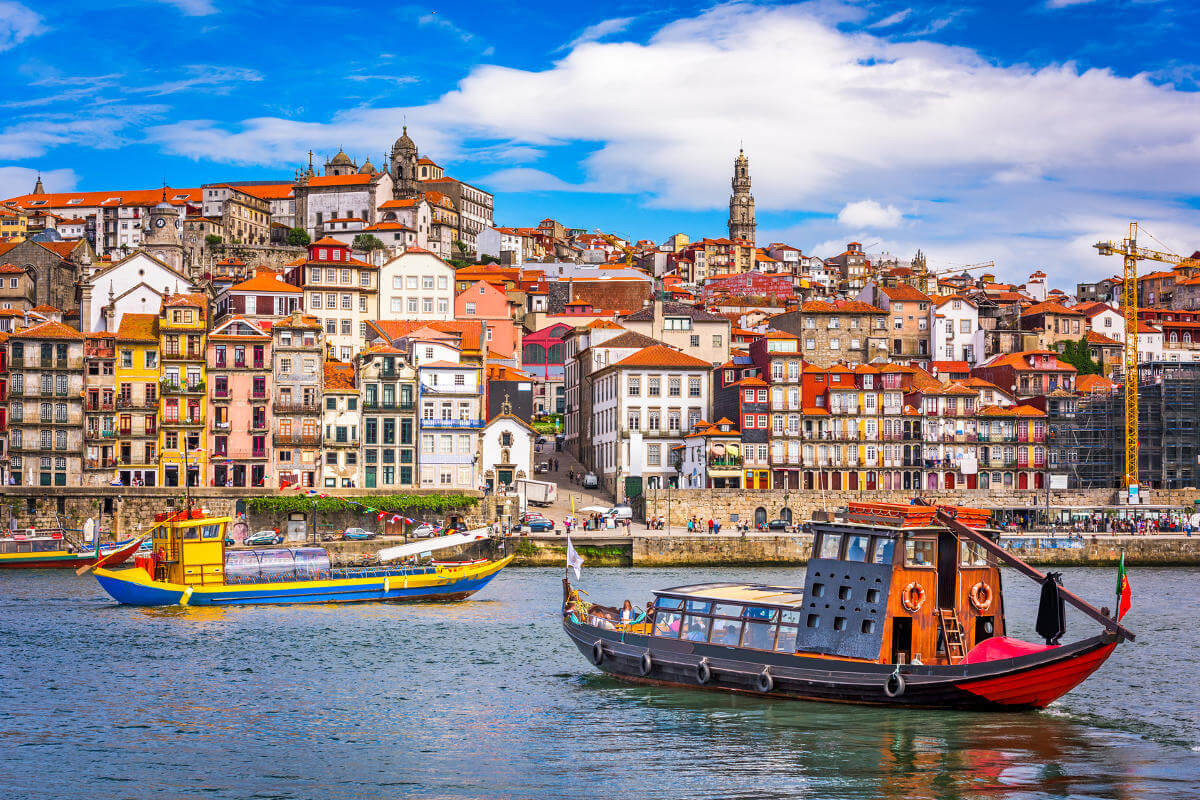
Porto-Novo, Benin: The Historic Capital of Culture, Heritage, and Opportunity
Porto-Novo is the official capital and one of the most historically important cities of Benin, located in West Africa near the country's southeastern border with Nigeria. Although Cotonou is Benin's largest city and major commercial centre, Porto-Novo remains the country's constitutional and political capital.
The city is known for its rich cultural heritage, traditional architecture, vibrant markets, museums, and strong connections to Yoruba, Goun, and Afro-Brazilian traditions.
Founded as an important coastal trading settlement, Porto-Novo developed through centuries of regional commerce and European contact. Its historic architecture reflects African traditions alongside Brazilian and Portuguese influences, making it one of the most culturally distinctive cities in West Africa.
Today, Porto-Novo combines government administration, education, commerce, traditional industries, tourism, and a growing modern economy.
Overview of Porto-Novo
Quick Facts
-
Country: Benin 🇧🇯
-
Capital City: Porto-Novo
-
Region: West Africa
-
Location: Southeastern Benin
-
Population: More than 260,000 in the city proper
-
Official Language: French
-
Widely Spoken Languages: Goun, Yoruba, Fon, and other local languages
-
Currency: West African CFA Franc (XOF)
-
Time Zone: West Africa Time (UTC+1)
-
Climate: Tropical
-
Major Economic Activities: Government, Trade, Agriculture, Handicrafts, Education, Tourism, Services
-
Nearest Major Commercial Centre: Cotonou
-
Neighbouring Country: Nigeria
History of Porto-Novo
Porto-Novo has a long history connected with the kingdoms and communities of the region.
The city developed as an important trading centre and was influenced by European maritime commerce. Portuguese traders and later French colonial authorities played important roles in its historical development.
The name Porto-Novo, meaning "New Port" in Portuguese, reflects the city's historical connection with Portuguese traders.
The city became the capital of French Dahomey and retained its political importance after Benin gained independence in 1960.
A Rich and Diverse Culture
Porto-Novo is one of Benin's most culturally significant cities.
Its heritage combines:
-
Goun traditions
-
Yoruba culture
-
Fon influences
-
Afro-Brazilian architecture
-
Traditional religious practices
-
West African music
-
Dance
-
Sculpture
-
Textile production
-
Wood carving
-
Contemporary art
The city is also closely connected to Vodun, an important spiritual and cultural tradition originating in the region.
Famous Tourist Attractions
1. Musée da Silva
A museum dedicated to the history and heritage of Porto-Novo, particularly its Afro-Brazilian cultural connections.
2. Great Mosque of Porto-Novo
One of the city's most remarkable architectural landmarks, the mosque reflects Afro-Brazilian architectural influences.
Its colourful façade and distinctive design make it one of Porto-Novo's most recognizable buildings.
3. Ethnographic Museum of Porto-Novo
The museum presents traditional Beninese culture through masks, costumes, musical instruments, religious objects, and everyday artefacts.
4. Royal Palace of King Toffa
A historic royal residence associated with the former rulers of Porto-Novo and the city's traditional political heritage.
5. Jardin des Plantes et de la Nature
A green space offering visitors an opportunity to explore local plant species and relax within the city.
6. Porto-Novo Markets
Local markets provide an authentic experience of everyday Beninese life.
Visitors can find:
-
Food
-
Clothing
-
Traditional fabrics
-
Crafts
-
Jewellery
-
Household goods
-
Spices
-
Local products
7. Afro-Brazilian Heritage Buildings
Porto-Novo contains numerous historic buildings reflecting the city's connection with Brazil and former returnee communities.
These structures are an important part of the city's architectural identity.
Natural Beauty and Outdoor Activities
Porto-Novo is surrounded by tropical landscapes, wetlands, waterways, and agricultural areas.
Popular activities include:
-
Cultural tours
-
Market visits
-
Photography
-
Nature walks
-
Bird watching
-
Boat excursions
-
Cycling
-
Eco-tourism
The city's proximity to Lake Nokoué and other waterways provides additional opportunities for exploring Benin's aquatic environments.
Food and Culinary Scene
Porto-Novo offers a wide variety of traditional Beninese cuisine.
Popular foods include:
-
Pâte
-
Akassa
-
Amiwo
-
Grilled fish
-
Chicken
-
Goat meat
-
Beans
-
Fried plantain
-
Yams
-
Cassava
-
Peanut-based sauces
-
Fresh tropical fruits
Beninese food is known for its use of spices, vegetables, seafood, grains, and locally produced ingredients.
Economy and Business Environment
Porto-Novo is an important administrative and economic centre, although Cotonou remains Benin's principal commercial and financial hub.
Important sectors in Porto-Novo include:
-
Government Services
-
Trade
-
Agriculture
-
Education
-
Construction
-
Handicrafts
-
Tourism
-
Transport
-
Retail
-
Small and Medium-Sized Enterprises
Its location near Nigeria also provides opportunities for cross-border commerce and regional trade.
Business Opportunities in Porto-Novo
1. Agriculture and Agribusiness
Opportunities include:
-
Food processing
-
Vegetable farming
-
Poultry
-
Livestock
-
Fish farming
-
Irrigation
-
Agricultural equipment
-
Agritech
-
Food distribution
2. Tourism and Cultural Heritage
Porto-Novo's historic identity creates opportunities in:
-
Heritage tourism
-
Boutique hotels
-
Tour operations
-
Cultural centres
-
Museums
-
Restaurants
-
Handicrafts
-
Event management
3. Technology and Digital Services
Growing digital adoption creates opportunities in:
-
FinTech
-
Mobile payments
-
E-commerce
-
Software development
-
Digital education
-
Cybersecurity
-
Digital government
-
Business Process Outsourcing
4. Renewable Energy
Benin's growing energy requirements create opportunities in:
-
Solar power
-
Solar irrigation
-
Battery storage
-
Mini-grids
-
Energy-efficient buildings
-
Clean cooking technology
5. Construction and Real Estate
Urban development creates demand for:
-
Housing
-
Commercial buildings
-
Construction materials
-
Property management
-
Road development
-
Water infrastructure
-
Waste management
Education
Porto-Novo has several educational institutions and benefits from its proximity to Benin's wider higher-education network.
Important areas of study include:
-
Business
-
Education
-
Law
-
Agriculture
-
Engineering
-
Medicine
-
Information Technology
-
Public Administration
Education and vocational training can play an important role in preparing young people for emerging industries.
Transportation
Porto-Novo has road connections to major cities in Benin and neighbouring Nigeria.
Transportation includes:
-
Roads
-
Taxis
-
Motorcycle taxis
-
Minibuses
-
Private vehicles
Its proximity to Cotonou and Nigeria strengthens its importance as part of the southeastern Beninese economic corridor.
Shopping and Local Markets
Porto-Novo's markets are excellent places to discover local culture and products.
Visitors can purchase:
-
Traditional fabrics
-
Jewellery
-
Wood carvings
-
Masks
-
Sculptures
-
Baskets
-
Clothing
-
Spices
-
Food products
Traditional crafts also provide income for local artisans and contribute to the preservation of cultural heritage.
Cultural Events and Festivals
Porto-Novo hosts cultural activities throughout the year.
These may include:
-
Vodun celebrations
-
Traditional dance events
-
Music festivals
-
Art exhibitions
-
Cultural fairs
-
Craft exhibitions
-
Food festivals
-
Community celebrations
The annual Porto-Novo International Festival and other cultural initiatives contribute to the city's growing profile as a heritage destination.
Living in Porto-Novo
Porto-Novo offers a quieter atmosphere than some of West Africa's larger commercial capitals.
The city provides:
-
Government institutions
-
Schools
-
Markets
-
Healthcare facilities
-
Restaurants
-
Local businesses
-
Cultural institutions
-
Residential neighbourhoods
Its relatively close connection to Cotonou means residents and businesses can access the wider economic opportunities of Benin's largest commercial city.
Why Visit Porto-Novo?
Porto-Novo is particularly attractive to travellers interested in history and culture.
-
History enthusiasts can explore royal palaces, museums, and historic architecture.
-
Culture lovers can discover Yoruba, Goun, Fon, and Afro-Brazilian traditions.
-
Architecture enthusiasts can admire the city's distinctive Afro-Brazilian buildings.
-
Food lovers can experience authentic Beninese cuisine.
-
Eco-tourists can explore nearby waterways and natural environments.
-
Business travellers can investigate opportunities in tourism, agriculture, trade, technology, and renewable energy.
Future Growth and Emerging Opportunities
Porto-Novo has opportunities to strengthen its role as a cultural, administrative, educational, and sustainable-development centre.
Emerging sectors include:
-
Artificial Intelligence
-
FinTech
-
Renewable Energy
-
Smart Agriculture
-
Digital Government
-
E-commerce
-
Healthcare Technology
-
Educational Technology
-
Sustainable Tourism
-
Green Construction
-
Logistics
-
Cultural Industries
Benin's position within the West African Economic and Monetary Union (WAEMU/UEMOA) and the wider West African market provides additional opportunities for businesses.
Sustainable Development Opportunities
Future development can focus on environmentally responsible urban growth.
Potential areas include:
-
Solar energy
-
Waste recycling
-
Sustainable construction
-
Public transportation
-
Water management
-
Urban agriculture
-
Coastal and wetland conservation
-
Eco-tourism
-
Climate-smart agriculture
Protecting Porto-Novo's cultural heritage and natural environment can also strengthen its tourism economy.
Porto-Novo as a Gateway to Benin and West Africa
Porto-Novo's proximity to Cotonou and Nigeria gives it strategic importance.
The city can serve as a base for businesses working in:
-
Cross-border trade
-
Agriculture
-
Tourism
-
Cultural industries
-
Education
-
Digital services
-
Logistics
-
Professional services
Its cultural heritage gives Porto-Novo a distinctive identity that complements Cotonou's role as Benin's commercial and port centre.
Conclusion
Porto-Novo is more than Benin's official capital—it is a living museum of West African history, culture, architecture, and tradition.
From the magnificent Great Mosque and royal heritage sites to its vibrant markets, museums, traditional crafts, and Afro-Brazilian architecture, Porto-Novo offers a unique experience unlike many other African capitals.
The city also has growing opportunities in tourism, agriculture, technology, renewable energy, education, construction, trade, and cultural industries.
Whether you are exploring Benin's history, discovering West African culture, looking for investment opportunities, or experiencing authentic local life, Porto-Novo provides a fascinating gateway to Benin's heritage and the wider West African region.
#PortoNovo #Benin #VisitBenin #VisitPortoNovo #WestAfrica #AfricanBusiness #BusinessOpportunities #Investment #Tourism #CulturalTourism #AfroBrazilianCulture #Vodun #HeritageTourism #Agriculture #Agribusiness #RenewableEnergy #ArtificialIntelligence #FinTech #Technology #Education #Healthcare #Construction #RealEstate #DigitalTransformation #SmartAgriculture #Entrepreneurship #EconomicDevelopment #CulturalHeritage #SustainableDevelopment #ExploreAfrica #BeninBusiness #FutureAfrica #lowkot