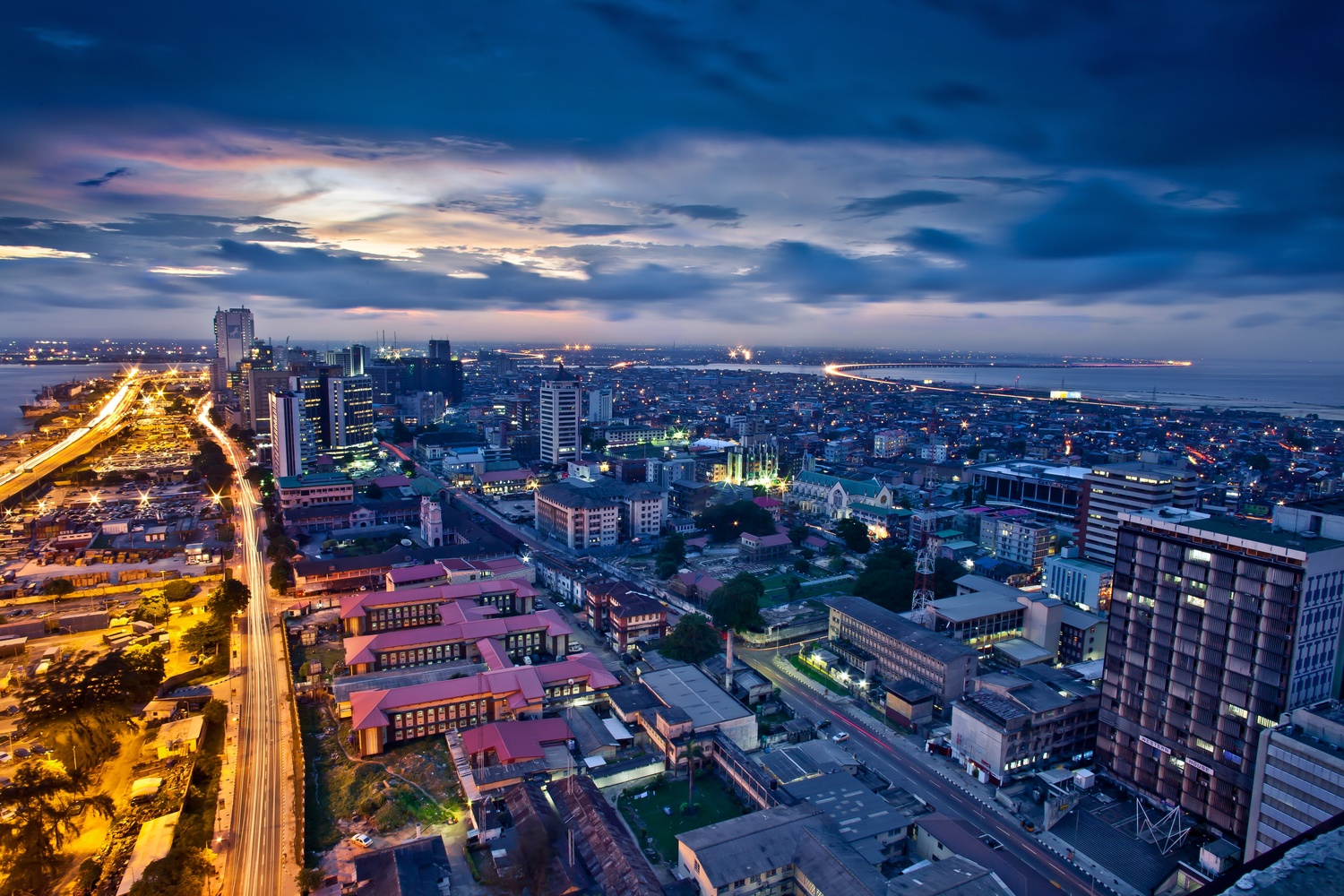
Accra, Ghana: The Vibrant Coastal Capital of Business, Culture, and Innovation
Accra is the capital and largest metropolitan area of Ghana, located along the Gulf of Guinea in West Africa. It is the country's political, economic, cultural, educational, and business centre.
Known for its warm coastal atmosphere, vibrant markets, historic neighbourhoods, modern business districts, creative industries, and entrepreneurial spirit, Accra has become one of West Africa's most internationally connected cities.
The city is also an important gateway to Ghana's growing economy and the wider West African market.
From government institutions and multinational companies to technology startups, creative businesses, universities, restaurants, hotels, and tourism enterprises, Accra brings together many of the forces shaping modern Ghana.
## Quick Facts
| Fact | Details |
|---|---|
| Country | Ghana 🇬🇭 |
| Capital City | Accra |
| Region | West Africa |
| Location | Southern Ghana, Gulf of Guinea |
| Population | More than 5 million in the wider metropolitan area |
| Official Language | English |
| Widely Spoken Languages | Akan, Ga, Ewe, Dagbani, and other Ghanaian languages |
| Currency | Ghanaian Cedi (GHS) |
| Time Zone | Greenwich Mean Time (UTC+0) |
| Climate | Tropical savanna / coastal climate |
| Major Economic Activities | Finance, Trade, Technology, Manufacturing, Services, Construction, Tourism, Agriculture |
| Major Airport | Kotoka International Airport |
| Main Port Serving Accra | Tema Port |
| Neighbouring Countries | Togo, Burkina Faso, Côte d’Ivoire |
| Known For | Beaches, culture, entrepreneurship, history, music, fashion, and business |
History of Accra
Accra's history stretches back centuries.
The area was originally inhabited by Ga communities, who established settlements along the coast and developed trading relationships with neighbouring communities.
European traders later established forts along Ghana's coastline. Important historical structures such as Osu Castle and Ussher Fort reflect this period.
Accra became increasingly important during British colonial rule and eventually became the capital of the Gold Coast.
Ghana gained independence from Britain on 6 March 1957, and Accra became the capital of the newly independent country.
Today, the city combines its historic heritage with a rapidly developing modern economy.
A Rich and Diverse Culture
Accra is one of the best places to experience Ghana's cultural diversity.
The city is influenced by:
-
Ga culture
-
Akan traditions
-
Ewe heritage
-
Northern Ghanaian cultures
-
Pan-African communities
-
Contemporary African culture
-
International influences
Accra is particularly famous for:
-
Highlife music
-
Afrobeats
-
Fashion
-
Contemporary art
-
Film
-
Dance
-
Food
-
Festivals
-
Creative entrepreneurship
Famous Tourist Attractions
1. Independence Arch
The Independence Arch is one of Accra's most recognizable national landmarks and represents Ghana's independence.
2. Kwame Nkrumah Memorial Park
Dedicated to Kwame Nkrumah, Ghana's first prime minister and first president, the memorial complex celebrates the country's independence history.
3. Osu Castle
Also known as Christiansborg Castle, this historic building reflects Ghana's colonial history and political development.
4. National Museum of Ghana
The museum presents Ghanaian history, archaeology, traditional culture, art, and ethnographic collections.
5. Labadi Beach
One of Accra's best-known beaches, popular for:
-
Relaxation
-
Music
-
Local food
-
Cultural performances
-
Beach activities
-
Sunsets
6. Jamestown
One of Accra's oldest neighbourhoods, Jamestown is known for its historic architecture, fishing community, boxing heritage, street art, and cultural identity.
7. Makola Market
One of the city's busiest commercial areas, where visitors can experience the energy of Accra's traditional trading culture.
8. W.E.B. Du Bois Memorial Centre
A cultural and historical centre dedicated to W.E.B. Du Bois, an important figure in Pan-African history.
9. Arts Centre
A popular destination for traditional Ghanaian crafts, including:
-
Kente-inspired textiles
-
Beads
-
Wood carvings
-
Paintings
-
Jewellery
-
Sculptures
10. National Theatre
An important centre for performing arts, theatre, music, dance, and cultural events.
Natural Beauty and Outdoor Activities
Accra's coastal location provides a mixture of beaches, lagoons, parks, and urban recreational spaces.
Popular activities include:
-
Beach visits
-
Surfing
-
Photography
-
Cycling
-
Walking tours
-
Cultural tours
-
Fishing
-
Bird watching
-
Outdoor dining
The wider Greater Accra Region also provides opportunities to explore coastal communities and natural landscapes.
Food and Culinary Scene
Accra has one of West Africa's most diverse culinary scenes.
Popular Ghanaian foods include:
-
Jollof rice
-
Waakye
-
Banku
-
Kenkey
-
Fufu
-
Red-red
-
Kelewele
-
Grilled tilapia
-
Groundnut soup
-
Light soup
-
Fried plantain
The city also has restaurants serving Nigerian, Lebanese, Indian, Chinese, Italian, Turkish, Ethiopian, and other international cuisines.
Economy and Business Environment
Accra is the economic heart of Ghana.
Major sectors include:
-
Financial Services
-
Banking
-
Telecommunications
-
Technology
-
Trade
-
Construction
-
Real Estate
-
Manufacturing
-
Tourism
-
Hospitality
-
Professional Services
-
Retail
The city hosts government institutions, banks, multinational companies, startups, international organisations, NGOs, diplomatic missions, and professional service firms.
Business Opportunities in Accra
1. Technology and Startups
Accra has developed into one of West Africa's emerging technology ecosystems.
Opportunities include:
-
Artificial Intelligence
-
FinTech
-
Software development
-
Cybersecurity
-
E-commerce
-
Digital payments
-
Cloud services
-
Data analytics
-
Business Process Outsourcing
2. Financial Services and FinTech
Ghana's growing digital economy creates opportunities in:
-
Mobile money
-
Digital banking
-
Payment platforms
-
Financial inclusion
-
InsurTech
-
Investment technology
-
SME financing
3. Agriculture and Agribusiness
Ghana's agricultural sector provides opportunities in:
-
Cocoa
-
Cashew
-
Fruits
-
Vegetables
-
Poultry
-
Fisheries
-
Food processing
-
Cold-chain logistics
-
Agritech
4. Real Estate and Construction
Accra's population growth creates demand for:
-
Housing
-
Office buildings
-
Shopping centres
-
Hotels
-
Serviced apartments
-
Construction materials
-
Property management
-
Smart buildings
5. Renewable Energy
Potential opportunities include:
-
Solar energy
-
Battery storage
-
Solar water systems
-
Energy-efficient buildings
-
Mini-grids
-
Clean cooking
-
Waste-to-energy
6. Tourism and Hospitality
Accra's history, beaches, culture, and international connections create opportunities in:
-
Hotels
-
Restaurants
-
Tour operators
-
Cultural tourism
-
Beach tourism
-
Conference tourism
-
Event management
-
Eco-tourism
Education
Accra is one of Ghana's most important education centres.
Major institutions include:
-
University of Ghana
-
University of Professional Studies, Accra
-
Ghana Institute of Management and Public Administration
-
Accra Technical University
-
Several private universities and international schools
Important fields include:
-
Business
-
Engineering
-
Medicine
-
Law
-
Economics
-
Technology
-
Agriculture
-
International Relations
-
Creative Arts
Transportation
Accra is Ghana's principal transportation hub.
Transportation includes:
-
Kotoka International Airport
-
Major highways
-
Taxis
-
Ride-hailing services
-
Buses
-
Tro-tros
-
Private vehicles
The nearby Port of Tema is particularly important to Accra's commercial ecosystem and Ghana's international trade.
Shopping and Local Markets
Accra offers a combination of traditional markets and modern shopping centres.
Popular destinations include:
-
Makola Market
-
Kaneshie Market
-
Osu
-
Accra Mall
-
Marina Mall
-
Arts Centre
Visitors can purchase:
-
Ghanaian fabrics
-
Kente products
-
Beads
-
Jewellery
-
Wood carvings
-
Artwork
-
Fashion
-
Food products
-
Souvenirs
Cultural Events and Festivals
Accra hosts numerous cultural and entertainment events.
These include:
-
Homowo Festival
-
Chale Wote Street Art Festival
-
Afrochella-style cultural events
-
Music festivals
-
Fashion shows
-
Film festivals
-
Art exhibitions
-
Trade fairs
-
Technology conferences
The city's creative economy has become an increasingly important part of its international identity.
Living in Accra
Accra offers a dynamic urban lifestyle with a mix of traditional neighbourhoods and modern districts.
Important areas include:
-
Osu
-
Cantonments
-
Airport Residential Area
-
East Legon
-
Labone
-
Ridge
-
Spintex
-
Dzorwulu
-
Labadi
-
Jamestown
The city offers:
-
International schools
-
Universities
-
Hospitals
-
Shopping centres
-
Restaurants
-
Hotels
-
Coworking spaces
-
Entertainment venues
-
Business centres
Why Visit Accra?
Accra appeals to a wide range of visitors.
-
History enthusiasts can explore Ghana's independence heritage.
-
Culture lovers can experience music, fashion, art, festivals, and traditional communities.
-
Food lovers can explore Ghanaian cuisine.
-
Beach lovers can enjoy the Atlantic coast.
-
Entrepreneurs can connect with Ghana's growing startup and business ecosystem.
-
International travellers can use Accra as a gateway to exploring Ghana and West Africa.
Future Growth and Emerging Opportunities
Accra is positioned to remain one of West Africa's major business and innovation centres.
Emerging sectors include:
-
Artificial Intelligence
-
FinTech
-
E-commerce
-
Renewable Energy
-
Agritech
-
HealthTech
-
EdTech
-
Smart Cities
-
Digital Government
-
Logistics Technology
-
Creative Industries
-
Sustainable Construction
Ghana's relatively diversified economy and Accra's international connectivity make the city attractive for businesses seeking opportunities in West Africa.
Sustainable Development Opportunities
Rapid urbanisation also creates challenges and opportunities for sustainable development.
Important areas include:
-
Renewable energy
-
Waste recycling
-
Sustainable transportation
-
Coastal protection
-
Water management
-
Green buildings
-
Urban agriculture
-
Climate-smart infrastructure
-
Sustainable fisheries
Developing efficient infrastructure while protecting Accra's coastline and natural ecosystems will be important for the city's long-term resilience.
Accra as a Gateway to West Africa
Accra's importance extends beyond Ghana.
The city provides connections to regional markets and international organisations and benefits from Ghana's position within ECOWAS and the wider African Continental Free Trade Area.
Businesses based in Accra can explore opportunities across:
-
Ghana
-
Togo
-
Côte d'Ivoire
-
Nigeria
-
Burkina Faso
-
Sierra Leone
-
Liberia
-
Other West African markets
The city is also an important location for international conferences, diplomatic activity, development organisations, and regional business networking.
Conclusion
Accra is more than Ghana's capital—it is one of West Africa's most dynamic centres of culture, commerce, creativity, and innovation.
From Jamestown and the Kwame Nkrumah Memorial Park to its beaches, markets, universities, technology companies, restaurants, and creative industries, Accra offers a powerful combination of history and modern African development.
The city's future opportunities span technology, FinTech, agriculture, renewable energy, tourism, real estate, logistics, healthcare, education, and creative industries.
For travellers, entrepreneurs, investors, students, and international organisations, Accra provides an important gateway to Ghana and the wider West African market.
#Accra #Ghana #VisitGhana #VisitAccra #WestAfrica #AfricanBusiness #BusinessOpportunities #Investment #Technology #ArtificialIntelligence #FinTech #Agriculture #Agribusiness #RenewableEnergy #SolarEnergy #Tourism #CulturalTourism #BeachTourism #Hospitality #RealEstate #Construction #Healthcare #Education #Ecommerce #DigitalTransformation #SmartCity #Agritech #Entrepreneurship #EconomicDevelopment #CulturalHeritage #lowkot #SustainableDevelopment #ExploreAfrica #GhanaBusiness #FutureAfrica