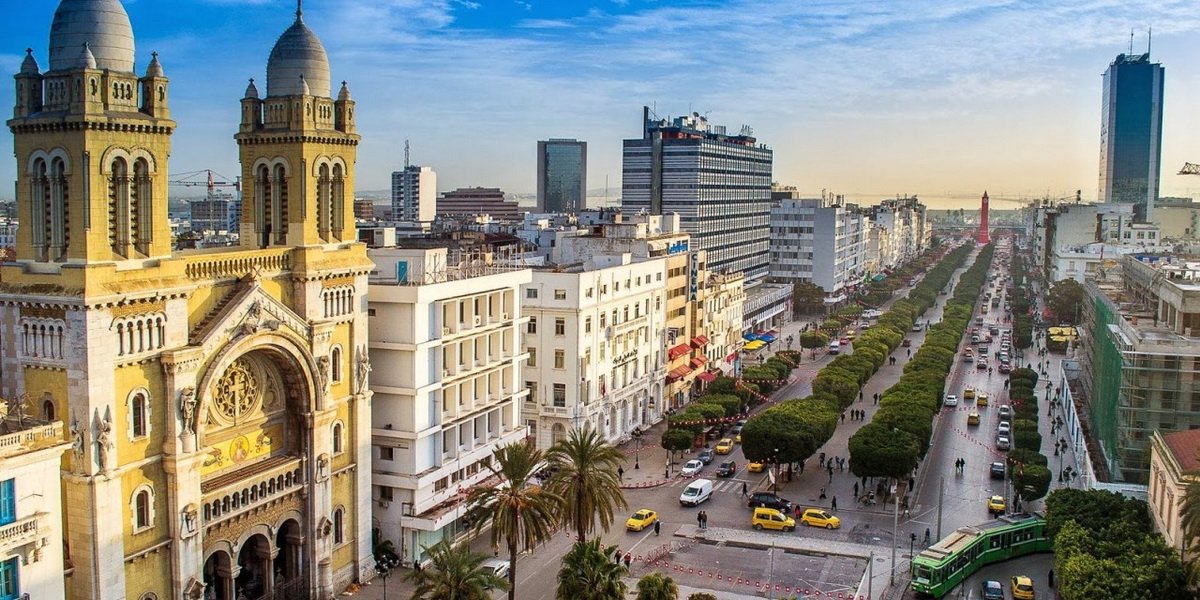
Tunis, Tunisia: Where Mediterranean Heritage, Modern Life, Culture, and Opportunity Meet
Tunis is the capital and largest city of Tunisia, located in North Africa near the Mediterranean Sea. It is the country's political, administrative, economic, cultural, and educational centre.
The city offers a remarkable combination of ancient history, Arab and Islamic heritage, Mediterranean influences, French-era architecture, modern business districts, universities, and coastal attractions.
Tunis is also strategically positioned between Europe, Africa, and the Middle East, giving it importance as a centre for trade, investment, diplomacy, technology, manufacturing, and tourism.
The wider metropolitan area includes important destinations and communities such as Carthage, La Marsa, Sidi Bou Said, Ariana, and Lac Tunis.
Quick Facts
| Fact | Details |
|---|---|
| Country | Tunisia 🇹🇳 |
| Capital City | Tunis |
| Region | North Africa |
| Location | Near the Mediterranean coast |
| Official Language | Arabic |
| Widely Used Languages | Tunisian Arabic, French and other languages |
| Currency | Tunisian Dinar (TND) |
| Time Zone | Central European Time (UTC+1) |
| Climate | Mediterranean |
| Major Economic Activities | Services, Manufacturing, Tourism, Technology, Trade, Agriculture |
| Major Airport | Tunis–Carthage International Airport |
| Major Port | Port of Radès and nearby Tunis-area ports |
| Known For | Carthage, Medina, Sidi Bou Said, Mediterranean culture, history and tourism |
History of Tunis
Tunis has a long and fascinating history influenced by several major civilizations.
The region has been shaped by:
-
Phoenician civilization
-
Ancient Carthage
-
Roman rule
-
Arab and Islamic dynasties
-
Ottoman influence
-
French colonial history
-
Modern Tunisia
The nearby ancient city of Carthage was one of the most important centres of the ancient Mediterranean world and a major rival of Rome.
After the Arab conquest of North Africa, Tunis developed as an important political and commercial centre. It later became a significant city under various Islamic and Ottoman rulers.
Tunisia gained independence from France in 1956, and Tunis became the capital of the modern Tunisian Republic.
Today, the city represents a meeting point between ancient heritage and modern development.
A Rich and Diverse Culture
Tunis reflects Tunisia's diverse cultural identity.
Its heritage includes:
-
Arab culture
-
Amazigh heritage
-
Mediterranean traditions
-
Islamic civilization
-
Ottoman influences
-
Phoenician and Roman history
-
French influences
-
Contemporary Tunisian culture
The city is known for:
-
Traditional music
-
Malouf music
-
Theatre
-
Cinema
-
Literature
-
Art
-
Architecture
-
Fashion
-
Handicrafts
-
Mediterranean cuisine
Tunisian culture is strongly connected to both North Africa and the Mediterranean world.
Famous Tourist Attractions
1. Medina of Tunis
The Medina of Tunis is one of the city's most important historic areas and a UNESCO World Heritage Site.
Visitors can explore:
-
Historic mosques
-
Traditional markets
-
Madrasas
-
Palaces
-
Narrow streets
-
Traditional architecture
-
Local craft shops
The Medina provides one of the best opportunities to experience the historical identity of Tunis.
2. Ancient Carthage
Located near Tunis, Carthage is one of Tunisia's most famous archaeological destinations.
Visitors can explore remains connected to:
-
Phoenician civilization
-
The Carthaginian Empire
-
Roman history
-
Ancient ports
-
Baths
-
Villas
-
Archaeological sites
Carthage remains one of the most historically important destinations in the Mediterranean region.
3. Sidi Bou Said
Sidi Bou Said is one of Tunisia's most famous and picturesque destinations.
The town is known for:
-
White buildings
-
Blue doors and windows
-
Mediterranean views
-
Traditional architecture
-
Cafés
-
Art galleries
It is located near Carthage and offers beautiful views of the Mediterranean Sea.
4. Bardo National Museum
The Bardo National Museum is one of Tunisia's most important museums.
It is particularly known for its remarkable collection of:
-
Roman mosaics
-
Archaeological artefacts
-
Islamic art
-
Ancient sculptures
-
Historical objects
It is an important destination for anyone interested in North African and Mediterranean history.
5. Avenue Habib Bourguiba
Often considered one of the main boulevards of Tunis, this avenue is an important centre for:
-
Cafés
-
Hotels
-
Shops
-
Business
-
Cultural institutions
-
Public life
The avenue reflects the modern and European-influenced side of the city.
6. Zitouna Mosque
The Zitouna Mosque is one of the most important historic religious institutions in Tunisia.
It has played a significant role in Islamic learning and the cultural history of Tunis.
7. Lake of Tunis
The lake and surrounding districts have become important areas for urban development, business, hotels, restaurants, and leisure.
Natural Beauty and Outdoor Activities
Tunis benefits from its Mediterranean location.
Popular activities include:
-
Walking
-
Coastal visits
-
Photography
-
Beach trips
-
Cycling
-
Boat excursions
-
Exploring historic sites
-
Visiting parks and gardens
Nearby destinations such as La Marsa, Gammarth, and Sidi Bou Said provide access to beaches, restaurants, hotels, and coastal scenery.
Food and Culinary Scene
Tunisian cuisine is one of the highlights of visiting Tunis.
Popular dishes include:
-
Couscous
-
Brik
-
Shakshouka
-
Lablabi
-
Ojja
-
Grilled fish
-
Seafood
-
Mechouia salad
-
Harissa-based dishes
-
Tunisian pastries
-
Dates
Harissa, a spicy chili paste, is one of Tunisia's best-known culinary products.
The Mediterranean coastline also makes seafood an important part of local cuisine.
Economy and Business Environment
Tunis is Tunisia's primary economic and commercial centre.
Major sectors include:
-
Financial services
-
Technology
-
Manufacturing
-
Tourism
-
Telecommunications
-
Trade
-
Transportation
-
Agriculture
-
Healthcare
-
Education
-
Professional services
Tunisia has developed important capabilities in industries such as manufacturing, automotive components, aerospace-related activities, electronics, textiles, ICT, and business services.
Tunis plays a central role in connecting these sectors with regional and international markets.
Business Opportunities in Tunis
1. Technology and Digital Economy
Tunis has a growing technology and startup ecosystem.
Opportunities include:
-
Artificial Intelligence
-
Software development
-
FinTech
-
Cybersecurity
-
E-commerce
-
Cloud services
-
Mobile applications
-
Digital payments
-
EdTech
-
HealthTech
-
Agritech
Tunisia's educated workforce and connections with European and African markets create opportunities for technology companies.
2. Manufacturing and Industry
Tunisia has an established manufacturing base.
Potential opportunities include:
-
Automotive components
-
Electronics
-
Aerospace supply chains
-
Textiles
-
Machinery
-
Food processing
-
Pharmaceuticals
-
Packaging
-
Industrial automation
The country's location can support businesses serving both European and African markets.
3. Tourism and Hospitality
Tourism remains an important part of Tunisia's economy.
Business opportunities include:
-
Hotels
-
Boutique accommodation
-
Restaurants
-
Cultural tourism
-
Heritage tourism
-
Medical tourism
-
Wellness tourism
-
Travel technology
-
Tour operations
-
Conference tourism
Tunis has a strong advantage because visitors can combine urban culture, ancient history, beaches, and Mediterranean experiences.
4. Renewable Energy
Tunisia has significant potential for clean-energy development.
Opportunities include:
-
Solar power
-
Wind energy
-
Energy storage
-
Smart grids
-
Energy efficiency
-
Green buildings
-
Renewable-energy engineering
-
Water technology
Renewable energy can play an increasingly important role in Tunisia's future economic development.
5. Agriculture and Food Processing
Tunisia has a diverse agricultural sector.
Opportunities include:
-
Olive oil
-
Dates
-
Citrus fruits
-
Vegetables
-
Food processing
-
Packaging
-
Cold storage
-
Agricultural technology
-
Irrigation systems
Tunisia is internationally recognised for agricultural products such as olive oil and dates.
6. Logistics and Trade
Tunis and the surrounding region have important transport and trade infrastructure.
Opportunities include:
-
Warehousing
-
Freight forwarding
-
Shipping services
-
Supply-chain management
-
Cold-chain logistics
-
Customs technology
-
Distribution
-
E-commerce logistics
Tunisia's location between Europe and Africa creates strategic opportunities for logistics and international trade.
Education
Tunis is Tunisia's leading centre for higher education and research.
Important institutions include:
-
University of Tunis
-
University of Tunis El Manar
-
University of Carthage
-
Engineering schools
-
Business schools
-
Medical institutions
-
Research centres
Important fields include:
-
Engineering
-
Medicine
-
Technology
-
Business
-
Economics
-
Artificial Intelligence
-
Science
-
Law
-
Architecture
-
International Relations
The city's educational ecosystem supports Tunisia's skilled workforce and technology sector.
Transportation
Tunis has an extensive transportation network.
Options include:
-
Tunis Metro
-
Light rail
-
Buses
-
Taxis
-
Private vehicles
-
Rail connections
-
Regional transport
Tunis–Carthage International Airport serves as the city's main international aviation gateway.
The metropolitan area also benefits from major port and logistics facilities, particularly around Radès.
Shopping and Local Markets
Tunis offers a combination of traditional and modern shopping experiences.
Visitors can explore:
-
Medina souks
-
Modern shopping centres
-
Boutiques
-
Artisan shops
-
Local markets
Popular products include:
-
Carpets
-
Ceramics
-
Leather goods
-
Jewellery
-
Traditional clothing
-
Olive oil
-
Spices
-
Harissa
-
Dates
-
Handmade crafts
Cultural Events and Festivals
Tunis has a vibrant cultural and artistic scene.
Events can include:
-
Music festivals
-
Film festivals
-
Theatre
-
Art exhibitions
-
Literary events
-
Fashion shows
-
Cultural celebrations
-
International conferences
Tunisia's broader cultural calendar also includes internationally recognised festivals and events celebrating music, cinema, history, and the arts.
Living in Tunis
Tunis offers a mixture of historic neighbourhoods, modern districts, and coastal communities.
Important areas include:
-
La Marsa
-
Carthage
-
Sidi Bou Said
-
Les Berges du Lac
-
Mutuelleville
-
El Menzah
-
Ariana
-
Medina
The wider metropolitan area offers:
-
Universities
-
Hospitals
-
International schools
-
Hotels
-
Restaurants
-
Shopping centres
-
Cultural institutions
-
Government offices
-
Diplomatic missions
-
Business districts
Why Visit Tunis?
Tunis offers an exceptional combination of ancient history, Mediterranean beauty, Arab culture, modern city life, and coastal experiences.
-
History lovers can explore Carthage, the Medina, and Bardo Museum.
-
Culture enthusiasts can enjoy Tunisian music, art, architecture, and cuisine.
-
Beach lovers can visit nearby coastal destinations.
-
Food lovers can discover couscous, brik, seafood, pastries, and harissa.
-
Business travellers can explore technology, manufacturing, logistics, tourism, and renewable energy.
Future Growth and Emerging Opportunities
Tunis has strong potential in several modern industries.
Key growth sectors include:
-
Artificial Intelligence
-
FinTech
-
Cybersecurity
-
Software Development
-
Renewable Energy
-
Green Hydrogen
-
Smart Cities
-
HealthTech
-
EdTech
-
Agritech
-
Manufacturing Technology
-
Digital Government
-
E-commerce
-
Logistics Technology
Tunisia's location, skilled workforce, and links with Europe, Africa, and the Middle East could support future economic growth.
Sustainable Development Opportunities
As Tunis continues to grow, sustainable urban development will become increasingly important.
Key opportunities include:
-
Renewable energy
-
Sustainable transportation
-
Electric mobility
-
Green buildings
-
Water conservation
-
Waste recycling
-
Circular economy
-
Smart infrastructure
-
Coastal protection
-
Sustainable tourism
Investment in clean technology and resilient infrastructure can help strengthen Tunis as a sustainable Mediterranean capital.
Tunis as a Gateway to Tunisia, Africa, and the Mediterranean
Tunis is strategically positioned as a gateway for:
-
International business
-
Trade
-
Tourism
-
Technology
-
Manufacturing
-
Education
-
Investment
-
Diplomacy
-
Research
Its geographical position provides connections with:
-
North Africa
-
Europe
-
Sub-Saharan Africa
-
The Middle East
-
The Mediterranean region
This makes Tunis an attractive location for companies and organisations seeking regional expansion.
Conclusion
Tunis is more than the capital of Tunisia—it is a city where ancient civilizations, Arab and Mediterranean culture, modern business, and future opportunities come together.
From the historic Medina of Tunis and Zitouna Mosque to the ancient ruins of Carthage, the artistic beauty of Sidi Bou Said, and the remarkable collections of the Bardo National Museum, Tunis offers a unique combination of history and modern life.
Its strongest future opportunities are likely to emerge in technology, artificial intelligence, manufacturing, renewable energy, logistics, agriculture, tourism, education, and sustainable development.
For travellers, entrepreneurs, investors, students, researchers, and international organisations, Tunis provides an important gateway to Tunisia, North Africa, Africa, and the Mediterranean world.
#Tunis #Tunisia #VisitTunisia #VisitTunis #NorthAfrica #Mediterranean #AfricanBusiness #BusinessOpportunities #Investment #TunisianCulture #Carthage #SidiBouSaid #MedinaOfTunis #BardoMuseum #TunisiaTourism #MediterraneanTourism #CulturalTourism #HeritageTourism #Technology #lowkot #ArtificialIntelligence #FinTech #Cybersecurity #SoftwareDevelopment #Manufacturing #AutomotiveIndustry #RenewableEnergy #SolarEnergy #WindEnergy #GreenHydrogen #Agriculture #OliveOil #Dates #Logistics #Tourism #SmartCities #Education #DigitalTransformation #Entrepreneurship #EconomicDevelopment #SustainableDevelopment #ExploreTunisia #ExploreAfrica #TunisiaBusiness #FutureAfrica