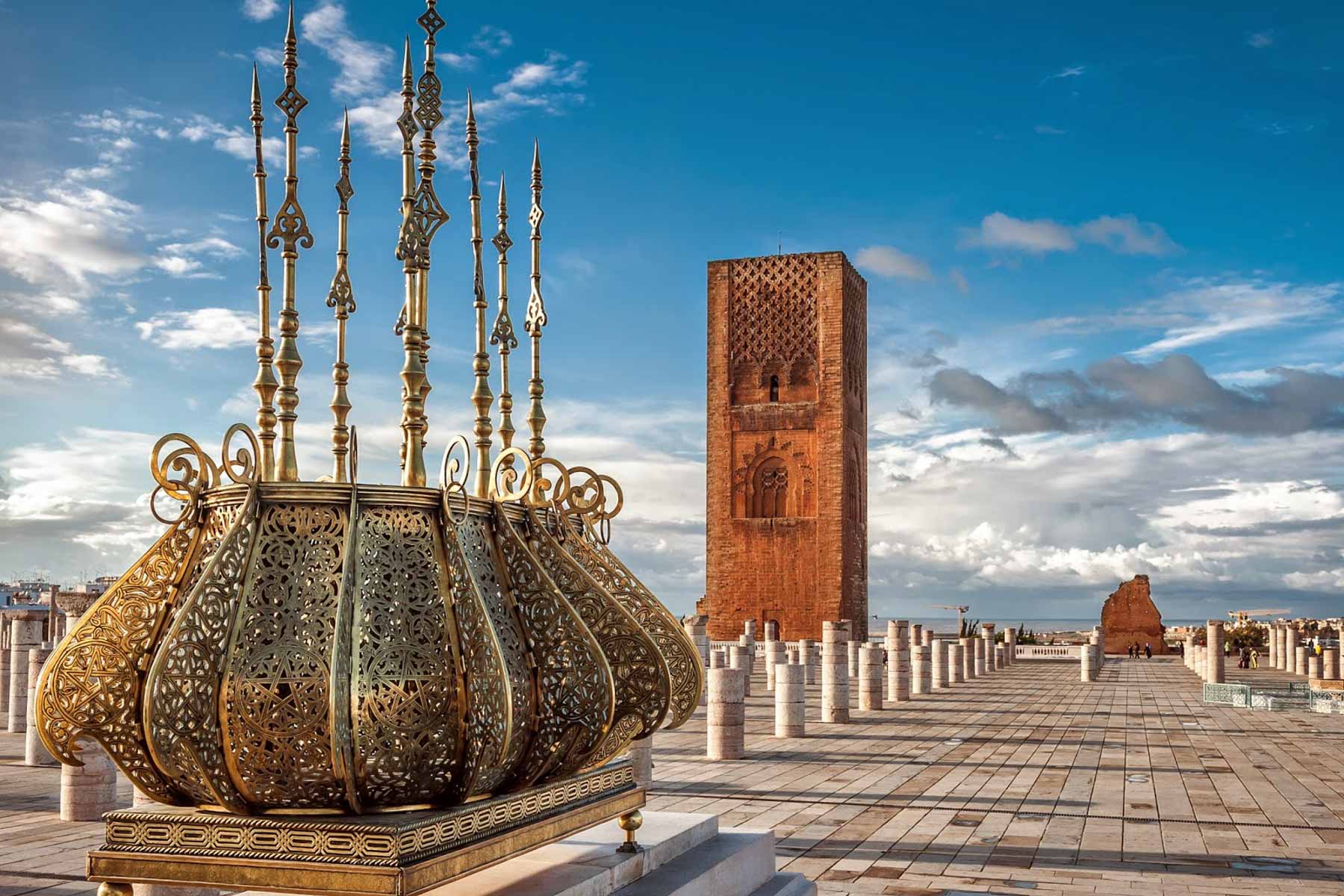
Rabat, Morocco: Where History, Culture, Innovation, and Opportunity Meet
Rabat is the capital city of Morocco and one of North Africa's most important political, administrative, cultural, and educational centres.
Located along the Atlantic coast and at the mouth of the Bouregreg River, Rabat combines historic architecture, royal heritage, modern infrastructure, green spaces, universities, diplomatic institutions, and a growing business environment.
Compared with Morocco's larger commercial cities, Rabat has a distinctive character. It is known for its planned urban environment, government institutions, diplomatic presence, cultural heritage, and high quality of life.
The city is also part of the wider Rabat–Salé–Kénitra region, an important area for administration, technology, education, services, manufacturing, tourism, and infrastructure development.
Quick Facts
| Fact | Details |
|---|---|
| Country | Morocco 🇲🇦 |
| Capital City | Rabat |
| Region | North Africa |
| Location | Atlantic coast of Morocco |
| Major River | Bouregreg River |
| Official Languages | Arabic and Amazigh |
| Widely Used Languages | Moroccan Arabic, French, and other languages |
| Currency | Moroccan Dirham (MAD) |
| Time Zone | Morocco Time |
| Climate | Mediterranean with Atlantic influence |
| Major Economic Activities | Government, Services, Technology, Education, Finance, Construction, Tourism |
| Major Airport | Rabat–Salé Airport |
| Known For | Royal heritage, UNESCO sites, diplomacy, culture, gardens, and modern development |
History of Rabat
Rabat has a long and fascinating history that reflects Morocco's position at the crossroads of Africa, Europe, the Arab world, and the Mediterranean region.
The city's history can be traced to ancient settlements in the region. Rabat later developed significantly during the Almohad period, when important defensive and religious structures were built.
The Kasbah of the Udayas became one of the city's most important historic areas.
During the 20th century, Rabat developed further under the French Protectorate and became an important administrative centre.
When Morocco gained independence in 1956, Rabat remained the country's capital.
Today, the city combines historic districts with modern neighbourhoods, government institutions, embassies, universities, and business centres.
A Rich and Diverse Culture
Rabat reflects Morocco's rich cultural identity, influenced by:
-
Arab heritage
-
Amazigh culture
-
Andalusian traditions
-
Islamic civilisation
-
African influences
-
Mediterranean connections
-
French and European influences
The city's cultural life includes:
-
Traditional music
-
Andalusian music
-
Gnawa influences
-
Contemporary art
-
Literature
-
Architecture
-
Fashion
-
Cinema
-
Handicrafts
Moroccan hospitality, cuisine, craftsmanship, and artistic traditions are an important part of daily life.
Famous Tourist Attractions
1. Hassan Tower
Hassan Tower is one of Rabat's most famous landmarks.
The unfinished minaret dates back to the Almohad period and remains an important symbol of the city.
2. Mausoleum of Mohammed V
Located beside Hassan Tower, the Mausoleum of Mohammed V is an important national monument and an impressive example of Moroccan architecture.
It is one of the city's most visited landmarks.
3. Kasbah of the Udayas
The Kasbah of the Udayas is a historic fortress district overlooking the Bouregreg River and the Atlantic Ocean.
Visitors can explore:
-
Narrow streets
-
Traditional houses
-
Historic architecture
-
Gardens
-
Coastal views
It is one of Rabat's most picturesque destinations.
4. Chellah
Chellah is an important archaeological and historic site featuring remains associated with ancient and medieval periods.
The site combines:
-
Roman heritage
-
Islamic history
-
Archaeological remains
-
Gardens
-
Birdlife
It is a fascinating destination for history and culture enthusiasts.
5. Rabat Medina
The traditional Medina of Rabat offers an opportunity to experience local markets, traditional crafts, Moroccan architecture, and everyday life.
Visitors can find:
-
Carpets
-
Leather goods
-
Traditional clothing
-
Jewellery
-
Ceramics
-
Spices
-
Handicrafts
6. Mohammed VI Museum of Modern and Contemporary Art
One of Morocco's important institutions for modern and contemporary art.
The museum showcases artistic works and supports Morocco's growing cultural sector.
7. Royal Palace
The Royal Palace is one of Rabat's important national landmarks and reflects the city's role as Morocco's political capital.
8. Rabat Archaeological Museum
The museum provides insight into Morocco's ancient history and archaeological heritage.
Natural Beauty and Outdoor Activities
Rabat offers a combination of Atlantic coastline, river landscapes, gardens, and urban green spaces.
Popular activities include:
-
Walking along the Bouregreg River
-
Visiting gardens
-
Exploring historic districts
-
Beach visits
-
Cycling
-
Photography
-
Boat trips
-
Cultural tours
The city's relatively green environment and Atlantic influence contribute to its pleasant atmosphere.
Rabat's Atlantic Coast
The Atlantic coastline provides opportunities for:
-
Beach activities
-
Surfing
-
Walking
-
Photography
-
Cafés and restaurants
-
Coastal tourism
Nearby coastal destinations also offer opportunities for water sports and relaxation.
Food and Culinary Scene
Rabat offers the rich and diverse flavours of Moroccan cuisine.
Popular dishes include:
-
Tagine
-
Couscous
-
Pastilla
-
Harira
-
Mechoui
-
Grilled fish
-
Seafood
-
Moroccan salads
-
Moroccan pastries
-
Dates
-
Mint tea
The city's restaurants range from traditional Moroccan cuisine to modern international dining.
Economy and Business Environment
Rabat is Morocco's political and administrative capital, making government and professional services important parts of its economy.
Major sectors include:
-
Government services
-
Financial services
-
Technology
-
Telecommunications
-
Education
-
Research
-
Construction
-
Tourism
-
Real estate
-
Professional services
-
Healthcare
The wider Rabat region is also developing as an important centre for innovation, technology, higher education, and infrastructure.
Business Opportunities in Rabat
1. Technology and Digital Economy
Rabat has growing opportunities in:
-
Artificial Intelligence
-
Software development
-
FinTech
-
Cybersecurity
-
Cloud services
-
Digital government
-
E-commerce
-
Data services
-
EdTech
-
HealthTech
Morocco's continued investment in digital transformation creates opportunities for technology companies and entrepreneurs.
2. Education and Research
Rabat is one of Morocco's leading educational centres.
Opportunities include:
-
EdTech
-
Online education
-
Research partnerships
-
Vocational training
-
Artificial Intelligence education
-
Language training
-
Professional development
The presence of universities and research institutions supports innovation and knowledge-based industries.
3. Renewable Energy and Green Technology
Morocco has become an important player in renewable-energy development.
Business opportunities include:
-
Solar technology
-
Wind energy
-
Energy storage
-
Green buildings
-
Energy efficiency
-
Smart grids
-
Water technology
-
Sustainable infrastructure
4. Tourism and Hospitality
Rabat offers opportunities in:
-
Hotels
-
Boutique accommodation
-
Restaurants
-
Cultural tourism
-
Heritage tourism
-
Event management
-
Conference tourism
-
Travel technology
-
Guided experiences
The city's combination of historic attractions and modern infrastructure supports year-round tourism.
5. Construction and Smart Cities
Rabat's urban development creates opportunities in:
-
Smart buildings
-
Sustainable construction
-
Infrastructure
-
Urban planning
-
Public transportation
-
Water management
-
Waste management
-
Green architecture
6. Creative Industries
Morocco's growing creative economy creates opportunities in:
-
Film
-
Photography
-
Fashion
-
Design
-
Digital media
-
Gaming
-
Music
-
Advertising
-
Content production
Education
Rabat is one of Morocco's most important centres for higher education and research.
Major institutions include:
-
Mohammed V University
-
Mohammed VI Polytechnic University and associated research networks
-
International University of Rabat
-
Various engineering schools
-
Business schools
-
Research institutions
The city offers education in:
-
Engineering
-
Medicine
-
Law
-
Business
-
Artificial Intelligence
-
Technology
-
International Relations
-
Economics
-
Architecture
-
Science
Transportation
Rabat has a relatively developed transportation network.
Transportation options include:
-
Rabat–Salé Airport
-
National rail connections
-
High-speed rail connections through Morocco's broader rail network
-
Tramway services
-
Buses
-
Taxis
-
Private transportation
The Rabat–Salé tramway connects important areas across the metropolitan region.
Shopping and Local Markets
Rabat offers both traditional and modern shopping experiences.
Visitors can explore:
-
Rabat Medina
-
Traditional souks
-
Shopping centres
-
Boutiques
-
Artisan stores
-
Contemporary retail areas
Popular products include:
-
Moroccan carpets
-
Leather goods
-
Ceramics
-
Traditional clothing
-
Jewellery
-
Argan-based products
-
Spices
-
Handicrafts
Cultural Events and Festivals
Rabat has an active cultural calendar featuring:
-
Music festivals
-
Film events
-
Art exhibitions
-
Theatre
-
Literary events
-
Fashion events
-
International conferences
-
Cultural celebrations
The city is an important centre for Morocco's contemporary arts and cultural diplomacy.
Living in Rabat
Rabat is often regarded as one of Morocco's more organised and comfortable major cities.
Important areas include:
-
Agdal
-
Hay Riad
-
Hassan
-
Souissi
-
Medina
-
Yacoub El Mansour
-
L'Océan
The city offers:
-
Universities
-
Hospitals
-
International schools
-
Restaurants
-
Hotels
-
Shopping centres
-
Parks
-
Government institutions
-
Diplomatic missions
-
Business districts
Why Visit Rabat?
Rabat offers a balanced combination of history, culture, architecture, nature, and modern urban life.
-
History lovers can explore Chellah, Hassan Tower, and the Kasbah of the Udayas.
-
Culture enthusiasts can experience Moroccan art, architecture, music, and cuisine.
-
Beach lovers can enjoy the Atlantic coastline.
-
Business travellers can explore technology, education, government, finance, and professional services.
-
Students and researchers can benefit from the city's universities and academic institutions.
Future Growth and Emerging Opportunities
Rabat is well positioned for growth in several modern industries.
Key sectors include:
-
Artificial Intelligence
-
FinTech
-
Cybersecurity
-
Green Technology
-
Renewable Energy
-
Smart Cities
-
EdTech
-
HealthTech
-
Biotechnology
-
Digital Government
-
Creative Industries
-
Sustainable Construction
Morocco's strategic location between Africa, Europe, and the Middle East also creates opportunities for international business and regional expansion.
Sustainable Development Opportunities
Rabat's future development increasingly depends on sustainability and smart urban planning.
Important opportunities include:
-
Renewable energy
-
Electric mobility
-
Sustainable transportation
-
Green buildings
-
Water conservation
-
Smart infrastructure
-
Waste recycling
-
Circular economy
-
Urban green spaces
-
Coastal protection
Investment in sustainable cities and clean technology can strengthen Rabat's position as a modern and environmentally responsible capital.
Rabat as a Gateway to Morocco and Africa
As Morocco's capital, Rabat plays an important role in:
-
Government relations
-
Diplomacy
-
International organisations
-
Investment
-
Technology
-
Education
-
Research
-
Cultural exchange
The city can serve as a strategic base for organisations seeking connections across:
-
North Africa
-
West Africa
-
Europe
-
The Middle East
Morocco's geographic position and strong international connections provide Rabat with significant strategic value.
Conclusion
Rabat is more than the capital of Morocco—it is a city where royal heritage, Atlantic beauty, historic architecture, education, diplomacy, and modern innovation come together.
From the Hassan Tower and Mausoleum of Mohammed V to the Kasbah of the Udayas, Chellah, Medina, museums, and Atlantic coastline, Rabat offers a refined and culturally rich experience.
Its strongest future opportunities are likely to emerge in technology, artificial intelligence, renewable energy, education, tourism, smart cities, sustainable construction, research, finance, and digital transformation.
For travellers, entrepreneurs, investors, students, researchers, and international organisations, Rabat provides an important gateway to Morocco, North Africa, and wider international markets.
#Rabat #Morocco #VisitMorocco #VisitRabat #MoroccanCulture #NorthAfrica #Africa #AfricanBusiness #BusinessOpportunities #Investment #RabatTourism #MoroccoTourism #HassanTower #KasbahOfTheUdayas #Chellah #AtlanticCoast #MoroccanFood #CulturalTourism #HeritageTourism #Technology #ArtificialIntelligence #FinTech #Cybersecurity #RenewableEnergy #SolarEnergy #WindEnergy #SmartCities #Education #Research #Tourism #Hospitality #Construction #GreenBuilding #DigitalTransformation #Entrepreneurship #EconomicDevelopment #SustainableDevelopment #ExploreMorocco #ExploreAfrica #MoroccoBusiness #FutureAfrica #lowkot