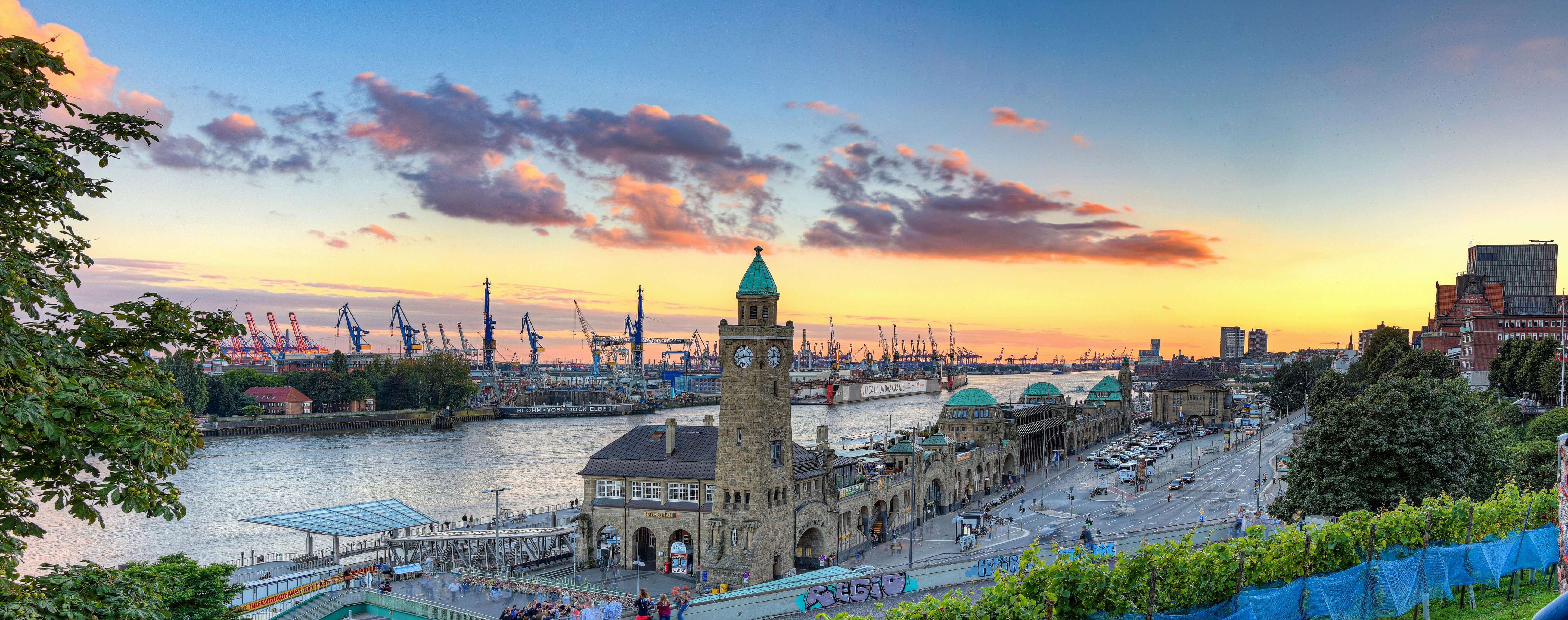
Hamburg, Germany: The Maritime Gateway to Europe and a Global Business Hub
Hamburg, Germany's second-largest city, is one of Europe's most important port cities and a leading center for trade, logistics, innovation, and culture. Situated on the banks of the Elbe River, about 110 kilometers from the North Sea, Hamburg is known as the "Gateway to the World" because of its historic and modern role in international shipping and global commerce.
Combining centuries of maritime heritage with cutting-edge technology, world-class infrastructure, and a vibrant cultural scene, Hamburg attracts millions of tourists, entrepreneurs, students, and investors every year. The city is home to one of Europe's largest ports, an expanding startup ecosystem, internationally recognized universities, and a high quality of life.
Whether you're planning a European holiday, looking to expand your business, pursue higher education, or invest in Germany's growing economy, Hamburg offers exceptional opportunities in a dynamic and welcoming environment.
Overview of Hamburg
Located in northern Germany, Hamburg is both a city and a federal state. Its strategic location along the Elbe River has made it one of the most significant trading hubs in Europe for centuries.
Quick Facts
-
Country: Federal Republic of Germany
-
State: Free and Hanseatic City of Hamburg
-
Population: Approximately 1.9 million
-
Metropolitan Population: Over 5.5 million
-
Time Zone: Central European Time (CET)
-
Official Language: German
-
Widely Spoken Language: English
-
Currency: Euro (€)
-
Climate: Maritime temperate climate with mild summers and cool winters
-
Major Industries: Logistics, Shipping, Aviation, Information Technology, Artificial Intelligence, Renewable Energy, Media, Finance, Manufacturing, Tourism
History and Cultural Heritage
Hamburg has a history spanning more than 1,200 years. During the Middle Ages, it became one of the most influential members of the Hanseatic League, a powerful commercial alliance that shaped trade across Northern Europe.
Over the centuries, Hamburg developed into one of the world's busiest ports, connecting Europe with Asia, Africa, and the Americas. Today, the city preserves its rich maritime heritage while embracing modern architecture, innovation, and sustainable urban development.
Hamburg is also home to Speicherstadt, the world's largest historic warehouse district and a UNESCO World Heritage Site, showcasing the city's long-standing importance in international trade.
A Rich and Diverse Culture
Hamburg is a cosmopolitan city that blends historic traditions with contemporary creativity.
The city's cultural highlights include:
-
Maritime heritage
-
Hanseatic history
-
Modern architecture
-
World-class museums
-
Classical music
-
Opera and theatre
-
International art galleries
-
Street festivals
-
Waterfront culture
-
Diverse international communities
Hamburg's welcoming atmosphere and global outlook make it one of Germany's most vibrant cultural destinations.
Famous Tourist Attractions
1. Speicherstadt
A UNESCO World Heritage Site, Speicherstadt is the world's largest warehouse complex built on timber foundations. Its canals, red-brick buildings, museums, and cafés create one of Hamburg's most iconic landscapes.
2. Elbphilharmonie
One of Europe's most impressive concert halls, the Elbphilharmonie combines striking modern architecture with world-class acoustics and panoramic views of the harbor.
3. Port of Hamburg
Known as Germany's "Gateway to the World," the Port of Hamburg is one of Europe's busiest seaports. Harbor cruises provide visitors with a unique perspective on the city's maritime activity.
4. Miniatur Wunderland
The world's largest model railway exhibition features incredibly detailed miniature landscapes from around the globe and is one of Germany's most visited attractions.
5. St. Michael's Church (Michel)
This iconic Baroque church is famous for its impressive tower, offering breathtaking views of the city and harbor.
6. Hamburg City Hall (Rathaus)
A magnificent Neo-Renaissance building that serves as the seat of Hamburg's government and is renowned for its elaborate architecture.
7. Planten un Blomen
A beautiful urban park offering botanical gardens, lakes, fountains, walking trails, and seasonal light and water shows.
8. Reeperbahn
Hamburg's famous entertainment district is known for its nightlife, live music venues, theatres, restaurants, and cultural attractions.
9. Alster Lakes
The Inner and Outer Alster Lakes provide opportunities for sailing, kayaking, jogging, cycling, and relaxing in the heart of the city.
10. International Maritime Museum
One of the world's largest maritime museums, showcasing thousands of years of naval history, ship models, and maritime artifacts.
Natural Beauty and Outdoor Activities
Hamburg is one of Germany's greenest cities, with numerous parks, waterways, and nature reserves.
Popular activities include:
-
Harbor cruises
-
Sailing
-
Kayaking
-
Cycling
-
Walking tours
-
Riverfront dining
-
Bird watching
-
Photography
-
Botanical gardens
-
Urban parks
Nearby attractions include:
-
North Sea Coast
-
Baltic Sea beaches
-
Lüneburg Heath
-
Altes Land (Europe's largest fruit-growing region)
-
Elbe River landscapes
Food and Culinary Scene
Hamburg offers a diverse culinary experience influenced by its maritime history and international community.
Popular local dishes include:
-
Fischbrötchen (fish sandwiches)
-
Labskaus
-
Fresh North Sea seafood
-
Smoked salmon
-
German sausages
-
Pretzels
-
Apple pastries
-
Craft beer
-
International cuisine
-
Michelin-starred dining
The city also boasts vibrant food markets, waterfront restaurants, and trendy cafés.
Economy and Business Environment
Hamburg is one of Europe's strongest economic centers and Germany's leading maritime business hub.
Major industries include:
-
Logistics
-
Shipping
-
Port Services
-
Artificial Intelligence
-
Information Technology
-
Aviation
-
Aerospace
-
Renewable Energy
-
Financial Services
-
Media
-
Biotechnology
-
Tourism
Its strategic location and world-class infrastructure make Hamburg a preferred destination for multinational corporations and international investors.
Business Opportunities in Hamburg
Hamburg offers outstanding opportunities for entrepreneurs and investors.
Logistics and Maritime Services
Business opportunities include:
-
Freight forwarding
-
Shipping
-
Warehousing
-
Supply chain management
-
Port operations
-
International trade
Technology and Artificial Intelligence
The city's expanding digital ecosystem supports:
-
Artificial Intelligence
-
Machine Learning
-
Software Development
-
Cloud Computing
-
Cybersecurity
-
Smart Logistics
Aviation and Aerospace
Hamburg is one of Europe's leading aerospace hubs, creating opportunities in:
-
Aircraft manufacturing
-
Aviation technology
-
Engineering
-
Maintenance services
-
Research and development
Renewable Energy
Germany's energy transition supports investment in:
-
Wind energy
-
Hydrogen technology
-
Solar energy
-
Smart grids
-
Green infrastructure
-
Sustainable transportation
Media and Creative Industries
Hamburg has a thriving media sector offering opportunities in:
-
Film production
-
Television
-
Publishing
-
Digital marketing
-
Gaming
-
Advertising
Tourism and Hospitality
The city's growing tourism sector creates demand for:
-
Hotels
-
Event management
-
Guided tours
-
Cruise tourism
-
Culinary experiences
-
Luxury hospitality
Education
Hamburg is home to several internationally respected universities and research institutions.
Leading institutions include:
-
University of Hamburg
-
Hamburg University of Technology (TUHH)
-
HafenCity University Hamburg
-
Helmut Schmidt University
-
Bucerius Law School
These institutions contribute to innovation in engineering, business, healthcare, environmental sciences, and technology.
Transportation
Hamburg has one of Europe's most efficient transportation systems.
It includes:
-
Hamburg Airport
-
Extensive Metro (U-Bahn)
-
S-Bahn suburban rail
-
Public buses
-
Regional rail connections
-
Ferry services
-
Bicycle infrastructure
-
International seaport
The city's transportation network supports both daily commuting and international trade.
Shopping Destinations
Popular shopping areas include:
-
Mönckebergstraße
-
Jungfernstieg
-
Europa Passage
-
Alsterhaus
-
HafenCity boutiques
-
Fish Market
-
Designer shopping districts
These locations offer everything from luxury brands to local artisan products.
Annual Festivals and Events
Hamburg hosts many internationally recognized events throughout the year, including:
-
Hamburg Port Anniversary Festival
-
Reeperbahn Festival
-
Hamburg DOM Fair
-
Alster Festival
-
Christmas Markets
-
Hamburg Marathon
-
International Boat Shows
-
Music and cultural festivals
These events attract millions of visitors and contribute significantly to the city's tourism industry.
Living in Hamburg
Hamburg consistently ranks among Europe's most livable cities.
Residents enjoy:
-
Excellent healthcare
-
High-quality education
-
Modern public transportation
-
Safe neighborhoods
-
Beautiful parks and waterways
-
Diverse international communities
-
Strong employment opportunities
-
Excellent work-life balance
The city's combination of economic strength and natural beauty makes it an ideal place to live and work.
Why Visit Hamburg?
Hamburg offers unforgettable experiences for every traveler.
-
History enthusiasts can explore UNESCO-listed Speicherstadt and maritime museums.
-
Nature lovers can enjoy rivers, lakes, parks, and waterfront promenades.
-
Entrepreneurs can connect with one of Europe's leading logistics and technology hubs.
-
Students can study at internationally respected universities.
-
Families can enjoy Miniatur Wunderland, parks, museums, and harbor cruises.
-
Food lovers can experience fresh seafood and international cuisine.
Future Growth and Emerging Opportunities
Hamburg continues to strengthen its position as a global center for sustainable innovation and international commerce.
Emerging industries include:
-
Artificial Intelligence
-
Smart Logistics
-
Green Hydrogen
-
Renewable Energy
-
Aviation Technology
-
Smart Ports
-
Digital Healthcare
-
Maritime Technology
-
FinTech
-
E-commerce
-
Biotechnology
-
Smart City Solutions
With continued investment in sustainability, digital transformation, and international trade, Hamburg is expected to remain one of Europe's leading destinations for business, tourism, education, and innovation.
Conclusion
Hamburg is much more than Germany's largest port city—it is a global destination where maritime history, modern innovation, and international business come together. From the UNESCO-listed Speicherstadt and the spectacular Elbphilharmonie to its thriving logistics industry and growing technology sector, Hamburg offers exceptional opportunities for travelers, entrepreneurs, students, and investors.
Whether you're exploring historic waterfronts, attending global trade events, launching an innovative business, or experiencing one of Europe's most vibrant cultural cities, Hamburg provides an inspiring environment where tradition and progress go hand in hand.