Ampara, Sri Lanka – The Rising Eastern Hub of Nature, Agriculture, and Cultural Diversity
Discover Ampara: Where Green Plains, Ancient Heritage, and Modern Growth Converge
Ampara, located in Sri Lanka’s Eastern Province, is one of the country’s most diverse and rapidly developing regions. Known for its vast agricultural lands, national parks, reservoirs, archaeological sites, and multicultural communities, Ampara offers a unique blend of nature, history, and economic potential.
Unlike more tourist-heavy destinations, Ampara remains largely untouched and authentic, making it ideal for eco-tourism, wildlife exploration, cultural discovery, and sustainable investment opportunities. From ancient Buddhist ruins to wildlife-rich national parks, the district reflects both Sri Lanka’s ancient civilization and its modern rural development.
Ampara is also a key agricultural heartland, contributing significantly to Sri Lanka’s rice production and food supply, earning it a reputation as one of the island’s most important “food baskets.”
Why Ampara is One of Sri Lanka’s Most Diverse and Emerging Regions
Ampara stands out for its extraordinary blend of natural beauty, cultural heritage, and economic importance.
It is known for:
-
Major agricultural and rice-producing region
-
Home to ancient Buddhist archaeological sites
-
Rich biodiversity and national parks
-
Multicultural Tamil, Sinhalese, and Muslim communities
-
Vast reservoirs and irrigation systems
-
Coastal and inland eco-tourism destinations
-
Emerging development and investment potential
-
Authentic rural Sri Lankan lifestyle
Ampara represents the harmony between tradition, nature, and progress.
Top Places to Visit in Ampara
Lahugala Kitulana National Park
A hidden gem for wildlife lovers, this park is known for its elephant gatherings, bird species, and dry-zone forest ecosystem.
Kumana National Park (near Ampara district)
One of Sri Lanka’s most important bird sanctuaries, Kumana is famous for migratory birds, wetlands, and peaceful safari experiences.
Gal Oya National Park
A unique national park offering boat safaris where visitors can witness elephants swimming between islands in the Senanayake Samudraya reservoir.
Senanayake Samudraya (Inginiyagala Reservoir)
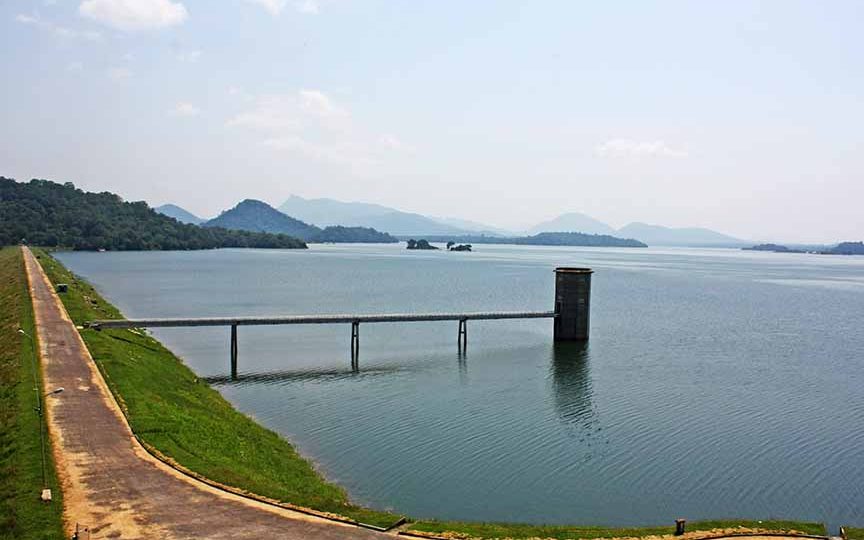
The largest reservoir in Sri Lanka, it is a vital irrigation source and a scenic landscape for nature and photography.
Buddangala Monastery
A serene forest monastery ideal for meditation, spiritual retreats, and Buddhist practice.
Deegavapiya Stupa
One of the most sacred Buddhist sites in Sri Lanka, believed to have been visited by Lord Buddha during his island journeys.
Nature and Wildlife in Ampara
National Parks and Biodiversity
Ampara is home to some of Sri Lanka’s most important wildlife habitats, including elephants, leopards, deer, crocodiles, and countless bird species.
Wetlands and Reservoir Ecosystems
The district’s vast irrigation systems support agriculture and create rich ecosystems for wildlife.
Coastal and Inland Diversity
Ampara offers both inland forests and eastern coastal stretches, making it one of the most ecologically diverse regions in Sri Lanka.
Culture and Heritage of Ampara
Multicultural Identity
Ampara is home to Sinhalese, Tamil, and Muslim communities living together in harmony, creating a rich cultural mosaic.
Ancient Buddhist Heritage
The region contains several ancient stupas and ruins that highlight its historical significance in early Sri Lankan civilization.
Religious Diversity
Temples, kovils, mosques, and shrines coexist throughout the district, reflecting strong interfaith harmony.
Festivals and Celebrations
Major cultural events include:
-
Sinhala and Tamil New Year
-
Vesak Festival
-
Deepavali
-
Ramadan and Eid celebrations
-
Local harvest festivals
Agriculture and Economy of Ampara
Sri Lanka’s Agricultural Powerhouse
Ampara is one of the country’s most productive agricultural regions, especially known for rice cultivation.
Key Agricultural Products
-
Rice (paddy farming)
-
Vegetables
-
Fruits
-
Maize
-
Livestock farming
Irrigation Systems
Large reservoirs and canals support year-round farming and rural livelihoods.
Fisheries and Coastal Economy
Coastal areas contribute to fishing, aquaculture, and seafood trade.
Business and Investment Opportunities in Ampara
Ampara is an emerging region with strong long-term investment potential.
Agriculture and Agri-Business
Opportunities include:
-
Large-scale farming
-
Food processing industries
-
Agricultural exports
Eco-Tourism Development
Potential includes:
-
Safari lodges
-
Nature resorts
-
Birdwatching tours
-
Adventure tourism services
Renewable Energy and Infrastructure
Vast open land areas support future development in solar energy and infrastructure projects.
Fisheries and Coastal Development
Coastal zones offer opportunities for:
-
Fish processing
-
Export industries
-
Sustainable aquaculture
Lifestyle in Ampara
Cost of Living
Ampara offers a low-cost, rural lifestyle with access to essential services.
Education
The region has schools, technical colleges, and agricultural training institutes.
Healthcare
Government hospitals and clinics provide essential healthcare services.
Transportation
Ampara is connected via:
-
Eastern railway line
-
National highway networks
-
Regional bus services
-
Access to Batticaloa and Colombo routes
Community and Safety
The district is known for peaceful communities and strong rural traditions.
Climate and Best Time to Visit
Ampara experiences a tropical dry-zone climate.
The best time to visit is:
-
May to September (ideal for wildlife and safari experiences)
-
Early mornings and evenings for national park visits
Why Ampara Stands Out
Ampara is unique because it combines:
-
Rich biodiversity and wildlife safaris
-
Vast agricultural landscapes
-
Ancient Buddhist heritage sites
-
Multicultural harmony
-
Untouched eco-tourism potential
-
Strategic development opportunities
It remains one of Sri Lanka’s most promising yet underrated regions.
Conclusion
Ampara is more than a district—it is a living example of Sri Lanka’s natural abundance, cultural diversity, and rural strength. From elephant-filled national parks and sacred stupas to vast rice fields and peaceful villages, Ampara offers an authentic and enriching experience.
For travelers, investors, and nature lovers, Ampara represents a hidden frontier where wildlife, agriculture, and heritage come together in perfect balance.