When Does a Damaged Tooth Need a Dental Crown?
A damaged tooth does not always need to be removed. In many situations, a dentist may be able to restore the tooth and help it continue functioning as part of your natural smile. Dental crowns are one of the restorative options used when a tooth has lost enough structure that a simple filling may not provide the support or coverage needed.
A crown is essentially a custom-made cap that covers the tooth. It can help restore a tooth that has been weakened by decay, a large filling, a fracture, significant wear or certain dental procedures. Crowns can also improve the appearance of a tooth, but their primary role is often restoration and protection, rather than simply making a healthy tooth look different.
That distinction is important. Cosmetic dentistry focuses primarily on appearance, while restorative dentistry is concerned with repairing damaged teeth and improving oral function. Some treatments, including crowns, can provide both functional and aesthetic benefits.
What Is a Dental Crown?
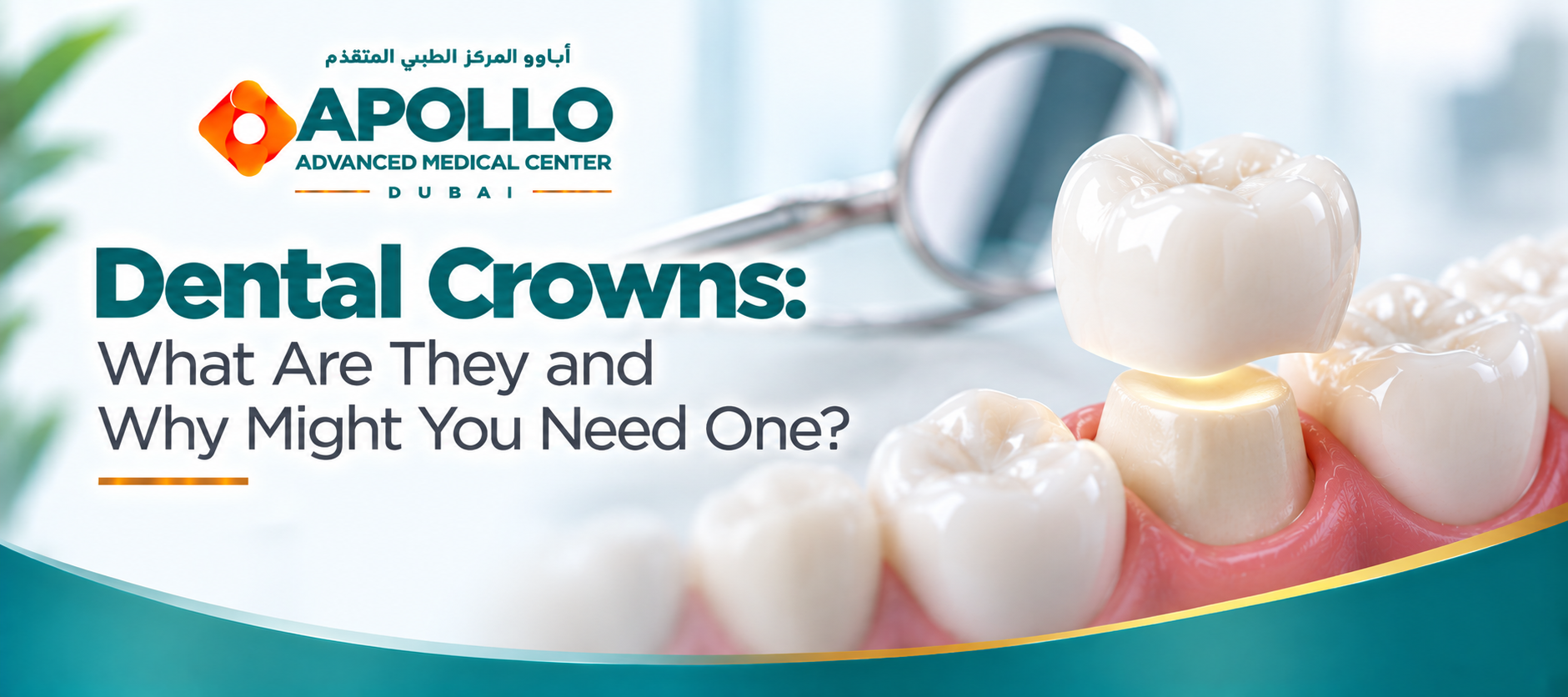
A dental crown is a tooth-shaped restoration designed to fit over a prepared tooth. It covers the visible portion of the tooth and is permanently fixed in place.
Crowns may be made from different materials, including:
- Ceramic
- Porcelain-based materials
- Metal alloys
- Porcelain fused to metal
- Other dental restorative materials
The material selected depends on factors such as the location of the tooth, the amount of force it experiences during chewing, appearance, available tooth structure and the patient's individual circumstances and ceramic materials are widely used for indirect restorations, including crowns, with different ceramic types having different mechanical properties and clinical indications.
A crown is sometimes called a “cap.” The two terms generally refer to the same type of restoration.
Why Might a Tooth Need a Crown?
A dentist may consider a crown when a tooth has been significantly weakened or damaged and needs more coverage than a conventional filling can provide.
1. A tooth has extensive decay
Tooth decay can remove a considerable amount of natural tooth structure. If the remaining tooth is weakened, a crown may be considered after the decay has been treated.
Not every cavity requires a crown. Smaller areas of decay may often be restored with a filling or another conservative restoration. The appropriate treatment depends on how much tooth structure remains and the overall condition of the tooth.
2. A tooth is cracked or broken
A fractured tooth can lose structural strength and may require restoration.
Depending on the location and severity of the damage, treatment might involve a filling, bonding, an onlay, a crown or another approach. A severely damaged tooth may require additional treatment before it can be restored.
If a tooth has been badly broken, prompt dental assessment is important.
3. A large filling has weakened the tooth
A tooth that has undergone extensive restoration may have less remaining natural structure.
In some cases, a crown can provide coverage around the remaining tooth and help restore its function. A tooth can become weakened by a large filling or cavity and that this is one reason a crown may be considered.
4. A tooth has experienced significant wear
Teeth can gradually become worn down for different reasons.
Where substantial tooth structure has been lost, a dentist may consider a restorative treatment to rebuild the tooth. The exact treatment depends on the extent and cause of the wear.
5. A tooth has undergone root canal treatment
A tooth that has received root canal treatment may subsequently require a restoration that provides appropriate coverage and support, depending on how much tooth structure remains.
Crowns are commonly used as restorations for root canal-treated teeth, although the decision should be made after assessing the individual tooth.
Dental Crown vs Filling: What Is the Difference?
One common misconception is that a crown is simply a larger filling.
They are different types of restoration.
A filling generally repairs a specific area of a tooth where decay or damage has removed some tooth structure.
A crown, on the other hand, covers the tooth more extensively and is generally considered when greater structural restoration or protection is needed.
The decision is not based simply on the size of a cavity. A dentist may consider:
- How much healthy tooth remains
- The location of the damage
- Whether the tooth is cracked
- Previous restorations
- Bite forces
- Overall oral health
- Whether the tooth has had root canal treatment
- The long-term restorative needs of the tooth
A less extensive restoration may be preferable when it can adequately restore the tooth, because crown preparation requires removal of some natural tooth structure.
Dental Crown vs Veneer: Restoring a Tooth or Improving Appearance?
This distinction is especially important when discussing crowns and veneers.
A dental crown covers the tooth and is generally used for restorative purposes when a tooth is damaged, weakened, decayed or otherwise requires substantial coverage.
A veneer is a thin covering that is usually bonded to the front surface of a tooth. Veneers are primarily associated with cosmetic changes such as altering the appearance of discoloration, minor shape concerns or certain chips.
In simple terms:
Crowns:
Primarily used to restore and protect a compromised tooth, while also potentially improving its appearance.
Veneers:
Primarily used to alter the appearance of the visible front surface of a tooth.
This does not mean every damaged-looking tooth needs a crown, or that every cosmetic concern requires a veneer. The appropriate option depends on the actual condition of the tooth.
Using a crown simply because it can change appearance may not be appropriate if a more conservative option can adequately address the concern.
What Happens During a Dental Crown Procedure?
The exact process varies depending on the tooth and treatment plan, but traditional crown placement generally involves several stages.
1. Examination and treatment planning
The dentist first evaluates the tooth and surrounding oral structures.
The assessment may determine:
- How much healthy tooth remains
- Whether decay is present
- Whether the tooth is cracked
- Whether the nerve or pulp requires treatment
- Whether the tooth can be predictably restored
- What type of restoration may be appropriate
If the tooth is not suitable for a crown, another treatment may be recommended.
2. Preparing the tooth
To create space for the crown and establish an appropriate shape, some natural tooth structure is removed.
The amount depends on the type of crown and the tooth being treated.
If insufficient tooth structure remains, a dentist may sometimes need to rebuild part of the tooth before the crown is placed. A core buildup as a procedure used when additional tooth strength and retention are needed before a restorative crown.
3. Taking impressions
An impression or digital scan is used to help create a crown that fits the prepared tooth and works with the surrounding teeth.
The crown also needs to fit appropriately within the patient's bite.
4. Temporary protection
When the final crown is being prepared, a temporary crown may be placed depending on the treatment approach.
5. Fitting the permanent crown
When the final restoration is ready, the dentist checks its fit, shape, colour and relationship with the surrounding teeth before permanently cementing or bonding it in place.
What Are the Benefits of a Dental Crown?
When appropriately indicated, a crown can help restore a tooth that has lost significant structure.
Potential benefits include:
Restoring function
A damaged or weakened tooth may not function normally. A properly fitted restoration can help restore chewing function.
Providing coverage
A crown covers a large portion of the tooth, which can be useful when substantial tooth structure has been lost.
Improving appearance
Modern tooth-coloured crown materials can be designed to blend with surrounding teeth. This can be particularly relevant when restoring visible teeth.
Supporting a previously treated tooth
Crowns may be used after certain treatments, including root canal treatment, when appropriate.
However, a crown is not an indestructible replacement for natural tooth structure. It still requires regular dental care and monitoring.
Are There Risks or Disadvantages?
Like other dental restorations, crowns have advantages and limitations.
One important consideration is that some natural tooth structure must usually be removed to prepare the tooth for a conventional crown.
Other possible issues include:
- Temporary sensitivity
- Gum tenderness after treatment
- Chipping or fracture of the crown
- Loosening of the crown
- Problems related to an inadequate fit
- Decay developing around a restoration if oral hygiene is poor
- The need for eventual replacement
A crown therefore should not be viewed as a permanent guarantee that a tooth will never need further treatment.
Common Mistakes People Make About Dental Crowns
“A crown is only for cosmetic purposes.”
Not usually. Crowns are primarily restorative treatments used for damaged, weakened, broken or heavily restored teeth, although they can also improve appearance.
“If my tooth is discoloured, I automatically need a crown.”
Discoloration alone does not necessarily mean a crown is appropriate. Depending on the cause, other options may include professional whitening, a veneer or another conservative approach.
“A crown means the tooth is no longer a natural tooth.”
The underlying tooth remains. The crown is a restoration placed over the prepared natural tooth.
“Once I have a crown, I don't need to worry about that tooth anymore.”
A crowned tooth still needs regular brushing, cleaning between teeth and dental examinations. The surrounding gum and tooth structure remain important.
“A crown is always better than a filling.”
Not necessarily. The goal of restorative dentistry is to select a treatment appropriate to the condition of the tooth. If a less extensive restoration can adequately address the problem, a crown may not be necessary.
How Can You Look After a Dental Crown?
A crowned tooth should be cared for much like the rest of your teeth.
Practical steps include:
- Brush twice daily with fluoride toothpaste.
- Clean between your teeth every day.
- Attend recommended dental examinations.
- Avoid using your teeth to open packaging or bite inappropriate hard objects.
- Tell your dentist if a crown feels loose, chipped or uncomfortable.
- Seek professional advice if persistent sensitivity or pain develops.
Good oral hygiene is important because a crown does not eliminate the possibility of problems developing around the restored tooth.
When Should You See a Dentist About a Possible Crown?
You do not need to decide yourself whether a crown is necessary.
Consider arranging a dental assessment if you have:
- A broken or significantly chipped tooth
- A tooth with a large existing filling
- Persistent sensitivity
- A tooth that has become noticeably worn
- A cracked tooth
- A heavily damaged or decayed tooth
- A previously treated tooth that has developed new problems
- A crown that feels loose or damaged
A dental examination allows the clinician to determine whether a crown is appropriate or whether another restoration may be more suitable.
If you experience significant swelling, severe dental pain, trauma or difficulty swallowing or breathing, seek prompt professional dental or emergency medical care rather than waiting for a routine appointment.
A dental crown is more than a cosmetic cover. It is a restorative dental treatment designed to cover and rebuild a tooth that has lost significant structure or strength.
Crowns may be considered for teeth affected by extensive decay, fractures, large restorations, significant wear or certain root canal-treated teeth. But having a damaged-looking tooth does not automatically mean a crown is the right solution.
The key question is not simply, “Will a crown make this tooth look better?” It is “What does this tooth need to restore its structure, function and long-term oral health?”
Sometimes the answer is a crown. In other situations, a filling, inlay, onlay, veneer or another treatment may be more appropriate.
A professional examination is therefore the best starting point before deciding on any restorative or cosmetic dental procedure.
If you have a broken, weakened, heavily restored or significantly damaged tooth, a professional dental assessment can help determine whether a crown or another restorative option is appropriate.
Apollo Advanced Medical Center offers dental care in Al Rigga, Union, Dubai, including crowns and veneers.