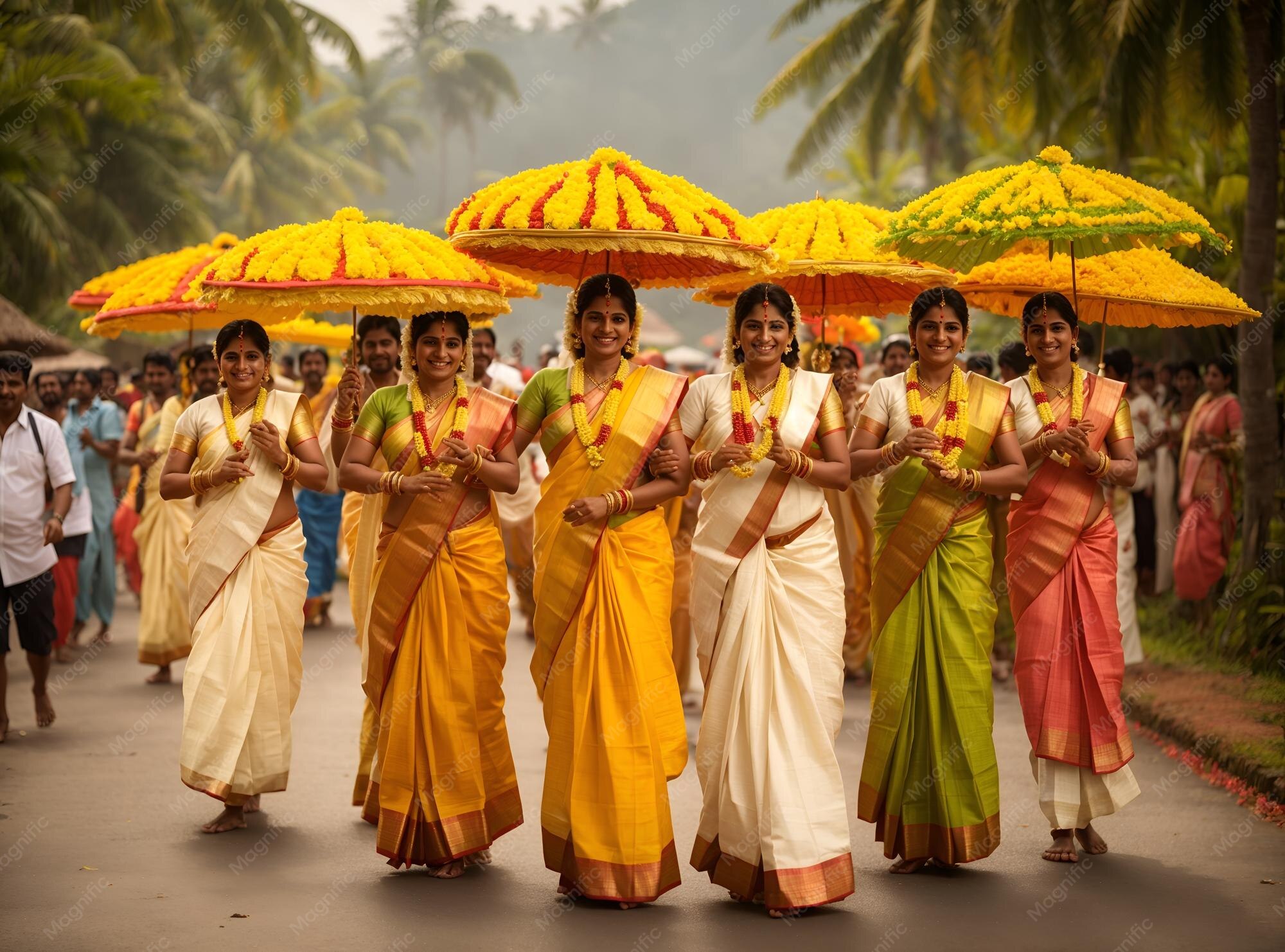
Thiruvananthapuram stands as one of South India’s most important cultural centers, where centuries-old traditions continue to thrive alongside modern urban development. The city’s identity is deeply rooted in Kerala’s heritage, yet it constantly evolves through education, technology, and contemporary artistic expression.
Thiruvananthapuram as a Cultural Center of Kerala
A Strong Foundation in Tradition
Thiruvananthapuram has long been a guardian of Kerala’s classical traditions. The city preserves and promotes art forms such as Kathakali, Mohiniyattam, and Koodiyattam, which are not just performances but storytelling traditions passed down through generations. These art forms are regularly staged in cultural institutions, temples, and festivals, keeping the heritage alive in everyday life.
Temples as Cultural Anchors
Temples play a central role in shaping the city’s cultural identity. The iconic Sree Padmanabhaswamy Temple is not only a spiritual landmark but also a symbol of Kerala’s architectural excellence and historical depth. Temple festivals, processions, and rituals create a strong sense of community and continuity with the past.
Festivals that Unite Communities
The cultural calendar of Thiruvananthapuram is filled with vibrant festivals that bring people together. One of the most famous is Attukal Pongala, where millions of women gather to offer prayers in a powerful display of devotion and unity. Onam, Vishu, and Navaratri are also celebrated widely, blending religious rituals with music, dance, and traditional feasts.
A Hub of Arts, Education, and Literature
The city has a strong intellectual and artistic environment supported by institutions, libraries, and cultural academies. It nurtures writers, scholars, and performers who contribute to Malayalam literature and performing arts. This academic and cultural ecosystem ensures that traditional knowledge coexists with modern creativity.
Modern Growth and Contemporary Culture
While deeply traditional, Thiruvananthapuram is also a growing center of technology and education. The presence of IT hubs like Technopark has introduced a modern, globalized workforce to the city, influencing lifestyle, arts, and cultural exchange. This blend of old and new creates a dynamic urban culture that is both rooted and progressive.
Cinema and Performing Arts
Malayalam cinema and theatre also play a significant role in shaping the city’s cultural identity. Thiruvananthapuram has produced many influential filmmakers and artists, contributing to Kerala’s reputation for meaningful, realistic storytelling in Indian cinema.
Conclusion
Thiruvananthapuram successfully balances heritage and progress. It preserves its centuries-old traditions through temples, festivals, and classical arts, while embracing modern development in education, technology, and urban life. This harmony makes it not only the capital of Kerala but also one of India’s most culturally rich and evolving cities.