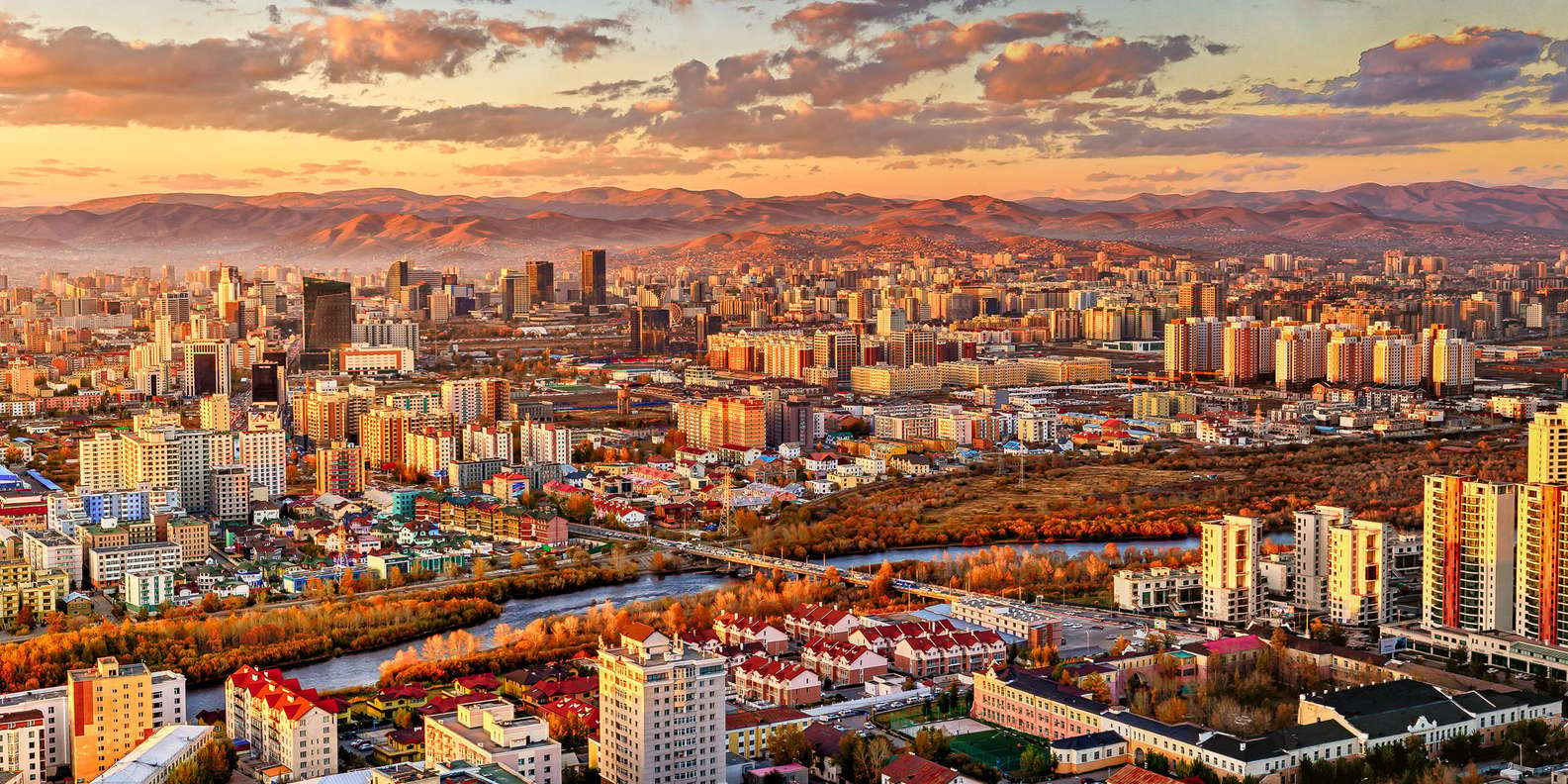
Ulaanbaatar, Mongolia: The Gateway to the Great Steppes and a City of Modern Growth
Ulaanbaatar, the capital and largest city of Mongolia, is the country's political, economic, cultural, and educational center. Nestled in the Tuul River Valley and surrounded by scenic mountains, Ulaanbaatar serves as the gateway to Mongolia's vast grasslands, deserts, and rugged landscapes.
Home to nearly half of Mongolia's population, the city is a fascinating blend of ancient nomadic traditions and modern urban development. Visitors can explore centuries-old Buddhist monasteries, world-class museums, vibrant markets, contemporary shopping centers, and dynamic business districts, all while experiencing the legendary hospitality of the Mongolian people.
As Mongolia continues to strengthen its mining sector, digital economy, renewable energy, tourism, and international trade, Ulaanbaatar has become an increasingly attractive destination for travelers, entrepreneurs, students, and investors.
Overview of Ulaanbaatar
Ulaanbaatar is Mongolia's political, commercial, and cultural heart.
Quick Facts
-
Country: Mongolia
-
Capital: Ulaanbaatar
-
Population: Approximately 1.7 million
-
Time Zone: Ulaanbaatar Time (ULAT)
-
Official Language: Mongolian
-
Widely Spoken Languages: English, Russian, Chinese, and Korean in business and tourism sectors
-
Currency: Mongolian Tögrög (MNT)
-
Climate: Cold semi-arid climate with long, cold winters and warm summers
-
Major Industries: Mining, Finance, Information Technology, Tourism, Construction, Education, Agriculture, Manufacturing, Renewable Energy, Logistics
History and Cultural Heritage
Founded in 1639 as a Buddhist monastic center, Ulaanbaatar has evolved from a mobile monastery into Mongolia's modern capital. Throughout its history, the city has played a central role in the country's religious, political, and cultural development.
Mongolia's rich heritage is deeply connected to the legacy of Genghis Khan (Chinggis Khaan), whose empire became one of the largest in world history. Today, Ulaanbaatar celebrates this legacy through museums, monuments, cultural festivals, and historical sites while embracing modernization and global connectivity.
A Rich and Diverse Culture
Ulaanbaatar reflects Mongolia's unique nomadic traditions and cultural identity.
The city's cultural highlights include:
-
Mongolian nomadic heritage
-
Tibetan Buddhist traditions
-
Traditional throat singing (Khoomei)
-
Horse culture
-
Eagle hunting traditions
-
Folk music and dance
-
Museums
-
Handcrafted textiles
-
Cashmere products
-
National festivals
Visitors experience a culture that values hospitality, resilience, and a close relationship with nature.
Famous Tourist Attractions
1. Genghis Khan Statue Complex
Located just outside the city, this towering stainless-steel statue of Genghis Khan is one of Mongolia's most iconic landmarks and offers panoramic views from its observation deck.
2. Gandantegchinlen Monastery
The largest and most important Buddhist monastery in Mongolia, featuring impressive temples, a giant Avalokiteshvara statue, and daily religious ceremonies.
3. Sukhbaatar Square (Chinggis Khaan Square)
The central public square of Ulaanbaatar, surrounded by government buildings, cultural institutions, and monuments.
4. National Museum of Mongolia
A comprehensive museum showcasing Mongolia's history, archaeology, nomadic culture, traditional clothing, and the Mongol Empire.
5. Bogd Khan Palace Museum
The former winter residence of Mongolia's last king and spiritual leader, displaying royal artifacts, artwork, and historical treasures.
6. Zaisan Memorial
A hilltop monument offering panoramic views of the city and surrounding mountains.
7. Choijin Lama Temple Museum
A beautifully preserved Buddhist temple complex featuring ancient murals, sculptures, and religious artifacts.
8. Gorkhi-Terelj National Park
One of Mongolia's most famous national parks, located near the city and offering stunning landscapes, hiking trails, horseback riding, and traditional ger camps.
9. Winter Palace of Bogd Khan
A historic palace featuring valuable collections of Mongolian royal history and culture.
10. Narantuul Market (Black Market)
The city's largest open-air market, famous for traditional clothing, leather goods, cashmere, handicrafts, and local products.
Natural Beauty and Outdoor Activities
Ulaanbaatar is surrounded by spectacular natural landscapes.
Popular outdoor activities include:
-
Horseback riding
-
Hiking
-
Camping
-
Wildlife photography
-
Mountain biking
-
Birdwatching
-
Cultural tours
-
National park excursions
-
Winter sports
-
Stargazing
Nearby attractions include:
-
Gorkhi-Terelj National Park
-
Hustai National Park
-
Bogd Khan Mountain
-
Khustain Nuruu National Park
-
Tuul River Valley
-
Semi-Gobi region
Food and Culinary Scene
Ulaanbaatar offers authentic Mongolian cuisine alongside international dining options.
Popular local dishes include:
-
Buuz (Steamed Dumplings)
-
Khuushuur (Fried Meat Pastries)
-
Tsuivan (Stir-Fried Noodles)
-
Khorkhog (Stone-Cooked Lamb)
-
Boodog
-
Airag (Fermented Mare's Milk)
-
Mongolian Barbecue
-
Dairy Products
-
Yak Meat Specialties
-
Traditional Milk Tea (Suutei Tsai)
The city also offers Korean, Chinese, Japanese, Russian, European, Indian, and international cuisine.
Economy and Business Environment
Ulaanbaatar is Mongolia's largest financial and commercial center.
Major industries include:
-
Mining
-
Finance
-
Construction
-
Tourism
-
Information Technology
-
Renewable Energy
-
Agriculture
-
Manufacturing
-
Logistics
-
Education
The city is home to the headquarters of Mongolia's largest companies, banks, and government institutions.
Business Opportunities in Ulaanbaatar
Ulaanbaatar offers promising investment opportunities across several sectors.
Mining and Natural Resources
Mongolia is rich in natural resources.
Business opportunities include:
-
Copper mining
-
Gold mining
-
Coal production
-
Rare earth minerals
-
Mining technology
-
Engineering services
Renewable Energy
Investment opportunities include:
-
Wind energy
-
Solar energy
-
Energy storage
-
Green infrastructure
-
Environmental consulting
Information Technology
The growing digital economy supports:
-
Artificial Intelligence (AI)
-
Software Development
-
FinTech
-
Cybersecurity
-
E-commerce
-
Digital Services
Tourism and Hospitality
Business opportunities include:
-
Hotels
-
Eco-tourism
-
Adventure tourism
-
Cultural tourism
-
Travel agencies
-
Luxury camps (Ger resorts)
Agriculture and Livestock
Mongolia's livestock industry creates opportunities in:
-
Meat processing
-
Dairy production
-
Cashmere manufacturing
-
Wool processing
-
Organic farming
Infrastructure and Construction
Urban development supports investment in:
-
Residential housing
-
Commercial buildings
-
Transportation
-
Smart cities
-
Sustainable construction
Education
Ulaanbaatar is Mongolia's leading educational center.
Major institutions include:
-
National University of Mongolia
-
Mongolian University of Science and Technology
-
Mongolian National University of Medical Sciences
-
University of Finance and Economics
-
International University of Ulaanbaatar
These institutions are recognized for engineering, business, medicine, science, and research.
Transportation
Ulaanbaatar has Mongolia's most developed transportation network.
Transportation includes:
-
Chinggis Khaan International Airport
-
Railway connections to China and Russia
-
Public buses
-
Taxis
-
Ride-hailing services
-
National highways
Ongoing infrastructure projects aim to improve urban mobility and regional connectivity.
Shopping Destinations
Popular shopping destinations include:
-
State Department Store
-
Shangri-La Mall
-
Naran Mall
-
Narantuul Market
-
Galleria Ulaanbaatar
-
Cashmere boutiques
Visitors can purchase premium Mongolian cashmere, leather products, wool garments, jewelry, traditional crafts, artwork, and souvenirs.
Annual Festivals and Events
Ulaanbaatar hosts many cultural and national celebrations throughout the year, including:
-
Naadam Festival
-
Lunar New Year (Tsagaan Sar)
-
Ulaanbaatar International Film Festival
-
Ice Festival
-
Eagle Festival
-
Cultural heritage exhibitions
-
Music festivals
-
Business expos
These events celebrate Mongolia's rich traditions and growing international engagement.
Living in Ulaanbaatar
Ulaanbaatar offers a unique blend of modern city life and traditional nomadic culture.
Residents enjoy:
-
Expanding healthcare services
-
Quality educational institutions
-
Modern shopping centers
-
Rich cultural experiences
-
Outdoor recreation
-
Friendly communities
-
Growing employment opportunities
-
Access to stunning natural landscapes
The city continues to invest in sustainable development and improved urban infrastructure.
Why Visit Ulaanbaatar?
Ulaanbaatar offers unforgettable experiences for every visitor.
-
History enthusiasts can explore museums, monasteries, and the legacy of Genghis Khan.
-
Nature lovers can discover Mongolia's vast steppes, mountains, and national parks.
-
Entrepreneurs can explore opportunities in mining, renewable energy, tourism, and technology.
-
Students can study at Mongolia's leading universities.
-
Adventure travelers can enjoy horseback riding, hiking, camping, and cultural experiences.
-
Shoppers can purchase world-famous Mongolian cashmere and handcrafted goods.
Future Growth and Emerging Opportunities
Ulaanbaatar continues to strengthen its position as Mongolia's economic and innovation hub.
Emerging industries include:
-
Artificial Intelligence
-
Renewable Energy
-
Green Mining
-
Financial Technology (FinTech)
-
Smart Cities
-
Logistics
-
Biotechnology
-
Sustainable Agriculture
-
Digital Services
-
Healthcare Technology
-
Eco-Tourism
-
Green Construction
Supported by strategic investment, abundant natural resources, and expanding regional trade, Ulaanbaatar is well-positioned for long-term economic growth and sustainable development.
Conclusion
Ulaanbaatar is much more than Mongolia's capital—it is a city where ancient nomadic traditions, Buddhist heritage, and modern development come together. From the peaceful Gandantegchinlen Monastery and the National Museum of Mongolia to the breathtaking landscapes of Gorkhi-Terelj National Park, Ulaanbaatar offers extraordinary experiences for travelers, entrepreneurs, students, and investors.
Whether you're exploring the legacy of Genghis Khan, investing in Mongolia's emerging industries, pursuing higher education, or discovering the beauty of the Mongolian steppe, Ulaanbaatar welcomes you with rich traditions, warm hospitality, and exciting opportunities.
#Ulaanbaatar #Mongolia #VisitMongolia #VisitUlaanbaatar #TravelGuide #GenghisKhan #NaadamFestival #BusinessOpportunities #Investment #Mining #RenewableEnergy #ArtificialIntelligence #InformationTechnology #Tourism #Education #Healthcare #Cashmere #EcoTourism #Entrepreneurship #NomadicCulture #SmartCity #SustainableDevelopment #ExploreMongolia #BusinessGrowth #CentralAsia #AsianTravel #EconomicDevelopment #UlaanbaatarCity #AdventureTravel #GreenEnergy #lowkot