Abuja, Nigeria: The Modern Capital of Africa, Business, Culture, and Opportunity
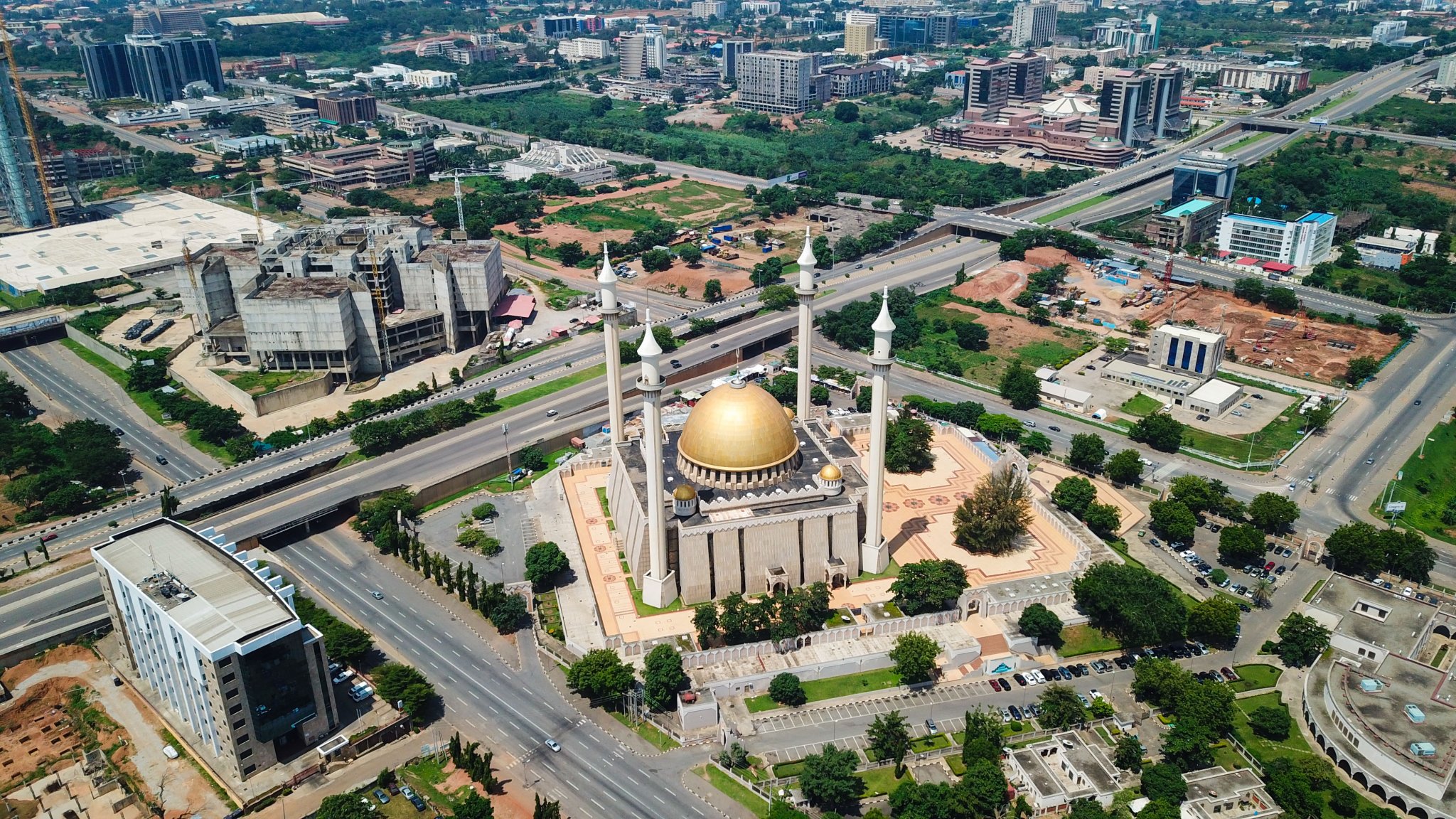
Abuja is the capital city of Nigeria and one of West Africa's most important political and administrative centres. Located near the geographic centre of the country, Abuja is known for its planned urban development, modern government institutions, distinctive architecture, green spaces, and rapidly expanding business environment.
Abuja officially became Nigeria's capital in 1991, replacing Lagos. The decision was made partly because of Abuja's central geographical position and its potential to serve as a more neutral political centre for Nigeria's diverse population.
Today, Abuja is home to the country's federal government, diplomatic missions, international organisations, businesses, universities, hotels, shopping centres, and growing technology and entrepreneurial communities.
Overview of Abuja
Quick Facts
-
Country: Nigeria
-
Capital: Abuja
-
Federal Territory: Federal Capital Territory (FCT)
-
Region: West Africa
-
Population: More than 3 million in the wider metropolitan area
-
Time Zone: West Africa Time (WAT, UTC+1)
-
Official Language: English
-
Currency: Nigerian Naira (NGN)
-
Climate: Tropical wet and dry climate
-
Major Sectors: Government, Real Estate, Construction, Financial Services, Telecommunications, Technology, Agriculture, Tourism, Education, Healthcare, Retail
History of Abuja
Before Abuja became Nigeria's capital, the area was home to several indigenous communities, including Gbagyi, Bassa, Gade, and other groups.
The decision to create a new capital was announced in 1976. Abuja was selected because of its central location, relatively low population density at the time, and potential for planned urban development.
Construction of the new capital accelerated during the following decades.
In 1991, Abuja officially replaced Lagos as Nigeria's capital.
Since then, the city has transformed into a major political and diplomatic centre and one of Nigeria's fastest-growing urban areas.
A Rich and Diverse Culture
Abuja represents Nigeria's extraordinary cultural diversity.
People from different parts of Nigeria live and work in the city, bringing together traditions from:
-
Hausa communities
-
Yoruba communities
-
Igbo communities
-
Gbagyi communities
-
Tiv communities
-
Fulani communities
-
Southern Nigerian communities
-
Numerous other ethnic groups
This diversity can be experienced through music, fashion, food, festivals, art, religious celebrations, and traditional crafts.
Famous Tourist Attractions
1. Aso Rock
Aso Rock is one of Abuja's most recognizable natural landmarks. The massive granite formation dominates the city's landscape and is closely associated with Nigeria's political identity.
2. Nigerian National Mosque
One of Abuja's most distinctive landmarks, the National Mosque is known for its impressive golden dome and minarets.
3. National Christian Centre
The National Christian Centre is an important religious and architectural landmark located near the heart of Abuja.
4. Millennium Park
One of Abuja's largest public parks, Millennium Park provides green spaces for recreation, walking, relaxation, and outdoor activities.
5. Zuma Rock
Located outside Abuja, Zuma Rock is one of Nigeria's most famous natural landmarks. The enormous granite formation is sometimes described as the "Gateway to Abuja."
6. National Assembly Complex
The National Assembly is an important symbol of Nigeria's democratic institutions and federal government.
7. Nigerian National Museum, Abuja
The museum provides visitors with an opportunity to explore Nigerian history, archaeology, art, traditional crafts, and cultural heritage.
8. Arts and Crafts Village
A popular destination for traditional Nigerian handicrafts, including sculptures, fabrics, jewellery, paintings, woodwork, and souvenirs.
9. Jabi Lake
Jabi Lake is a popular recreational destination offering restaurants, shopping, waterfront activities, and opportunities to relax around the lake.
10. Gurara Falls
Located outside Abuja in neighbouring Niger State, Gurara Falls is a scenic natural attraction and popular destination for day trips.
Natural Beauty and Outdoor Activities
Abuja is surrounded by hills, rock formations, savannah landscapes, and green areas.
Popular activities include:
-
Hiking
-
Nature walks
-
Rock climbing
-
Cycling
-
Photography
-
Picnics
-
Bird watching
-
Cultural tours
-
Outdoor recreation
Important natural attractions include:
-
Aso Rock
-
Zuma Rock
-
Usuma Lower Dam
-
Jabi Lake
-
Gurara Falls
-
Millennium Park
Food and Culinary Scene
Abuja offers an extraordinary range of Nigerian and international cuisine.
Popular Nigerian dishes include:
-
Jollof rice
-
Suya
-
Pounded yam
-
Egusi soup
-
Afang soup
-
Pepper soup
-
Moi moi
-
Fried plantain
-
Grilled fish
-
Nigerian-style rice dishes
The city also offers Lebanese, Indian, Chinese, Italian, Turkish, Ethiopian, and other international cuisines.
Economy and Business Environment
Abuja is one of Nigeria's most important business centres, although Lagos remains the country's principal commercial and financial hub.
Abuja's economy is strongly influenced by:
-
Federal Government
-
Diplomacy
-
Real Estate
-
Construction
-
Financial Services
-
Telecommunications
-
Technology
-
Hospitality
-
Healthcare
-
Education
-
Retail
-
Professional Services
The presence of ministries, embassies, international organisations, NGOs, development agencies, and major companies makes Abuja an important centre for national and international business.
Business Opportunities in Abuja
1. Real Estate and Construction
Abuja's expanding population and administrative importance create demand for:
-
Residential developments
-
Commercial buildings
-
Office spaces
-
Hotels
-
Serviced apartments
-
Construction materials
-
Property management
-
Smart-city infrastructure
2. Information Technology
Nigeria has one of Africa's largest technology ecosystems, creating opportunities in Abuja for:
-
Artificial Intelligence
-
Software development
-
Cybersecurity
-
FinTech
-
Cloud computing
-
E-commerce
-
Digital payments
-
Data services
-
Business Process Outsourcing
3. Agriculture and Agribusiness
The Federal Capital Territory and surrounding regions offer opportunities in:
-
Commercial farming
-
Food processing
-
Poultry
-
Livestock
-
Irrigation
-
Cold-chain logistics
-
Agritech
-
Food distribution
4. Renewable Energy
Energy demand creates opportunities in:
-
Solar power
-
Battery storage
-
Mini-grids
-
Energy-efficient buildings
-
Clean cooking technology
-
Solar water systems
-
Waste-to-energy
5. Healthcare
Abuja's growing population creates opportunities in:
-
Private hospitals
-
Diagnostic centres
-
Medical equipment
-
Pharmaceuticals
-
Telemedicine
-
Digital healthcare
-
Specialist healthcare services
6. Tourism and Hospitality
As a major diplomatic and government centre, Abuja has strong potential for:
-
Hotels
-
Restaurants
-
Conference facilities
-
Business tourism
-
Cultural tourism
-
Event management
-
Tour operators
-
Eco-tourism
Education
Abuja has become an important educational centre.
Major institutions include:
-
University of Abuja
-
Nigerian Law School
-
African University of Science and Technology
-
Baze University
-
Nile University of Nigeria
-
Numerous private and vocational institutions
Important fields include:
-
Engineering
-
Medicine
-
Business
-
Law
-
Economics
-
Information Technology
-
International Relations
-
Public Administration
-
Agriculture
Transportation
Abuja is an important transportation hub connecting Nigeria's northern, southern, and central regions.
Transportation options include:
-
Nnamdi Azikiwe International Airport
-
Highways
-
Urban buses
-
Taxis
-
Ride-hailing services
-
Intercity buses
-
Rail services
The Abuja–Kaduna railway has also strengthened connections between the capital and northern Nigeria.
Shopping and Commercial Areas
Abuja offers a growing retail environment.
Popular commercial destinations include:
-
Jabi Lake Mall
-
Abuja City Centre
-
Wuse Market
-
Garki Market
-
Arts and Crafts Village
-
Modern shopping centres
-
Local markets
Visitors can purchase:
-
Nigerian fabrics
-
Traditional clothing
-
Jewellery
-
Artwork
-
Wood carvings
-
Handmade crafts
-
Local food products
-
Fashion products
Cultural Events and Festivals
Abuja hosts numerous national and international events throughout the year.
These include:
-
Abuja Carnival
-
Cultural festivals
-
Music concerts
-
Film events
-
Art exhibitions
-
Trade fairs
-
Technology conferences
-
Business summits
-
Diplomatic events
-
Sporting competitions
As Nigeria's political capital, Abuja also hosts major national celebrations and international diplomatic gatherings.
Living in Abuja
Abuja is generally regarded as one of Nigeria's most planned urban environments.
Residents can enjoy:
-
Modern residential neighbourhoods
-
Shopping centres
-
Restaurants and cafés
-
International hotels
-
Educational institutions
-
Healthcare facilities
-
Parks and recreational spaces
-
Diplomatic communities
-
Growing technology and entrepreneurial networks
Important districts include:
-
Central Business District
-
Wuse
-
Garki
-
Maitama
-
Asokoro
-
Jabi
-
Gwarinpa
-
Kubwa
-
Guzape
Why Visit Abuja?
Abuja offers experiences for many types of visitors.
-
Business travellers can explore Nigeria's government, technology, real estate, and professional services sectors.
-
Culture enthusiasts can discover Nigerian art, crafts, food, music, and traditions.
-
Nature lovers can explore Aso Rock, Zuma Rock, parks, lakes, and surrounding landscapes.
-
Diplomats and international visitors can experience Nigeria's political and administrative centre.
-
Entrepreneurs can connect with one of Africa's largest consumer markets and technology ecosystems.
Future Growth and Emerging Opportunities
Abuja has significant potential for continued economic and urban development.
Emerging sectors include:
-
Artificial Intelligence
-
FinTech
-
Renewable Energy
-
Smart Cities
-
Digital Government
-
Healthcare Technology
-
Educational Technology
-
Agritech
-
E-commerce
-
Green Construction
-
Logistics Technology
-
Creative Industries
Nigeria's large population, expanding digital economy, entrepreneurial culture, and regional importance make Abuja an increasingly significant destination for investment and innovation.
Sustainable Development Opportunities
As Abuja expands, sustainable urban development will become increasingly important.
Potential areas include:
-
Solar energy
-
Green buildings
-
Public transportation
-
Waste recycling
-
Water management
-
Urban forestry
-
Sustainable agriculture
-
Smart traffic systems
-
Clean mobility
-
Climate-resilient infrastructure
Technology-driven urban planning can help Abuja accommodate population growth while improving quality of life and environmental sustainability.
Abuja as a Gateway to West Africa
Abuja's importance extends beyond Nigeria.
As the political capital of Africa's most populous country, it provides access to:
-
Nigerian government institutions
-
Regional businesses
-
International organisations
-
Diplomatic networks
-
Development agencies
-
African investment opportunities
-
West African markets
Its role in regional diplomacy and international cooperation makes Abuja particularly important for governments, corporations, NGOs, investors, and international organisations.
Conclusion
Abuja is more than Nigeria's capital—it is a symbol of modern Nigerian development, political importance, cultural diversity, and future opportunity.
From the spectacular Aso Rock and Millennium Park to its government institutions, universities, technology businesses, markets, hotels, and growing entrepreneurial ecosystem, Abuja offers a unique combination of modern urban life and Nigerian cultural heritage.
The city's future opportunities span technology, real estate, agriculture, healthcare, renewable energy, tourism, education, logistics, and sustainable infrastructure.
Whether you are visiting Nigeria, exploring business opportunities, attending an international conference, studying, investing, or discovering West African culture, Abuja provides a powerful gateway to Nigeria and the wider African market.
#Abuja #Nigeria #VisitAbuja #VisitNigeria #NigeriaCapital #WestAfrica #AfricanBusiness #BusinessOpportunities #Investment #RealEstate #Construction #Technology #ArtificialIntelligence #FinTech #Agriculture #Agribusiness #RenewableEnergy #Tourism #Hospitality #Healthcare #Education #lowkot #DigitalTransformation #SmartCity #SmartCities #Entrepreneurship #EconomicDevelopment #CulturalHeritage #SustainableDevelopment #ExploreAfrica #NigeriaBusiness #FutureAfrica