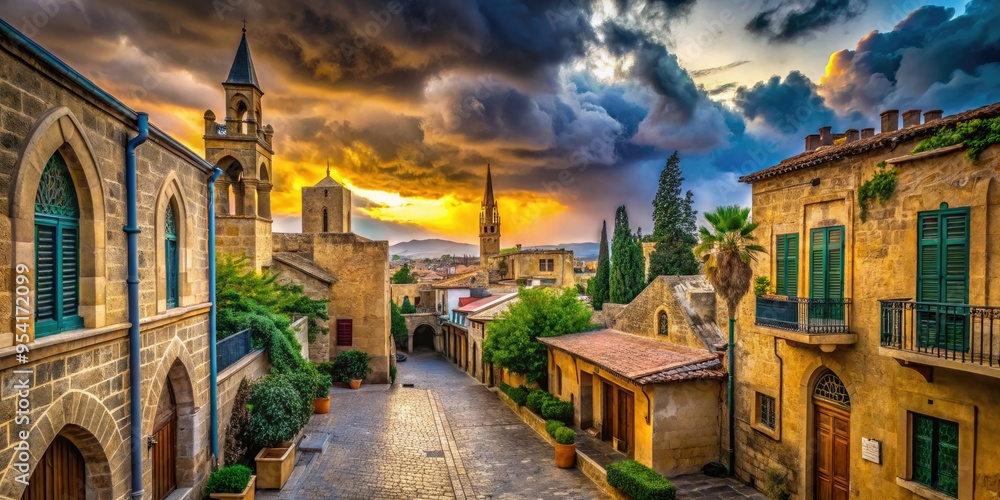
Nicosia, Cyprus: Where History, Culture, Business, and Opportunity Meet
Nicosia, also known as Lefkosia, is the capital and largest city of the Republic of Cyprus. Located in the central part of the island, it serves as an important centre for government, business, education, finance, culture, diplomacy, and professional services.
Nicosia is one of the Mediterranean's most historically distinctive cities. Its long history includes influences from ancient Greek civilization, Roman and Byzantine rule, Frankish and Venetian periods, Ottoman heritage, British administration, and modern Cypriot culture.
The city is particularly known for its historic centre surrounded by impressive Venetian walls, its museums, traditional streets, cafés, universities, and growing professional and technology sectors.
Today, Nicosia combines Mediterranean lifestyle, European business connections, education, innovation, and international opportunity.
Quick Facts
| Fact | Details |
|---|---|
| Country | Cyprus 🇨🇾 |
| Capital City | Nicosia |
| Also Known As | Lefkosia |
| Region | Eastern Mediterranean |
| Location | Central Cyprus |
| Official Languages | Greek and Turkish, depending on the administration and area |
| Currency in the Republic of Cyprus | Euro (€) |
| Time Zone | Eastern European Time |
| Climate | Mediterranean |
| Major Economic Activities | Financial Services, Professional Services, Technology, Education, Trade, Real Estate |
| Main International Airport Access | Larnaca International Airport |
| Known For | Venetian Walls, historic Old City, museums, universities, business services, and Mediterranean culture |
History of Nicosia
Nicosia has been an important settlement for centuries and developed into the political and administrative centre of Cyprus.
Its history has been influenced by:
-
Ancient Greek civilizations
-
Roman rule
-
Byzantine Empire
-
Frankish Lusignan rule
-
Venetian administration
-
Ottoman Empire
-
British colonial administration
-
Modern Cypriot history
The city's famous Venetian Walls were built during the Venetian period and continue to define the historic centre.
Nicosia's history is also closely connected with the political division of Cyprus, making it a city with a unique and complex modern identity.
Today, Nicosia remains the administrative and political centre of the Republic of Cyprus and an important centre for education, finance, professional services, and international relations.
A Rich and Diverse Culture
Nicosia offers a fascinating mixture of Mediterranean, European, Greek, Turkish, Byzantine, Ottoman, and modern cultural influences.
The city is known for:
-
Traditional architecture
-
Museums
-
Art galleries
-
Music
-
Theatre
-
Festivals
-
Literature
-
Handicrafts
-
Mediterranean cuisine
-
Historic neighbourhoods
The combination of different cultural traditions gives Nicosia a distinctive identity within the Mediterranean region.
Famous Tourist Attractions
1. Venetian Walls
The Venetian Walls are among the most important landmarks in Nicosia.
The historic fortifications surround much of the old city and reflect the city's strategic importance during the Venetian period.
The walls and their gates remain important symbols of Nicosia's heritage.
2. Ledra Street
Ledra Street is one of the most popular areas for shopping, walking, cafés, restaurants, and city life.
It provides a lively combination of:
-
Shops
-
Restaurants
-
Cafés
-
Cultural spaces
-
Historic buildings
The surrounding streets also offer opportunities to explore Nicosia's traditional urban character.
3. Cyprus Museum
The Cyprus Museum is one of the country's most important archaeological museums.
Its collections provide insight into Cyprus's history from prehistoric times through different ancient civilizations.
Visitors can discover artefacts connected to:
-
Ancient Cyprus
-
Greek civilization
-
Roman history
-
Sculpture
-
Archaeology
4. Büyük Han
The Büyük Han is one of the most important examples of Ottoman architecture in Cyprus.
Originally built as a caravanserai, it is now associated with cultural activities, crafts, shops, and cafés.
5. Selimiye Mosque
The Selimiye Mosque is one of Nicosia's most distinctive architectural landmarks.
Originally built as a Gothic cathedral, the structure later became a mosque during the Ottoman period.
Its architecture reflects the multiple civilizations that have shaped Cyprus.
6. Famagusta Gate
Famagusta Gate is one of the historic entrances through the Venetian Walls.
It represents an important part of the city's defensive and architectural heritage.
Museums and Cultural Experiences
Nicosia offers a variety of cultural institutions and museums.
Visitors can explore:
-
Archaeological museums
-
Art galleries
-
Byzantine collections
-
Folk art museums
-
Historic buildings
-
Traditional neighbourhoods
The city's museums provide an opportunity to understand Cyprus's complex history and multicultural heritage.
Food and Culinary Scene
Cypriot cuisine combines Mediterranean, Greek, Middle Eastern, and Turkish influences.
Popular foods include:
-
Halloumi
-
Souvla
-
Kleftiko
-
Meze
-
Sheftalia
-
Koupes
-
Loukoumades
-
Grilled seafood
-
Fresh salads
-
Traditional pastries
Cafés and restaurants are an important part of everyday life in Nicosia.
Local food culture focuses on fresh ingredients, family meals, grilled dishes, olive oil, vegetables, herbs, and Mediterranean flavours.
Economy and Business Environment
Nicosia is the primary administrative and professional services centre of the Republic of Cyprus.
Major sectors include:
-
Banking
-
Financial services
-
Accounting
-
Legal services
-
Insurance
-
Technology
-
Real estate
-
Education
-
Telecommunications
-
Trade
-
Professional consulting
Cyprus's position at the intersection of Europe, the Middle East, and North Africa provides opportunities for companies involved in international business and regional services.
Business Opportunities in Nicosia
1. Financial and Professional Services
Nicosia is an important centre for:
-
Banking
-
Accounting
-
Legal services
-
Corporate services
-
Insurance
-
Business consulting
-
International trade services
Businesses supporting international companies and investors can find opportunities in professional and corporate services.
2. Technology and Digital Economy
Cyprus has been developing its technology and innovation ecosystem.
Potential opportunities include:
-
Software development
-
Artificial Intelligence
-
FinTech
-
Cybersecurity
-
Digital payments
-
Cloud computing
-
E-commerce
-
Blockchain applications
-
RegTech
-
EdTech
Nicosia's universities and professional workforce can support technology and innovation businesses.
3. Education and International Students
Nicosia is an important educational centre with several universities and colleges.
Opportunities include:
-
International education
-
EdTech
-
Student services
-
Online learning
-
Professional training
-
Research partnerships
Education-related services can benefit from the city's international student population.
4. Real Estate and Property Services
Business opportunities include:
-
Residential development
-
Commercial property
-
Property management
-
Real estate technology
-
Interior design
-
Construction services
-
Sustainable buildings
As the capital and administrative centre, Nicosia continues to generate demand for residential and commercial property.
5. Renewable Energy and Green Technology
Cyprus has strong potential for solar energy and sustainable development.
Opportunities include:
-
Solar power
-
Energy efficiency
-
Smart buildings
-
Battery storage
-
Electric mobility
-
Water management
-
Waste recycling
-
Green technology
Clean-energy solutions can support Cyprus's long-term environmental and energy goals.
6. Tourism and Cultural Business
Although Nicosia is not a coastal resort city, it has significant potential in:
-
Cultural tourism
-
Heritage tourism
-
Museums
-
Walking tours
-
Boutique hotels
-
Restaurants
-
Event management
-
Conference tourism
Its historic architecture and cultural diversity provide opportunities for specialised tourism experiences.
Education
Nicosia is Cyprus's leading centre for higher education.
Important institutions include:
-
University of Cyprus
-
University of Nicosia
-
European University Cyprus
-
Cyprus University of Technology-related academic networks
-
Various private colleges and research institutions
Students can study:
-
Business
-
Engineering
-
Medicine
-
Technology
-
Artificial Intelligence
-
Law
-
Finance
-
International Relations
-
Architecture
-
Tourism
The city's universities also contribute to research, entrepreneurship, and innovation.
Transportation
Nicosia is connected to other parts of Cyprus through an extensive road network.
Transportation options include:
-
Buses
-
Taxis
-
Private vehicles
-
Intercity transport
The nearest major international airport is Larnaca International Airport, with additional international access through Paphos International Airport.
Nicosia's central location makes it an important transportation and administrative hub.
Shopping and Local Markets
Nicosia offers a mixture of traditional shopping areas and modern retail centres.
Visitors can explore:
-
Ledra Street
-
Traditional markets
-
Local boutiques
-
Shopping centres
-
Artisan stores
Popular products include:
-
Cypriot handicrafts
-
Jewellery
-
Ceramics
-
Traditional foods
-
Olive oil products
-
Halloumi
-
Wine products
-
Local crafts
Cultural Events and Festivals
Nicosia hosts a variety of cultural and professional events.
These include:
-
Music festivals
-
Theatre performances
-
Art exhibitions
-
Cultural celebrations
-
Academic conferences
-
Business forums
-
International events
The city's role as the capital makes it an important location for diplomacy, policy discussions, education, and international cooperation.
Living in Nicosia
Nicosia offers a Mediterranean lifestyle with a mixture of historic neighbourhoods and modern residential districts.
Popular areas include:
-
Strovolos
-
Engomi
-
Aglantzia
-
Latsia
-
Old City areas
Residents have access to:
-
Universities
-
Hospitals
-
Schools
-
Restaurants
-
Shopping centres
-
Business districts
-
Cultural institutions
-
Government offices
Nicosia can be attractive to professionals, students, entrepreneurs, and international residents seeking a Mediterranean lifestyle with European business connections.
Why Visit Nicosia?
Nicosia offers a distinctive combination of history, architecture, culture, education, business, and Mediterranean lifestyle.
-
History lovers can explore Venetian, Ottoman, Byzantine, and ancient heritage.
-
Culture enthusiasts can visit museums, galleries, traditional streets, and historic buildings.
-
Food lovers can experience Cypriot and Mediterranean cuisine.
-
Students can explore a range of international educational opportunities.
-
Business professionals can connect with financial, legal, technology, and professional service sectors.
Future Growth and Emerging Opportunities
Nicosia has opportunities for growth in:
-
Artificial Intelligence
-
FinTech
-
Cybersecurity
-
Blockchain
-
RegTech
-
Digital Payments
-
EdTech
-
HealthTech
-
Renewable Energy
-
Smart Cities
-
Green Buildings
-
Digital Government
-
International Education
The combination of education, professional services, technology, and international connections can support the city's future development.
Sustainable Development Opportunities
Nicosia's future development can benefit from investment in:
-
Solar energy
-
Energy-efficient buildings
-
Sustainable transportation
-
Electric mobility
-
Water conservation
-
Waste management
-
Smart infrastructure
-
Green urban spaces
-
Circular economy
These sectors can create opportunities for entrepreneurs, investors, technology companies, and environmental organisations.
Nicosia as a Gateway Between Europe, Asia, Africa, and the Middle East
Nicosia's strategic location gives Cyprus important connections with:
-
Europe
-
The Middle East
-
North Africa
-
The Mediterranean region
The city can serve as a base for:
-
International business
-
Financial services
-
Technology
-
Education
-
Consulting
-
Trade
-
Investment
-
Regional operations
Its combination of Mediterranean lifestyle and European business integration makes Nicosia an attractive location for international professionals and companies.
Conclusion
Nicosia is more than the capital of Cyprus—it is a city where ancient history, Mediterranean culture, European business, education, and future innovation come together.
From the historic Venetian Walls and Ledra Street to important cultural landmarks, museums, universities, and modern business districts, Nicosia offers a unique blend of heritage and opportunity.
Its strongest future potential lies in financial services, technology, artificial intelligence, FinTech, cybersecurity, education, renewable energy, real estate, professional services, and sustainable development.
For travellers, students, entrepreneurs, investors, and international organisations, Nicosia provides an important gateway between Europe, the Mediterranean, the Middle East, and North Africa.
#Nicosia #Cyprus #Lefkosia #VisitCyprus #VisitNicosia #CyprusTourism #Mediterranean #Europe #EasternMediterranean #VenetianWalls #LedraStreet #CyprusMuseum #BuyukHan #SelimiyeMosque #CypriotCulture #MediterraneanCulture #CulturalTourism #HeritageTourism #BusinessOpportunities #Investment #FinancialServices #Technology #ArtificialIntelligence #FinTech #Cybersecurity #Blockchain #Education #InternationalStudents #RenewableEnergy #SolarEnergy #SmartCities #RealEstate #DigitalTransformation #Entrepreneurship #SustainableDevelopment #ExploreCyprus #MediterraneanBusiness #FutureEurope #lowkot