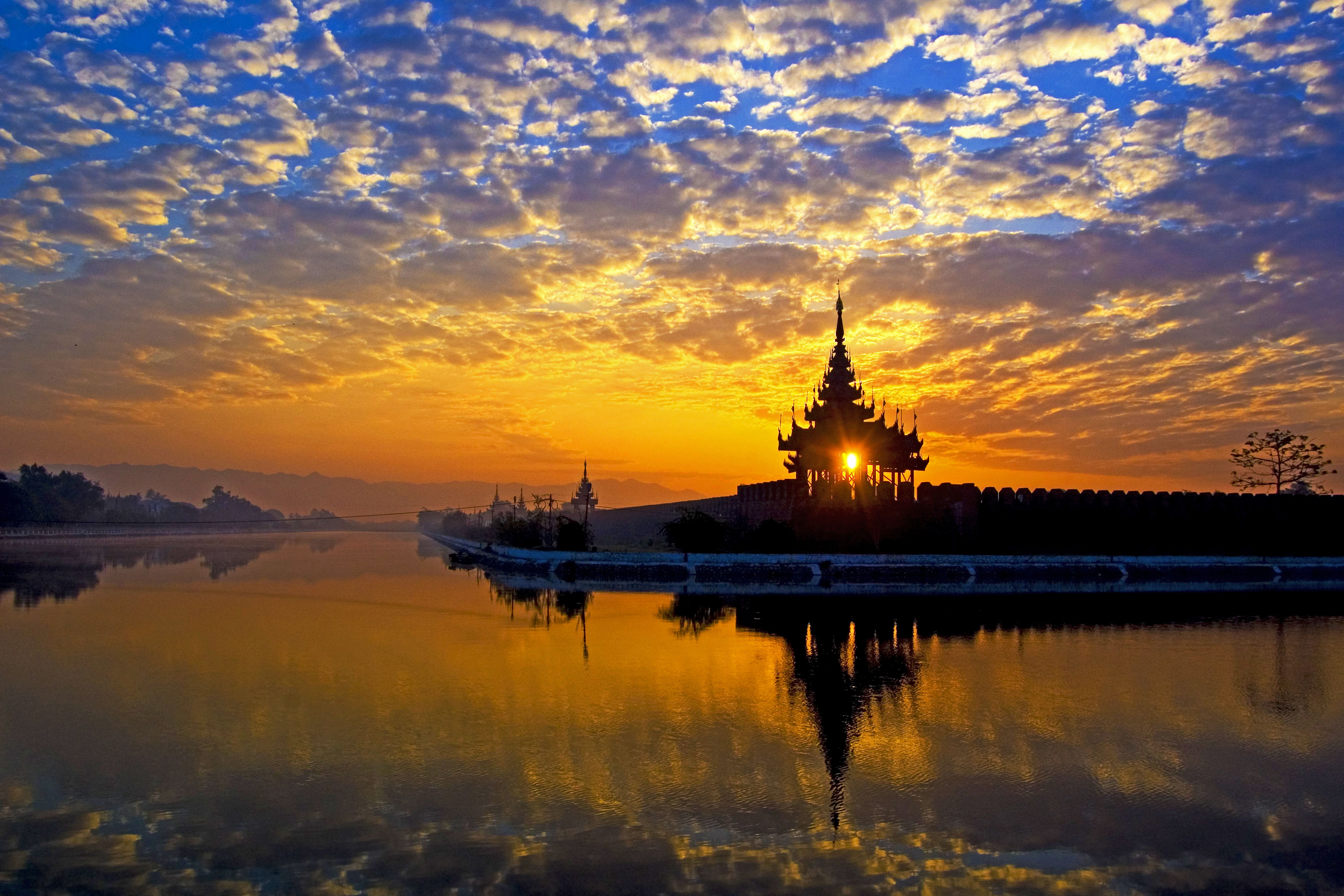
Mandalay, Myanmar: The Royal City of Heritage, Culture, and Timeless Traditions
Mandalay, Myanmar's second-largest city, is widely regarded as the country's cultural and spiritual capital. Located on the eastern bank of the Ayeyarwady (Irrawaddy) River, Mandalay was the last royal capital of the Burmese Kingdom before British rule. Today, it remains one of Southeast Asia's most historically significant cities, known for its magnificent monasteries, ancient pagodas, royal palaces, traditional craftsmanship, and rich Buddhist heritage.
Often referred to as the "Royal City of Myanmar," Mandalay attracts visitors from around the world who come to explore its historic monuments, vibrant markets, and centuries-old traditions. Alongside its cultural importance, Mandalay is also a major center for trade, education, agriculture, manufacturing, and regional commerce.
Whether you're seeking a journey through Myanmar's royal history, exploring business opportunities, or experiencing authentic Burmese culture, Mandalay offers a unique blend of heritage and modern development.
Overview of Mandalay
Mandalay is one of Myanmar's most important economic, educational, and cultural centers.
Quick Facts
-
Country: Republic of the Union of Myanmar
-
Region: Mandalay Region
-
Population: Approximately 1.7 million
-
Time Zone: Myanmar Time (MMT)
-
Official Language: Burmese (Myanmar)
-
Widely Spoken Languages: English, Chinese, Shan, and several ethnic languages
-
Currency: Myanmar Kyat (MMK)
-
Climate: Tropical savanna climate with hot summers and mild winters
-
Major Industries: Trade, Tourism, Agriculture, Manufacturing, Handicrafts, Education, Healthcare, Logistics, Construction, Food Processing
History and Cultural Heritage
Mandalay was founded in 1857 by King Mindon and became the last royal capital of the Konbaung Dynasty. It served as the political and cultural heart of Myanmar until British annexation in 1885.
The city remains an important center for Theravada Buddhism, traditional arts, wood carving, gold leaf production, silk weaving, and religious education. Historic monasteries, royal buildings, and ancient temples preserve the legacy of Myanmar's royal past.
Mandalay continues to play a vital role in safeguarding the country's cultural identity and Buddhist traditions.
A Rich and Diverse Culture
Mandalay is renowned for its artistic heritage and spiritual atmosphere.
The city's cultural highlights include:
-
Buddhist monasteries
-
Royal architecture
-
Traditional puppet theatre
-
Gold leaf craftsmanship
-
Wood carving
-
Marble sculpture
-
Silk weaving
-
Religious festivals
-
Traditional music and dance
-
Local handicrafts
Its rich traditions make Mandalay one of Myanmar's most culturally significant destinations.
Famous Tourist Attractions
1. Mandalay Palace
The reconstructed royal palace is the city's most iconic landmark and reflects the grandeur of Myanmar's last monarchy.
2. Mandalay Hill
Offering breathtaking panoramic views of the city, Mandalay Hill is one of the most sacred pilgrimage sites in Myanmar.
3. Kuthodaw Pagoda
Known as the "World's Largest Book," this remarkable pagoda contains 729 marble slabs engraved with Buddhist scriptures.
4. Mahamuni Buddha Temple
One of Myanmar's holiest Buddhist sites, housing the highly revered Mahamuni Buddha image.
5. U Bein Bridge
The world's longest teakwood bridge stretches across Taungthaman Lake and is famous for its spectacular sunrise and sunset views.
6. Shwenandaw Monastery
A beautifully carved wooden monastery that showcases traditional Burmese architecture and craftsmanship.
7. Atumashi Monastery
A magnificent historic monastery known for its impressive architecture and religious importance.
8. Mingun
Located across the Ayeyarwady River, Mingun is home to the unfinished Mingun Pahtodawgyi, the Mingun Bell, and the beautiful Hsinbyume Pagoda.
9. Sandamuni Pagoda
A peaceful temple complex featuring hundreds of white stupas surrounding a golden pagoda.
10. Zegyo Market
Mandalay's largest traditional market, offering local products, handicrafts, textiles, gems, and authentic Burmese cuisine.
Natural Beauty and Outdoor Activities
Mandalay is surrounded by scenic landscapes and historic sites.
Popular activities include:
-
Heritage walks
-
River cruises
-
Temple visits
-
Photography
-
Cycling
-
Cultural tours
-
Shopping
-
Meditation retreats
-
Sunset viewing
-
Local craft workshops
Nearby attractions include:
-
Mingun
-
Pyin Oo Lwin
-
Inwa (Ava)
-
Sagaing
-
Amarapura
-
Mount Popa
-
Bagan
Food and Culinary Scene
Mandalay offers authentic Burmese cuisine influenced by neighboring cultures.
Popular local dishes include:
-
Mohinga
-
Mandalay Mee Shay
-
Shan Noodles
-
Tea Leaf Salad (Laphet Thoke)
-
Burmese Curry
-
Sticky Rice
-
Fresh River Fish
-
Traditional Burmese Sweets
-
Coconut Desserts
-
Burmese Tea
The city also offers Chinese, Indian, Thai, and international cuisine.
Economy and Business Environment
Mandalay serves as a major commercial gateway between central Myanmar, China, and neighboring countries.
Major industries include:
-
Trade
-
Agriculture
-
Manufacturing
-
Tourism
-
Logistics
-
Construction
-
Food Processing
-
Handicrafts
-
Education
-
Healthcare
Business conditions are influenced by Myanmar's broader political and economic environment, so investors should conduct thorough due diligence before entering the market.
Business Opportunities in Mandalay
Mandalay offers opportunities across several sectors, depending on market conditions and regulations.
Tourism and Hospitality
Potential opportunities include:
-
Hotels
-
Guesthouses
-
Cultural tourism
-
Travel agencies
-
Restaurants
-
Heritage tourism
Agriculture and Food Processing
Growing opportunities include:
-
Rice processing
-
Food manufacturing
-
Agricultural technology
-
Organic farming
-
Export businesses
Handicrafts and Traditional Industries
Mandalay is internationally recognized for:
-
Gold leaf production
-
Marble carving
-
Wood carving
-
Silk weaving
-
Traditional crafts
-
Religious artifacts
Trade and Logistics
Business opportunities include:
-
Warehousing
-
Distribution
-
Import-export
-
Freight services
-
Supply chain management
Education
Potential investment areas include:
-
Language institutes
-
Vocational training
-
Professional education
-
Digital learning
-
Technical education
Information Technology
Emerging sectors include:
-
Software services
-
Digital business solutions
-
IT consulting
-
E-commerce
-
Cloud services
Education
Mandalay is an important educational center in Myanmar.
Major institutions include:
-
University of Mandalay
-
Mandalay Technological University
-
University of Medicine, Mandalay
-
Yadanabon University
-
Myanmar Aerospace Engineering University
These institutions support education in medicine, engineering, science, technology, and research.
Transportation
Mandalay is a major transportation hub connecting northern and central Myanmar.
Transportation includes:
-
Mandalay International Airport
-
Railway connections
-
National highways
-
River transport on the Ayeyarwady River
-
Public buses
-
Taxi services
Its strategic location supports domestic and regional trade.
Shopping Destinations
Popular shopping areas include:
-
Zegyo Market
-
Yadanarbon Super Center
-
Diamond Plaza
-
Jade markets
-
Handicraft shops
-
Local night markets
Visitors can purchase jade, gemstones, gold leaf, silk products, lacquerware, wood carvings, and traditional Burmese crafts.
Annual Festivals and Events
Mandalay celebrates numerous religious and cultural festivals, including:
-
Thingyan Water Festival
-
Thadingyut Festival of Lights
-
Tazaungdaing Festival
-
Mahamuni Pagoda Festival
-
Buddhist religious ceremonies
-
Traditional cultural performances
-
Local trade fairs
-
Community festivals
These celebrations highlight Myanmar's rich spiritual and cultural traditions.
Living in Mandalay
Mandalay offers a relaxed lifestyle rooted in tradition.
Residents enjoy:
-
Rich cultural heritage
-
Friendly communities
-
Historic neighborhoods
-
Traditional markets
-
Expanding educational institutions
-
Healthcare services
-
Scenic river landscapes
-
Strong religious traditions
The city remains an important destination for culture, education, and commerce.
Why Visit Mandalay?
Mandalay offers unforgettable experiences for every visitor.
-
History enthusiasts can explore royal palaces and ancient monasteries.
-
Spiritual travelers can visit sacred Buddhist temples and pagodas.
-
Culture lovers can experience traditional arts and local craftsmanship.
-
Entrepreneurs can explore trade and tourism opportunities while assessing the current business environment.
-
Photographers can capture stunning river sunsets, temples, and historic architecture.
-
Shoppers can discover authentic Burmese handicrafts and gemstones.
Future Growth and Emerging Opportunities
Mandalay's long-term development potential is linked to infrastructure improvements, regional trade, tourism, and digital transformation. As with the rest of Myanmar, future growth will depend on economic conditions, regulatory stability, and the broader political environment.
Potential growth sectors include:
-
Tourism
-
Sustainable Agriculture
-
Information Technology
-
Logistics
-
Renewable Energy
-
Healthcare
-
Education Technology
-
Smart Infrastructure
-
Food Processing
-
E-commerce
-
Cultural Industries
-
Regional Trade
Conclusion
Mandalay is much more than Myanmar's second-largest city—it is the country's royal and cultural soul. From the magnificent Mandalay Palace and the sacred Mahamuni Buddha Temple to the iconic U Bein Bridge and centuries-old monasteries, the city offers an unforgettable journey through Myanmar's history and traditions.
Whether you're exploring royal heritage, discovering Buddhist culture, experiencing traditional craftsmanship, or learning about Myanmar's commercial landscape, Mandalay remains one of Southeast Asia's most fascinating and culturally rich destinations.