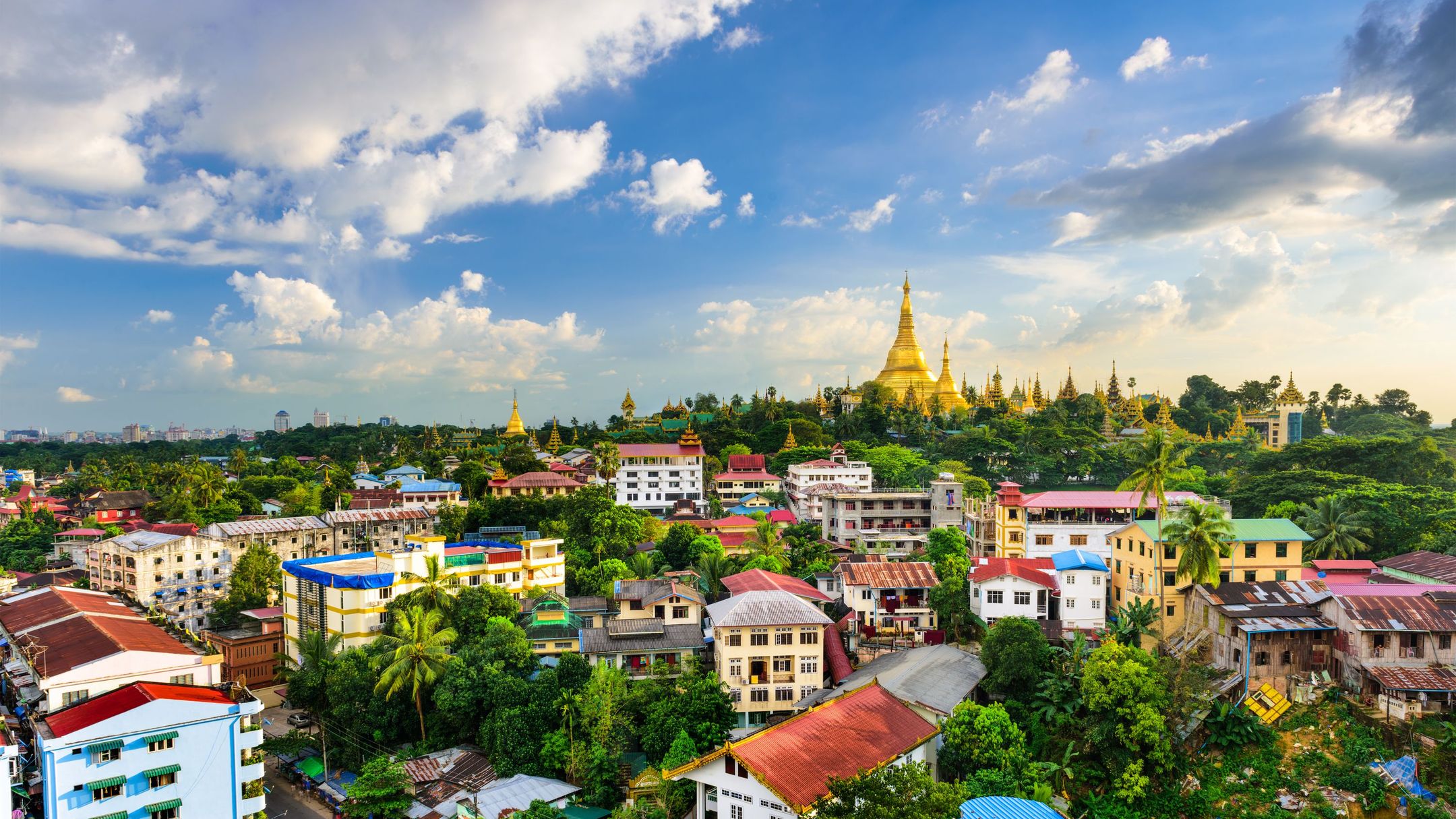
Yangon, Myanmar: The Cultural and Commercial Heart of Myanmar
Yangon, formerly known as Rangoon, is Myanmar's largest city and the country's commercial, financial, and cultural center. Located along the banks of the Yangon River near the Gulf of Martaban, Yangon is famous for its magnificent golden pagodas, colonial architecture, bustling markets, diverse communities, and vibrant business environment.
Although Naypyidaw became Myanmar's administrative capital in 2005, Yangon remains the nation's economic powerhouse. It is home to major businesses, financial institutions, ports, educational centers, and cultural landmarks. With a unique blend of history, spirituality, and urban development, Yangon attracts travelers, entrepreneurs, students, and investors from around the world.
Whether you're exploring Myanmar's ancient Buddhist heritage, discovering colonial-era architecture, or seeking business opportunities, Yangon offers a fascinating experience that combines tradition with progress.
Overview of Yangon
Yangon is Myanmar's largest metropolitan city and serves as the country's leading commercial and financial hub.
Quick Facts
-
Country: Republic of the Union of Myanmar
-
Largest City: Yangon
-
Population: Approximately 5.5 million
-
Time Zone: Myanmar Time (MMT)
-
Official Language: Burmese (Myanmar)
-
Widely Spoken Languages: English, Chinese, Hindi, Tamil, and several ethnic languages
-
Currency: Myanmar Kyat (MMK)
-
Climate: Tropical monsoon climate with hot temperatures throughout the year
-
Major Industries: Trade, Banking, Manufacturing, Tourism, Logistics, Construction, Education, Healthcare, Retail, Agriculture
History and Cultural Heritage
Yangon has a rich history dating back several centuries. It became the capital of British Burma in the 19th century, resulting in the development of impressive colonial buildings, wide boulevards, and public parks that still define much of the city's character.
Today, Yangon is home to one of the world's most important Buddhist landmarks—the Shwedagon Pagoda—along with historic churches, mosques, Hindu temples, and Chinese shrines, reflecting the city's multicultural heritage.
Its combination of colonial architecture, Buddhist traditions, and vibrant local life makes Yangon one of Southeast Asia's most distinctive cities.
A Rich and Diverse Culture
Yangon reflects Myanmar's cultural diversity and religious harmony.
The city's cultural highlights include:
-
Buddhist pagodas
-
Colonial architecture
-
Traditional festivals
-
Burmese performing arts
-
Local handicrafts
-
Museums
-
Religious diversity
-
Street markets
-
Traditional cuisine
-
Contemporary art
Visitors experience warm hospitality and a unique blend of Asian traditions and colonial heritage.
Famous Tourist Attractions
1. Shwedagon Pagoda
Myanmar's most sacred Buddhist monument, the Shwedagon Pagoda stands nearly 100 meters tall and is covered in gold, attracting millions of pilgrims and visitors each year.
2. Sule Pagoda
Located in the center of Yangon, this ancient pagoda has served as a spiritual landmark for over 2,000 years.
3. Kandawgyi Lake
A peaceful lake surrounded by gardens and walking paths, offering beautiful views of the Shwedagon Pagoda.
4. Bogyoke Aung San Market
One of Myanmar's most famous markets, known for gemstones, handicrafts, jewelry, textiles, and traditional souvenirs.
5. Chaukhtatgyi Buddha Temple
Home to one of Myanmar's largest reclining Buddha statues, admired for its intricate craftsmanship.
6. Yangon Circular Railway
A unique railway journey providing visitors with an authentic view of daily life across Yangon.
7. National Museum of Myanmar
A museum showcasing Myanmar's royal history, cultural heritage, ancient artifacts, and traditional arts.
8. Secretariat Building
A historic colonial building associated with Myanmar's independence movement and national history.
9. Inya Lake
One of Yangon's largest lakes, popular for recreation, relaxation, and scenic walks.
10. Botataung Pagoda
A revered riverside pagoda known for its golden interior and important Buddhist relics.
Natural Beauty and Outdoor Activities
Yangon offers beautiful parks, lakes, and riverside attractions.
Popular activities include:
-
Heritage walks
-
Temple visits
-
Photography
-
Boat trips
-
Shopping
-
Food tours
-
Museum visits
-
Cycling
-
Cultural festivals
-
Nature parks
Nearby attractions include:
-
Bago
-
Golden Rock (Kyaiktiyo Pagoda)
-
Hlawga National Park
-
Thanlyin
-
Twante
-
Ngwe Saung Beach (long-distance travel)
Food and Culinary Scene
Yangon offers authentic Burmese cuisine along with diverse international dining options.
Popular local dishes include:
-
Mohinga
-
Shan Noodles
-
Tea Leaf Salad (Laphet Thoke)
-
Burmese Curry
-
Coconut Rice
-
Grilled Seafood
-
Samosas
-
Sticky Rice Desserts
-
Burmese Tea
-
Tropical Fruits
The city also features Chinese, Indian, Thai, Japanese, Korean, and Western restaurants.
Economy and Business Environment
Yangon is Myanmar's largest economic and commercial center.
Major industries include:
-
Trade
-
Banking
-
Manufacturing
-
Logistics
-
Tourism
-
Construction
-
Retail
-
Healthcare
-
Education
-
Agriculture
As Myanmar's principal port city, Yangon plays a key role in international trade. However, businesses and investors should carefully consider the country's current political, regulatory, and economic environment before making investment decisions.
Business Opportunities in Yangon
Yangon continues to offer opportunities in selected sectors, subject to local regulations and market conditions.
Trade and Logistics
Potential opportunities include:
-
Import-export businesses
-
Warehousing
-
Freight forwarding
-
Port services
-
Supply chain management
-
Distribution
Tourism and Hospitality
Growing potential exists in:
-
Hotels
-
Restaurants
-
Travel services
-
Cultural tourism
-
Business travel
-
Event management
Manufacturing
Investment opportunities include:
-
Food processing
-
Textiles
-
Consumer goods
-
Packaging
-
Industrial products
Information Technology
Emerging sectors include:
-
Software development
-
Digital services
-
IT consulting
-
Cybersecurity
-
Business technology
Healthcare
Business opportunities include:
-
Private clinics
-
Medical equipment
-
Healthcare services
-
Diagnostics
-
Medical education
Education
Growing demand supports investment in:
-
Language institutes
-
Professional training
-
Technical education
-
Digital learning
-
International education
Education
Yangon is Myanmar's leading educational center.
Major institutions include:
-
University of Yangon
-
Yangon University of Economics
-
Yangon Technological University
-
University of Medicine 1
-
Yangon Institute of Education
These institutions contribute significantly to education, engineering, medicine, business, and research.
Transportation
Yangon has Myanmar's largest transportation network.
Transportation includes:
-
Yangon International Airport
-
Yangon Central Railway Station
-
Yangon Circular Railway
-
Public buses
-
Taxi services
-
River transport
-
National highways
Infrastructure improvements continue to enhance connectivity within the city.
Shopping Destinations
Popular shopping areas include:
-
Bogyoke Aung San Market
-
Junction City
-
Myanmar Plaza
-
Sule Square
-
Dagon Centre
-
Local street markets
Visitors can purchase gemstones, handicrafts, lacquerware, traditional clothing, jewelry, textiles, and local art.
Annual Festivals and Events
Yangon celebrates many important cultural and religious festivals, including:
-
Thingyan Water Festival
-
Thadingyut Festival of Lights
-
Tazaungdaing Festival
-
Full Moon celebrations
-
Independence Day
-
Union Day
-
Traditional Buddhist ceremonies
-
Cultural exhibitions
These events reflect Myanmar's deep spiritual traditions and vibrant community life.
Living in Yangon
Yangon offers a unique urban lifestyle with a blend of historic charm and modern conveniences.
Residents enjoy:
-
Rich cultural heritage
-
Diverse communities
-
Historic neighborhoods
-
Expanding healthcare services
-
Educational institutions
-
Shopping centers
-
Traditional markets
-
Beautiful lakes and parks
The city remains Myanmar's primary destination for commerce, education, and cultural activities.
Why Visit Yangon?
Yangon offers unforgettable experiences for every visitor.
-
History enthusiasts can admire colonial architecture and museums.
-
Spiritual travelers can visit some of the world's most significant Buddhist pagodas.
-
Entrepreneurs can explore Myanmar's largest commercial city while staying informed about current business conditions.
-
Food lovers can enjoy authentic Burmese cuisine.
-
Shoppers can explore vibrant traditional markets and local handicrafts.
-
Culture enthusiasts can experience Myanmar's festivals, arts, and traditions.
Future Growth and Emerging Opportunities
Yangon's long-term development potential is supported by its strategic location, skilled workforce, and role as Myanmar's commercial center. However, future growth will depend on economic reforms, infrastructure development, regulatory stability, and the broader political environment.
Potential growth sectors include:
-
Digital Technology
-
Information Technology
-
Logistics
-
Sustainable Infrastructure
-
Renewable Energy
-
Healthcare
-
Education Technology
-
Tourism
-
Manufacturing
-
E-commerce
-
Smart City Development
-
Financial Services
Conclusion
Yangon is much more than Myanmar's largest city—it is the country's cultural and economic heartbeat. From the magnificent Shwedagon Pagoda and elegant colonial architecture to its bustling markets and growing commercial sector, Yangon offers memorable experiences for travelers, entrepreneurs, students, and cultural explorers.
Whether you're discovering sacred temples, experiencing authentic Burmese hospitality, exploring business opportunities, or learning about Myanmar's rich history, Yangon remains one of Southeast Asia's most fascinating cities.