Kurunegala, Sri Lanka – The Royal City of Rocks, Legends, and Northern Gateway Heritage
Discover Kurunegala: Where Ancient Kingdoms, Sacred Rocks, and Modern Growth Converge
Kurunegala, the capital city of Sri Lanka’s North Western Province, is a historic and rapidly developing urban center surrounded by dramatic rock formations, fertile plains, and cultural landmarks. Once a royal capital in the 13th–14th centuries, Kurunegala carries a legacy of kings, legends, and ancient architecture that still shapes its identity today.
Strategically located between major cities like Colombo, Kandy, and Anuradhapura, Kurunegala serves as an important commercial, agricultural, and transportation hub. Beyond its modern development, the city is also known for its iconic rock hills shaped like animals, ancient temples, reservoirs, and deep cultural roots.
Kurunegala offers a balanced experience of history, nature, spirituality, and urban convenience, making it one of Sri Lanka’s most underrated yet significant destinations.
Why Kurunegala is One of Sri Lanka’s Most Unique Cities
Kurunegala stands out for its combination of royal history, geological landmarks, and growing economic importance.
It is known for:
-
Former royal capital of Sri Lanka (13th century)
-
Famous rock formations shaped like animals
-
Strategic transport and trade hub location
-
Rich Buddhist and cultural heritage
-
Ancient temples and archaeological sites
-
Expanding urban and commercial development
-
Agricultural and rural landscapes
-
Gateway between major cultural cities
The city blends ancient history with modern progress in a uniquely scenic setting.
Top Places to Visit in Kurunegala
Ethagala (Elephant Rock)
The most iconic landmark of Kurunegala, Ethagala resembles a giant elephant and towers over the city, offering panoramic views and historical significance.
Athugala (Monkey Rock)
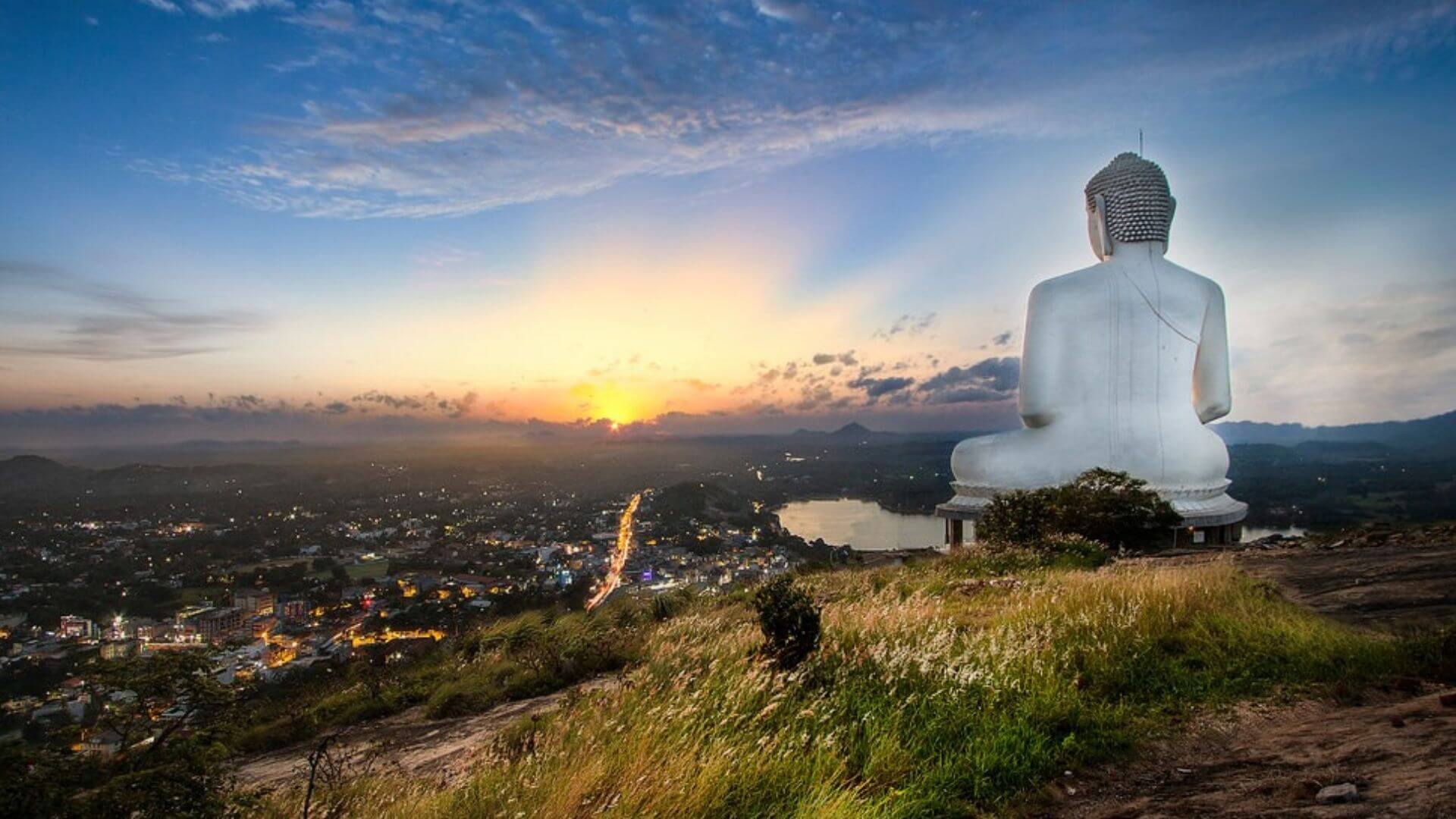
Another famous rock formation shaped like a resting monkey, known for its illuminated Buddha statue and peaceful surroundings.
Kurunegala Lake
A scenic reservoir in the heart of the city, ideal for evening walks, relaxation, and photography.
Ridi Viharaya (Silver Temple)
A sacred Buddhist temple located in nearby Ridigama, known for its ancient silver mining history and beautiful rock temple architecture.
Panduwasnuwara Ancient City
An important archaeological site that served as an early capital of Sri Lanka before Kurunegala, featuring ruins of palaces, temples, and fortifications.
Yapahuwa Rock Fortress (nearby attraction)
A stunning ancient rock fortress with a majestic stone staircase and historical relic chamber.
Culture and Heritage of Kurunegala
Royal Legacy
Kurunegala served as a royal capital during the late medieval period, playing a significant role in Sri Lanka’s political history.
Buddhist Heritage
The city and surrounding areas are home to numerous ancient temples and sacred sites.
Legends and Folklore
Kurunegala’s unique rock formations are tied to local legends involving ancient kings and mythological stories.
Festivals and Celebrations
Major cultural events include:
-
Sinhala and Tamil New Year
-
Vesak Festival
-
Poson Festival
-
Local temple peraheras
-
Deepavali and religious celebrations
Nature and Scenic Beauty of Kurunegala
Rock Landscape Geography
Kurunegala is famous for its eight major rock formations, giving it a dramatic and distinctive skyline.
Agricultural Plains
Surrounding areas are rich in rice fields, coconut plantations, and tropical vegetation.
Lakes and Reservoirs
The city features scenic water bodies that support agriculture and provide recreational spaces.
Wildlife and Green Areas
Nearby forest patches and rural zones support birds and small wildlife ecosystems.
Business and Investment Opportunities in Kurunegala
Kurunegala is one of Sri Lanka’s fastest-growing regional economic centers.
Agriculture and Agribusiness
The region is a major producer of:
-
Rice
-
Coconut
-
Vegetables
-
Fruits
Commercial Development
The city is expanding rapidly in:
-
Retail businesses
-
Wholesale trade
-
Banking and finance
-
Real estate development
Industrial Growth
Kurunegala is part of Sri Lanka’s industrial expansion corridor with increasing manufacturing activity.
Tourism Development
Opportunities include:
-
Heritage tourism
-
Eco-tourism
-
Cultural travel experiences
-
Boutique accommodation
Lifestyle in Kurunegala
Cost of Living
Kurunegala offers a comfortable and relatively affordable urban lifestyle.
Education
The city is home to schools, colleges, and access to higher education institutions in nearby regions.
Healthcare
Kurunegala has one of the major teaching hospitals in Sri Lanka, providing advanced medical services.
Transportation
Kurunegala is a major transport hub with connections to:
-
Colombo
-
Kandy
-
Anuradhapura
-
Northern and Southern regions
Climate and Best Time to Visit
Kurunegala experiences a warm tropical climate.
The best time to visit is:
-
December to March (more pleasant weather)
-
Early mornings or evenings for rock views and sightseeing
Why Kurunegala Stands Out
Kurunegala is unique because it combines:
-
Royal medieval history
-
Iconic rock landmarks
-
Strategic economic importance
-
Strong agricultural base
-
Cultural and religious heritage
-
Rapid urban development
It is both a historical city and a modern growth center.
Conclusion
Kurunegala is more than just a provincial capital—it is a city shaped by kings, carved by nature, and driven by progress. From its legendary rock formations and ancient temples to its growing economy and vibrant urban life, Kurunegala offers a rich and balanced experience.
For travelers, investors, and history enthusiasts, Kurunegala stands as a destination where heritage and modern life coexist in a powerful and inspiring way.