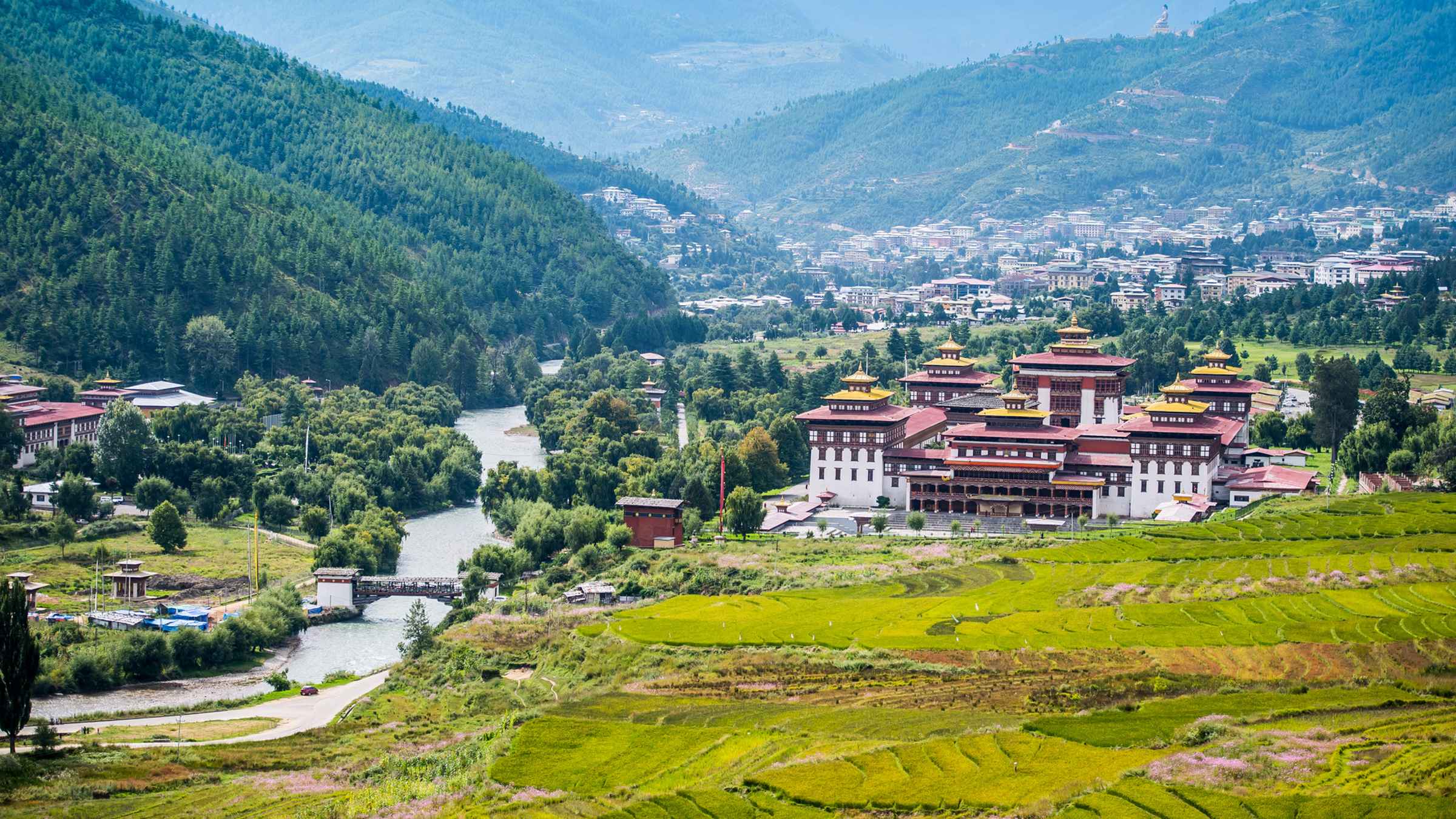
Thimphu, Bhutan: The Peaceful Capital of Happiness, Heritage, and Sustainable Development
Thimphu, the capital and largest city of the Kingdom of Bhutan, is a unique destination where ancient Buddhist traditions, breathtaking Himalayan landscapes, and modern development exist in perfect harmony. Nestled in the western Himalayas at an elevation of approximately 2,334 meters (7,657 feet), Thimphu is known for its peaceful atmosphere, stunning monasteries, traditional Bhutanese architecture, and commitment to environmental conservation.
Unlike many world capitals, Thimphu has preserved its cultural identity while embracing carefully planned modernization. Guided by Bhutan's philosophy of Gross National Happiness (GNH), the city focuses on sustainable development, cultural preservation, environmental protection, and the well-being of its people.
Whether you're seeking a spiritual journey, Himalayan adventure, cultural exploration, or investment opportunities in sustainable industries, Thimphu offers a truly unforgettable experience.
Overview of Thimphu
Thimphu serves as Bhutan's political, economic, administrative, and cultural center. It is home to the country's government offices, royal institutions, educational centers, and growing business community.
Quick Facts
-
Country: Kingdom of Bhutan
-
Capital: Thimphu
-
Population: Approximately 140,000
-
Time Zone: Bhutan Time (BTT)
-
Official Language: Dzongkha
-
Widely Spoken Languages: English, Nepali, and several regional languages
-
Currency: Bhutanese Ngultrum (BTN) (Indian Rupee is also widely accepted)
-
Climate: Subtropical highland climate with cool winters and pleasant summers
-
Major Industries: Tourism, Hydropower, Agriculture, Handicrafts, Education, Government Services, Renewable Energy, Hospitality, Information Technology
History and Cultural Heritage
Thimphu has been an important religious and administrative center for centuries. In 1961, it officially became the capital of Bhutan, replacing Punakha.
The city is deeply rooted in Vajrayana Buddhism, which influences daily life, architecture, festivals, and governance. Traditional Bhutanese buildings, monasteries, and dzongs (fortress-monasteries) reflect the country's rich cultural heritage and commitment to preserving its identity.
Bhutan's emphasis on protecting its traditions has made Thimphu one of the most culturally authentic capitals in Asia.
A Rich and Diverse Culture
Thimphu's culture is centered around Buddhist values, traditional customs, and community life.
The city's cultural highlights include:
-
Buddhist monasteries
-
Traditional Bhutanese architecture
-
Folk music and dance
-
Colorful religious festivals (Tshechus)
-
Handicrafts and textiles
-
National dress (Gho and Kira)
-
Local arts and crafts
-
Spiritual traditions
-
Environmental awareness
-
Community-centered lifestyle
Visitors experience a peaceful atmosphere unlike any other capital city.
Famous Tourist Attractions
1. Tashichho Dzong
One of Bhutan's most important landmarks, this magnificent fortress houses the King's office, government ministries, and the central monastic body.
2. Buddha Dordenma
Standing 51.5 meters tall, this giant golden Buddha statue overlooks Thimphu Valley and offers spectacular panoramic views.
3. Memorial Chorten
Built in memory of Bhutan's Third King, this sacred Buddhist monument is a popular place for prayer and meditation.
4. National Memorial Museum (Simply Bhutan)
An interactive cultural museum where visitors can experience traditional Bhutanese life, architecture, and customs.
5. Motithang Takin Preserve
Home to Bhutan's national animal, the Takin, this wildlife sanctuary is a favorite among visitors.
6. Folk Heritage Museum
A fascinating museum showcasing Bhutan's rural traditions, farming methods, and traditional lifestyle.
7. National Institute for Zorig Chusum
Known as the School of Traditional Arts, it teaches Bhutan's thirteen traditional arts and crafts.
8. Centenary Farmers' Market
A vibrant weekend market offering fresh local produce, handicrafts, spices, textiles, and authentic Bhutanese products.
9. Changangkha Lhakhang
One of Thimphu's oldest temples, offering beautiful views over the city and a peaceful spiritual atmosphere.
10. Dochula Pass (Nearby)
Located a short drive from Thimphu, this scenic mountain pass is famous for its 108 memorial chortens and breathtaking Himalayan views.
Natural Beauty and Outdoor Activities
Surrounded by mountains, forests, and rivers, Thimphu is ideal for outdoor enthusiasts.
Popular activities include:
-
Mountain hiking
-
Nature walks
-
Meditation retreats
-
Wildlife observation
-
Photography
-
River walks
-
Cultural tours
-
Cycling
-
Birdwatching
-
Traditional festivals
Nearby attractions include:
-
Paro
-
Punakha
-
Dochula Pass
-
Jigme Dorji National Park
-
Phobjikha Valley
-
Haa Valley
Food and Culinary Scene
Bhutanese cuisine is simple, flavorful, and often spicy.
Popular local dishes include:
-
Ema Datshi (chili and cheese)
-
Phaksha Paa
-
Red rice
-
Jasha Maru
-
Momos
-
Buckwheat noodles
-
Suja (butter tea)
-
Hoentay dumplings
-
Traditional soups
-
Organic mountain vegetables
Many restaurants also serve Indian, Tibetan, Chinese, and international cuisine.
Economy and Business Environment
Thimphu is Bhutan's primary economic center.
Major industries include:
-
Tourism
-
Government Services
-
Hydropower
-
Agriculture
-
Renewable Energy
-
Education
-
Hospitality
-
Handicrafts
-
Information Technology
-
Retail
Bhutan's stable governance and sustainability-focused policies create opportunities for responsible investment.
Business Opportunities in Thimphu
Thimphu provides growing opportunities for entrepreneurs and socially responsible investors.
Sustainable Tourism
Business opportunities include:
-
Eco-resorts
-
Cultural tourism
-
Adventure tourism
-
Wellness retreats
-
Guided tours
-
Boutique hotels
Renewable Energy
Bhutan's clean energy strategy supports investment in:
-
Hydropower
-
Solar energy
-
Green infrastructure
-
Rural electrification
-
Sustainable technologies
Information Technology
Emerging opportunities include:
-
Software development
-
Digital services
-
IT consulting
-
E-learning
-
Cloud computing
-
Digital innovation
Agriculture and Organic Farming
Business opportunities include:
-
Organic agriculture
-
Herbal products
-
Food processing
-
Sustainable farming
-
Export-quality produce
Handicrafts and Creative Industries
Thimphu is known for:
-
Traditional textiles
-
Wood carving
-
Handmade paper
-
Metal crafts
-
Painting
-
Souvenirs
Education and Training
Investment opportunities exist in:
-
Vocational training
-
International education
-
Language institutes
-
Professional development
-
Digital learning
Education
Thimphu is Bhutan's educational center.
Major institutions include:
-
Royal University of Bhutan
-
Royal Thimphu College
-
Jigme Namgyel Engineering College (affiliated)
-
Bhutan Medical and Health Council
-
National Institute for Zorig Chusum
These institutions contribute to Bhutan's development in education, healthcare, engineering, and traditional arts.
Transportation
Thimphu is connected by a well-maintained road network.
Transportation includes:
-
Road connection to Paro International Airport
-
Public buses
-
Taxi services
-
Private vehicles
-
Intercity bus services
-
Scenic mountain highways
Bhutan does not have a railway network, and Thimphu is one of the few national capitals in the world without traffic lights, relying instead on manually directed intersections in key areas.
Shopping Destinations
Popular shopping areas include:
-
Centenary Farmers' Market
-
Norzin Lam
-
Craft Bazaar
-
Handicraft Emporium
-
Weekend Market
-
Local artisan shops
Visitors can purchase handmade textiles, prayer flags, traditional clothing, jewelry, wood carvings, incense, handmade paper, and authentic Bhutanese crafts.
Annual Festivals and Events
Thimphu hosts several important cultural festivals throughout the year, including:
-
Thimphu Tshechu
-
Bhutan International Marathon
-
Black-Necked Crane Festival
-
National Day Celebrations
-
Traditional Mask Dance Festivals
-
Royal celebrations
-
Local cultural fairs
-
Buddhist religious ceremonies
These events attract visitors from around the world and showcase Bhutan's vibrant traditions.
Living in Thimphu
Thimphu offers one of Asia's most peaceful and environmentally conscious lifestyles.
Residents enjoy:
-
Clean air
-
Low crime rates
-
Beautiful Himalayan scenery
-
Strong community values
-
Excellent environmental conservation
-
Rich cultural heritage
-
Quality healthcare
-
Growing educational opportunities
The city's focus on happiness, sustainability, and balanced development makes it one of the world's most unique capitals.
Why Visit Thimphu?
Thimphu offers memorable experiences for every traveler.
-
Culture enthusiasts can explore monasteries, museums, and festivals.
-
Nature lovers can enjoy pristine mountains, forests, and wildlife.
-
Spiritual travelers can experience Buddhist traditions and meditation.
-
Entrepreneurs can explore sustainable investment opportunities.
-
Students can learn about Bhutan's unique development model.
-
Adventure seekers can use Thimphu as a gateway to the Himalayas.
Future Growth and Emerging Opportunities
Thimphu continues to grow while maintaining Bhutan's commitment to sustainability and Gross National Happiness.
Emerging industries include:
-
Eco-tourism
-
Renewable Energy
-
Digital Services
-
Artificial Intelligence
-
Information Technology
-
Organic Agriculture
-
Green Construction
-
Sustainable Hospitality
-
Healthcare
-
Education Technology
-
Creative Industries
-
Environmental Consulting
With continued investment in sustainable development, clean energy, and digital transformation, Thimphu is expected to remain one of Asia's most distinctive destinations for tourism, education, and responsible business.
Conclusion
Thimphu is much more than the capital of Bhutan—it is a city where spirituality, sustainability, and cultural heritage guide everyday life. From the majestic Tashichho Dzong and the towering Buddha Dordenma to its breathtaking Himalayan landscapes and commitment to Gross National Happiness, Thimphu offers extraordinary opportunities for travelers, entrepreneurs, students, and investors.
Whether you're exploring Buddhist monasteries, experiencing traditional Bhutanese culture, launching a sustainable business, or simply seeking peace in the Himalayas, Thimphu provides an inspiring destination where nature, heritage, and progress exist in perfect balance.