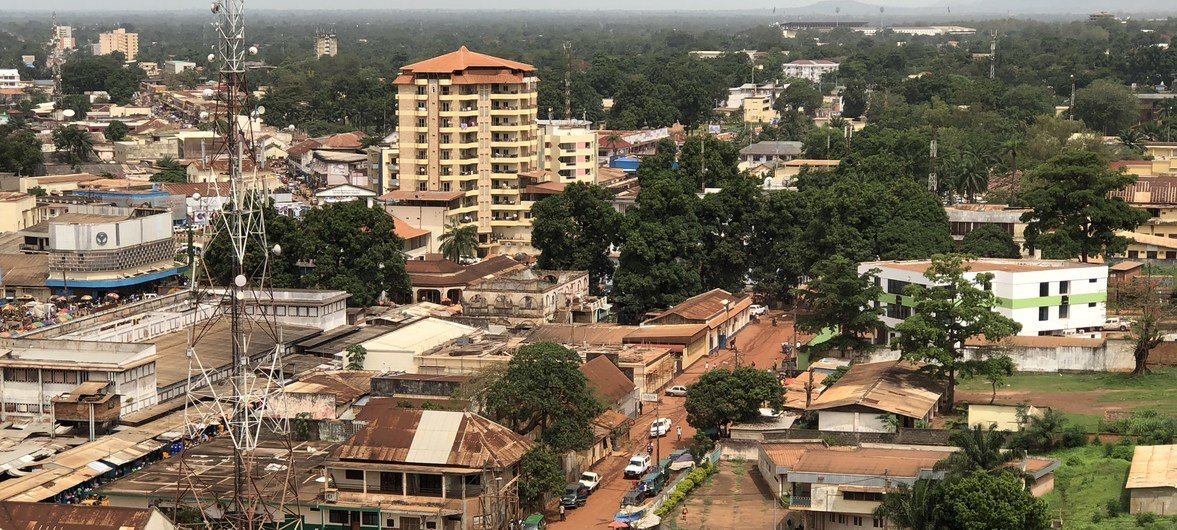
Bangui, Central African Republic: The Riverside Capital of Culture, Resilience, and Emerging Opportunity
Bangui, the capital and largest city of the Central African Republic (CAR), is situated on the northern bank of the Ubangi River, near the country's southern border with the Democratic Republic of the Congo. The riverfront setting, surrounding hills, tropical landscapes, and lively markets give Bangui a distinctive character within Central Africa.
Founded in 1889 during the French colonial period, Bangui developed as an important administrative and commercial centre. Following the Central African Republic's independence in 1960, it became the country's national capital.
Today, Bangui remains the political, economic, cultural, and transportation centre of the Central African Republic. Despite significant development challenges, the city has a young population, abundant natural resources, a strategic location, and opportunities for long-term growth in agriculture, infrastructure, energy, telecommunications, tourism, and services.
Overview of Bangui
Bangui is the administrative and commercial heart of the Central African Republic.
Quick Facts
-
Country: Central African Republic
-
Capital: Bangui
-
Location: Southwestern Central African Republic
-
Population: More than 1 million in the metropolitan area
-
River: Ubangi River
-
Time Zone: West Africa Time (UTC+1)
-
Official Languages: French and Sango
-
Currency: Central African CFA Franc (XAF)
-
Climate: Tropical climate with a pronounced rainy season
-
Major Industries: Agriculture, Mining, Trade, Government Services, Construction, Telecommunications, Transport, Energy, Forestry, Tourism
History and Cultural Heritage
Bangui was established in 1889 by French colonial authorities and developed around the strategic location of the Ubangi River.
The city became an important administrative centre during the colonial period and remained central to national governance after independence in 1960.
Bangui's cultural identity is closely connected to the traditions of the Central African Republic's many communities. The Sango language plays an especially important role in everyday communication and national identity.
A Rich and Diverse Culture
Bangui is one of the country's most important cultural centres.
The city's cultural traditions include:
-
Traditional music
-
African dance
-
Storytelling
-
Wood carving
-
Basket weaving
-
Pottery
-
Traditional textiles
-
Contemporary African art
-
Religious celebrations
-
Community festivals
Traditional music and dance remain important forms of cultural expression throughout the city.
Famous Tourist Attractions
1. Boganda National Museum
Named after Barthélemy Boganda, a major figure in Central African history, the museum preserves objects connected to the country's cultural and historical heritage.
2. Notre-Dame of Bangui Cathedral
One of the city's most recognizable landmarks, this Catholic cathedral is an important religious and architectural site.
3. Bangui Central Market
A vibrant marketplace where visitors can experience local food, clothing, crafts, household products, and everyday Central African life.
4. Boganda National Stadium
An important sporting venue and gathering place for major national events.
5. Place de la République
A central civic area associated with public events and national celebrations.
6. Ubangi River Waterfront
The river is one of Bangui's defining geographical features and provides scenic views toward the Democratic Republic of the Congo.
7. Pk5 District
A major commercial and cultural area known for its markets, shops, restaurants, and diverse communities.
8. Mount Bas-Oubangui and Surrounding Hills
The hills around Bangui provide opportunities for scenic views, photography, hiking, and exploring the city's natural environment.
9. Chutes de Boali
Located outside Bangui, the spectacular Boali Falls are among the Central African Republic's most notable natural attractions.
10. Dzanga-Sangha Protected Areas
Further from Bangui, these internationally important forests provide opportunities to experience Central Africa's extraordinary biodiversity, including forest elephants and western lowland gorillas.
Natural Beauty and Outdoor Activities
Bangui's location between tropical forests, hills, and the Ubangi River creates opportunities for nature-based tourism.
Popular activities include:
-
River excursions
-
Hiking
-
Nature walks
-
Bird watching
-
Wildlife observation
-
Photography
-
Fishing
-
Cultural tours
-
Eco-tourism
The wider Central African Republic is home to some of Africa's most important rainforest ecosystems.
Food and Culinary Scene
Bangui's cuisine reflects Central African traditions and locally available ingredients.
Popular foods include:
-
Cassava
-
Fufu
-
Plantains
-
Rice
-
Grilled fish
-
Chicken
-
Goat meat
-
Peanut-based sauces
-
Leafy vegetable dishes
-
Tropical fruits
Local markets provide opportunities to experience traditional ingredients and everyday Central African food culture.
Economy and Business Environment
Bangui is the country's principal economic centre.
Major sectors include:
-
Agriculture
-
Forestry
-
Mining
-
Trade
-
Construction
-
Telecommunications
-
Transport
-
Government Services
-
Energy
-
Small and Medium-Sized Enterprises
The Central African Republic has significant natural resources, including gold, diamonds, timber, uranium, and other minerals, although the country's economic development continues to face infrastructure and financing constraints.
Business Opportunities in Bangui
1. Agriculture and Agribusiness
Agriculture provides significant opportunities in:
-
Commercial farming
-
Food processing
-
Cassava production
-
Maize
-
Rice
-
Livestock
-
Poultry
-
Irrigation
-
Agricultural equipment
-
Agritech
Improving food storage, transportation, and processing could create additional value throughout the agricultural supply chain.
2. Mining
The country possesses important mineral resources.
Potential opportunities include:
-
Gold
-
Diamonds
-
Mineral exploration
-
Mining equipment
-
Mineral processing
-
Geological services
-
Responsible mining technologies
Sustainable and transparent mining practices are particularly important for long-term economic development.
3. Infrastructure Development
Bangui's infrastructure needs create opportunities in:
-
Road construction
-
Bridges
-
Housing
-
Water systems
-
Waste management
-
Public facilities
-
Telecommunications infrastructure
-
Urban development
4. Renewable Energy
Energy access remains an important development priority.
Potential investment areas include:
-
Solar power
-
Mini-grids
-
Battery storage
-
Small-scale hydropower
-
Solar-powered water systems
-
Energy-efficient buildings
5. Information Technology
Digital transformation could create opportunities in:
-
Mobile payments
-
FinTech
-
E-commerce
-
Software development
-
Digital government
-
Telecommunications
-
Online education
-
Cybersecurity
6. Tourism and Hospitality
Bangui could develop as a gateway for Central African cultural and nature tourism.
Potential opportunities include:
-
Hotels
-
Restaurants
-
Tour operators
-
Eco-lodges
-
Cultural tourism
-
Wildlife tourism
-
Adventure tourism
-
Conference services
Education
Bangui is the country's leading educational centre.
Major institutions include:
-
University of Bangui
-
Teacher-training institutions
-
Technical and vocational schools
-
Professional training centres
Important educational fields include:
-
Medicine
-
Law
-
Business
-
Agriculture
-
Engineering
-
Education
-
Information Technology
-
Public administration
Expanding technical and vocational education could help develop the workforce needed for future economic growth.
Transportation
Bangui is the country's primary transportation hub.
Transportation includes:
-
Bangui M'Poko International Airport
-
Road networks
-
Taxis
-
Minibuses
-
Motorcycle taxis
-
River transport
The Ubangi River also provides an important geographical connection to the wider Congo Basin region.
Shopping and Local Markets
Bangui's markets are an important part of daily economic life.
Visitors can find:
-
Traditional crafts
-
Wood carvings
-
Baskets
-
Textiles
-
Jewellery
-
Clothing
-
Fresh produce
-
Local food products
-
Handmade souvenirs
Markets also provide opportunities to experience the city's diverse communities and local entrepreneurship.
Cultural Events and Festivals
Bangui hosts cultural and community events throughout the year, including:
-
Traditional music events
-
Dance performances
-
Religious celebrations
-
Art exhibitions
-
Sporting events
-
Agricultural exhibitions
-
Community festivals
-
Business conferences
-
Educational events
These activities contribute to cultural preservation and community development.
Living in Bangui
Bangui offers a distinctive urban lifestyle shaped by its riverfront setting, local markets, tropical environment, and diverse communities.
The city provides:
-
Universities
-
Hospitals and healthcare facilities
-
Markets
-
Restaurants
-
Government institutions
-
Telecommunications services
-
Local businesses
-
Cultural and religious institutions
For professionals and organisations working in development, humanitarian services, infrastructure, trade, and public administration, Bangui serves as the country's principal base.
Why Visit Bangui?
Bangui offers a different experience from many established African capitals.
-
Culture enthusiasts can explore Central African traditions, markets, music, and crafts.
-
Nature lovers can discover rivers, forests, waterfalls, and wildlife.
-
Adventure travellers can explore attractions around the city and beyond.
-
Business visitors can examine opportunities in agriculture, infrastructure, mining, energy, and telecommunications.
-
Researchers and development professionals can learn about one of Central Africa's most important emerging markets.
Future Growth and Emerging Opportunities
Bangui has considerable long-term development potential.
Emerging opportunities include:
-
Artificial Intelligence
-
FinTech
-
Mobile banking
-
Renewable Energy
-
Smart Agriculture
-
Digital Government
-
Healthcare Technology
-
Educational Technology
-
Sustainable Forestry
-
Logistics
-
Infrastructure
-
Eco-tourism
The combination of natural resources, agricultural potential, a young population, and regional connectivity could support economic diversification over the coming decades.
Sustainable Development Opportunities
Bangui's future development can benefit from environmentally responsible solutions.
Important areas include:
-
Renewable energy
-
Sustainable forestry
-
Recycling
-
Waste management
-
Clean water systems
-
Sustainable agriculture
-
Forest conservation
-
Eco-tourism
-
Climate-smart infrastructure
-
Sustainable urban planning
Protecting Central African forests while creating economic opportunities will be particularly important for the country's long-term development.
Conclusion
Bangui is more than the capital of the Central African Republic—it is the country's gateway to culture, commerce, nature, and future development.
From the banks of the Ubangi River and vibrant local markets to its cultural institutions and access to Central Africa's extraordinary forests, Bangui offers a distinctive perspective on the region.
The city faces significant development challenges, but its opportunities are equally important. Agriculture, renewable energy, infrastructure, technology, telecommunications, responsible mining, and sustainable tourism could all contribute to its future economic transformation.
For travellers, entrepreneurs, investors, researchers, and development organisations, Bangui represents an emerging Central African destination with a rich cultural identity and significant long-term potential.
#Bangui #CentralAfricanRepublic #CAR #VisitBangui #VisitCentralAfricanRepublic #CentralAfrica #AfricanBusiness #BusinessOpportunities #Investment #Agriculture #Agribusiness #Mining #Gold #Diamonds #Forestry #RenewableEnergy #ArtificialIntelligence #FinTech #Technology #Telecommunications #Tourism #EcoTourism #Healthcare #Education #Infrastructure #DigitalTransformation #Entrepreneurship #EconomicDevelopment #SustainableDevelopment #CulturalHeritage #ExploreAfrica #FutureAfrica #lowkot