Tripoli, Libya: Where Mediterranean Heritage, Ancient History, and New Opportunities Meet
Tripoli is the capital and largest city of Libya, located on the Mediterranean coast of North Africa. It is the country's main political, administrative, commercial, and cultural centre.
The city has a long history shaped by Phoenician, Roman, Arab, Ottoman, Italian, and modern Libyan influences. Today, Tripoli combines a historic old city, Mediterranean coastline, major commercial activity, government institutions, universities, and significant economic potential.
Libya's strategic location between North Africa, the Mediterranean, Europe, the Middle East, and Sub-Saharan Africa gives Tripoli an important position for trade, logistics, energy, infrastructure, and international business.
Quick Facts
| Fact | Details |
|---|---|
| Country | Libya 🇱🇾 |
| Capital City | Tripoli |
| Region | North Africa |
| Location | Mediterranean coast |
| Official Language | Arabic |
| Widely Used Languages | Arabic, with English and Italian also used in some business and international contexts |
| Currency | Libyan Dinar (LYD) |
| Time Zone | Eastern European Time |
| Climate | Mediterranean with hot, dry summers |
| Major Economic Activities | Energy, Oil and Gas, Trade, Construction, Services, Telecommunications |
| Major Airport | Tripoli's main international aviation infrastructure has undergone significant disruption and redevelopment |
| Major Port | Port of Tripoli |
| Known For | Mediterranean coast, ancient history, Roman heritage, Old City, oil and gas industry |
History of Tripoli
Tripoli has one of North Africa's long and complex urban histories.
The city was originally associated with the ancient Phoenician settlement of Oea, which later became an important part of the Roman world.
Its history has been influenced by:
-
Phoenician civilization
-
Roman rule
-
Byzantine influence
-
Arab and Islamic expansion
-
Ottoman rule
-
Italian colonial rule
-
Modern Libyan independence
The nearby ancient cities of Sabratha and Leptis Magna demonstrate the importance of the Tripolitania region during the Roman era.
Libya gained independence in 1951, becoming one of the first countries in Africa to achieve independence in the post-Second World War period.
Tripoli developed into the country's principal commercial and administrative centre.
A Rich and Diverse Culture
Tripoli reflects Libya's diverse cultural heritage.
Its identity includes influences from:
-
Arab culture
-
Amazigh heritage
-
Mediterranean traditions
-
Islamic civilization
-
Ottoman history
-
Italian influence
-
Saharan and African traditions
The city is known for:
-
Traditional markets
-
Islamic architecture
-
Mediterranean cuisine
-
Handicrafts
-
Poetry
-
Music
-
Family traditions
-
Hospitality
-
Historic neighbourhoods
Libyan culture is strongly connected to both North Africa and the wider Mediterranean world.
Famous Tourist Attractions
1. Tripoli Old City
The Old City of Tripoli, also known as the Medina, is one of the city's most historic areas.
Visitors can explore:
-
Narrow streets
-
Traditional markets
-
Historic mosques
-
Ottoman-era buildings
-
Traditional houses
-
Craft shops
The Old City provides an important connection to Tripoli's historic identity.
2. Red Castle Museum
The Red Castle, also known as Assaraya al-Hamra, is one of Tripoli's best-known landmarks.
The historic complex has served different purposes throughout its long history and is an important symbol of the city.
The surrounding museum collections have historically provided insights into Libya's archaeology, culture, and history.
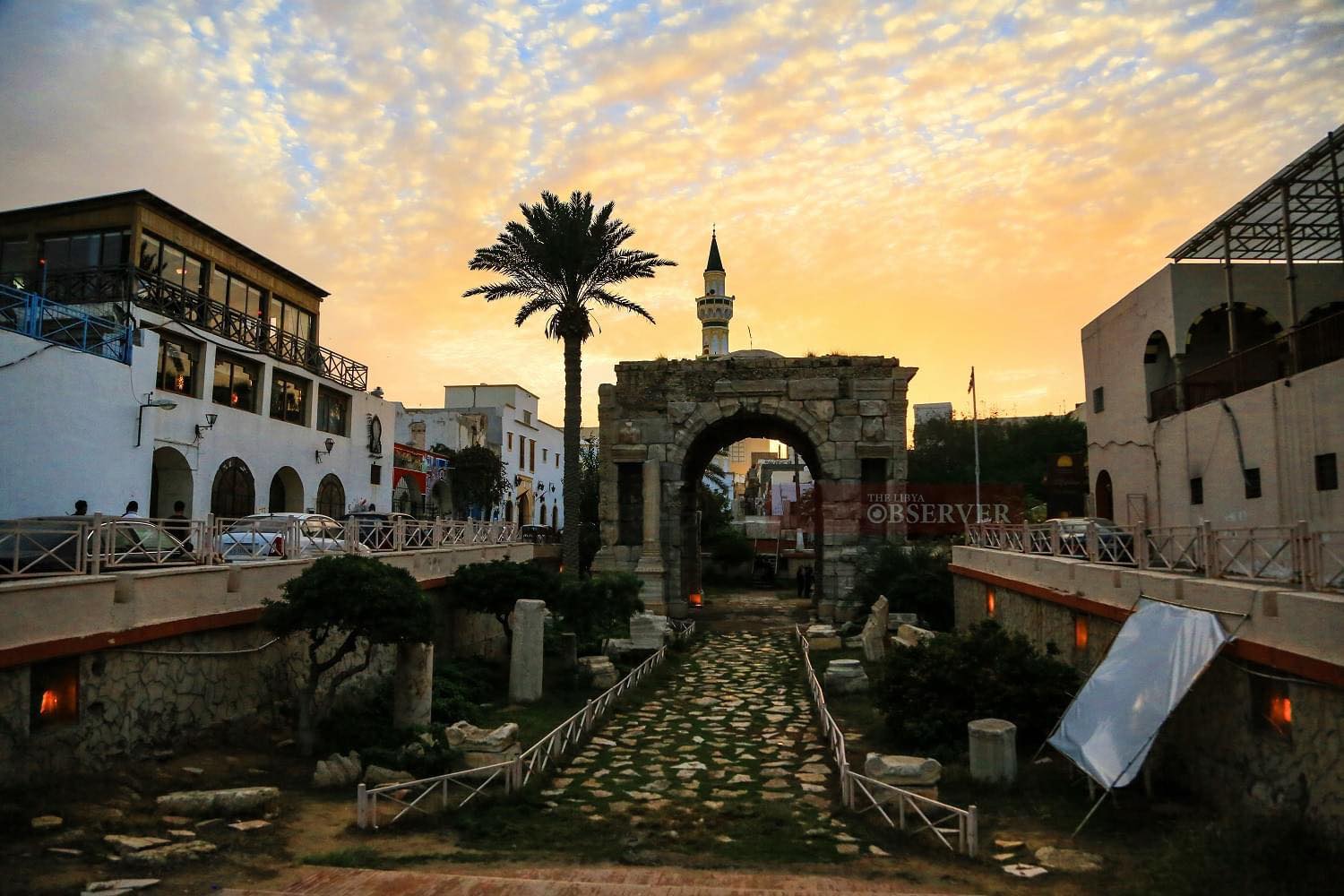
3. Arch of Marcus Aurelius
The Arch of Marcus Aurelius is one of the most important surviving Roman monuments in Tripoli.
The ancient monument reflects the city's role within the Roman world and remains a significant historical attraction.
4. Martyrs' Square
Martyrs' Square is one of Tripoli's most important public spaces.
It has played a significant role in the city's political and social life and is surrounded by important buildings and commercial areas.
5. Gurgi Mosque
The Gurgi Mosque is a historic mosque known for its Ottoman-era architecture and decorative details.
It represents an important part of Tripoli's Islamic and architectural heritage.
6. Tripoli Waterfront
The Mediterranean waterfront is an important part of the city's identity.
It offers opportunities for:
-
Walking
-
Photography
-
Dining
-
Relaxation
-
Coastal sightseeing
Ancient Sites Near Tripoli
The region surrounding Tripoli contains some of North Africa's most remarkable archaeological heritage.
Leptis Magna
One of the best-preserved Roman cities in the Mediterranean region.
The ancient site includes:
-
Roman theatres
-
Temples
-
Markets
-
Baths
-
Public spaces
-
Historic streets
Leptis Magna demonstrates the scale and importance of Roman civilization in North Africa.
Sabratha
Located west of Tripoli, Sabratha is another important ancient city.
It is particularly known for:
-
Roman theatre
-
Temples
-
Archaeological remains
-
Mediterranean views
Together, Tripoli, Leptis Magna, and Sabratha provide a remarkable journey through Libya's ancient history.
Natural Beauty and Outdoor Activities
Tripoli is located along the Mediterranean coast, offering access to:
-
Beaches
-
Coastal landscapes
-
Mediterranean waters
-
Outdoor cafés
-
Boat activities
-
Photography
Beyond the city, Libya offers dramatically different landscapes, including:
-
Desert regions
-
Mountain areas
-
Oases
-
Archaeological sites
-
Saharan landscapes
This diversity gives the country significant long-term tourism potential.
Food and Culinary Scene
Libyan cuisine combines Arab, Amazigh, Mediterranean, Ottoman, and Italian influences.
Popular foods include:
-
Couscous
-
Bazin
-
Shorba
-
Mbakbaka
-
Usban
-
Grilled meat
-
Seafood
-
Pasta dishes
-
Dates
-
Traditional pastries
Mediterranean seafood and Italian-influenced dishes are also important parts of the culinary experience.
Tea and coffee are closely connected with Libyan hospitality and social life.
Economy and Business Environment
Tripoli is the centre of much of Libya's commercial and administrative activity.
The Libyan economy is strongly connected to:
-
Oil
-
Natural gas
-
Energy infrastructure
-
Construction
-
Trade
-
Transportation
-
Telecommunications
-
Financial services
-
Government services
Libya has significant natural-resource wealth, particularly in the energy sector.
At the same time, the country has substantial long-term potential for diversification into:
-
Renewable energy
-
Construction
-
Logistics
-
Technology
-
Agriculture
-
Manufacturing
-
Tourism
-
Financial technology
Business Opportunities in Tripoli
1. Oil, Gas and Energy Services
Energy remains one of Libya's most important economic sectors.
Business opportunities can include:
-
Oilfield services
-
Engineering
-
Maintenance
-
Industrial equipment
-
Automation
-
Energy infrastructure
-
Environmental services
-
Safety systems
-
Digital monitoring technology
The energy industry will continue to play a major role in Tripoli's economy.
2. Infrastructure and Construction
Infrastructure development and reconstruction can create opportunities in:
-
Roads
-
Housing
-
Commercial buildings
-
Hospitals
-
Schools
-
Water systems
-
Power infrastructure
-
Telecommunications
-
Smart-city technology
Construction and infrastructure development could remain important sectors for future investment.
3. Renewable Energy
Libya has considerable potential for renewable energy, particularly because of its strong solar resources.
Opportunities include:
-
Solar power
-
Rooftop solar systems
-
Utility-scale solar projects
-
Battery storage
-
Smart grids
-
Energy efficiency
-
Solar-powered water systems
-
Green buildings
Renewable energy could support economic diversification and improve long-term energy sustainability.
4. Technology and Digital Economy
Tripoli has potential for growth in:
-
Software development
-
Artificial Intelligence
-
FinTech
-
Digital payments
-
Cybersecurity
-
E-commerce
-
Cloud services
-
EdTech
-
HealthTech
-
Digital government
Improved digital infrastructure and a growing demand for online services could create opportunities for entrepreneurs and technology companies.
5. Logistics and Trade
Tripoli's Mediterranean location gives it strategic importance for trade.
Potential opportunities include:
-
Port services
-
Warehousing
-
Freight forwarding
-
Shipping
-
Supply-chain management
-
Cold-chain logistics
-
Distribution centres
-
Customs technology
-
E-commerce logistics
Tripoli could serve as an important connection point between Mediterranean markets and Africa.
6. Tourism and Hospitality
Libya has significant long-term tourism potential.
Opportunities could include:
-
Hotels
-
Heritage tourism
-
Archaeological tourism
-
Desert tourism
-
Cultural tourism
-
Eco-tourism
-
Restaurants
-
Tour operations
-
Travel technology
Libya's ancient Roman cities, Mediterranean coast, desert landscapes, and cultural heritage could support a major tourism industry as conditions and infrastructure develop.
Education
Tripoli is one of Libya's most important centres for higher education.
Major institutions include:
-
University of Tripoli
-
Engineering institutions
-
Medical schools
-
Technical colleges
-
Research centres
-
Vocational education institutions
Important fields include:
-
Engineering
-
Medicine
-
Business
-
Technology
-
Science
-
Economics
-
Law
-
Information Technology
Education and skills development will be important for Libya's future economic diversification.
Transportation
Tripoli is Libya's primary transportation and commercial hub.
Transportation includes:
-
Taxis
-
Private vehicles
-
Buses
-
Shared transport
-
Road networks
-
Maritime connections
The Port of Tripoli plays an important role in commercial imports and maritime activity.
Transport and aviation infrastructure remain important areas for future development and investment.
Shopping and Local Markets
Tripoli offers a combination of traditional markets and modern commercial areas.
Visitors can find:
-
Traditional clothing
-
Jewellery
-
Carpets
-
Leather products
-
Spices
-
Perfumes
-
Handicrafts
-
Dates
-
Local food products
The traditional souks of the Old City remain an important part of Tripoli's commercial culture.
Cultural Events and Traditions
Tripoli's cultural life includes:
-
Religious celebrations
-
Traditional music
-
Poetry
-
Art exhibitions
-
Cultural programmes
-
Family celebrations
-
Heritage events
-
Educational activities
Libya's rich cultural heritage provides opportunities for the development of museums, creative industries, cultural events, and heritage preservation.
Living in Tripoli
Tripoli is a major Mediterranean city with a combination of historic and modern urban areas.
The city includes:
-
Residential neighbourhoods
-
Business districts
-
Government institutions
-
Universities
-
Hospitals
-
Hotels
-
Markets
-
Restaurants
-
Coastal areas
Important priorities for future urban development include:
-
Infrastructure
-
Reliable public services
-
Transportation
-
Housing
-
Healthcare
-
Education
-
Digital connectivity
-
Environmental management
Why Visit Tripoli?
Tripoli offers a unique combination of Mediterranean scenery, ancient history, Arab culture, Islamic architecture, and modern urban life.
-
History lovers can explore the Old City, Roman monuments, Leptis Magna, and Sabratha.
-
Culture enthusiasts can experience Libyan traditions, markets, architecture, and cuisine.
-
Nature lovers can explore the Mediterranean coastline and Libya's diverse desert landscapes.
-
Business travellers can explore opportunities in energy, infrastructure, construction, logistics, and technology.
Travel plans should always take current local conditions, security requirements, and official travel guidance into account.
Future Growth and Emerging Opportunities
Tripoli has potential for future growth in several sectors.
Key opportunities include:
-
Oil and gas technology
-
Renewable energy
-
Solar power
-
Artificial Intelligence
-
FinTech
-
Cybersecurity
-
Construction technology
-
Smart cities
-
Logistics technology
-
HealthTech
-
EdTech
-
E-commerce
-
Manufacturing
-
Tourism
Long-term growth will depend heavily on continued improvements in stability, institutions, infrastructure, investment conditions, and workforce development.
Sustainable Development Opportunities
Tripoli's future development can benefit from sustainable and resilient infrastructure.
Important opportunities include:
-
Solar energy
-
Water management
-
Desalination
-
Waste recycling
-
Energy efficiency
-
Sustainable construction
-
Coastal protection
-
Smart transportation
-
Green urban spaces
-
Circular economy initiatives
Given Libya's climate and geography, water management and renewable energy could become particularly important areas for innovation and investment.
Tripoli as a Gateway to Libya and North Africa
Tripoli is a key gateway for:
-
Government relations
-
Energy
-
Trade
-
Construction
-
Technology
-
Investment
-
Education
-
Logistics
-
International development
Its Mediterranean location provides strategic connections with:
-
North Africa
-
Europe
-
The Middle East
-
The wider Mediterranean
-
Sub-Saharan Africa
This geographic position gives Tripoli considerable long-term potential as a regional commercial centre.
Conclusion
Tripoli is more than the capital of Libya—it is a Mediterranean city where ancient civilizations, Arab and Islamic heritage, modern economic potential, and African opportunity meet.
From the historic Old City and Arch of Marcus Aurelius to the ancient wonders of Leptis Magna and Sabratha, Tripoli and its surrounding region offer a remarkable cultural and historical landscape.
The city's strongest future opportunities are likely to emerge in energy, renewable energy, infrastructure, construction, logistics, technology, artificial intelligence, digital services, tourism, and sustainable development.
For entrepreneurs, investors, researchers, international organisations, and future travellers, Tripoli has the potential to play an increasingly important role as a gateway to Libya, North Africa, the Mediterranean, and African markets.
#Tripoli #Libya #VisitLibya #VisitTripoli #NorthAfrica #Mediterranean #AfricanBusiness #BusinessOpportunities #Investment #LibyanCulture #TripoliOldCity #LeptisMagna #Sabratha #RomanHistory #MediterraneanTourism #CulturalTourism #HeritageTourism #OilAndGas #Energy #RenewableEnergy #SolarEnergy #Infrastructure #Construction #Logistics #Technology #ArtificialIntelligence #FinTech #Cybersecurity #DigitalTransformation #SmartCities #Tourism #Education #Entrepreneurship #EconomicDevelopment #SustainableDevelopment #WaterManagement #GreenEnergy #ExploreLibya #ExploreAfrica #LibyaBusiness #FutureAfrica #lowkot