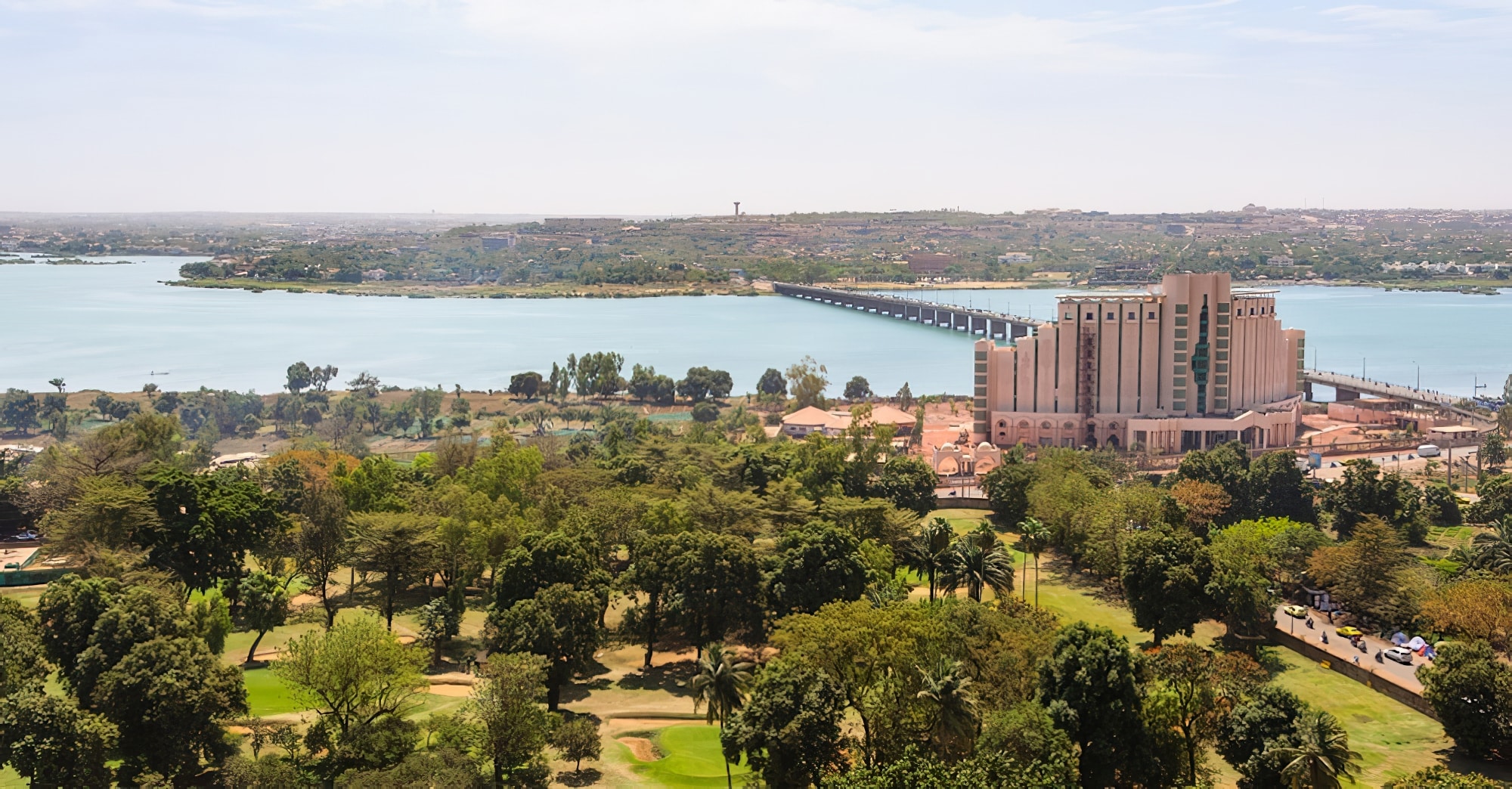
Bamako, Mali: The Cultural Heart of West Africa, Trade, Tradition, and Opportunity
Bamako is the capital and largest city of Mali, located in southwestern West Africa along the banks of the Niger River. It is the country's political, economic, educational, cultural, and commercial centre.
Surrounded by hills and shaped by the Niger River, Bamako combines traditional West African heritage with a growing modern urban economy. The city is particularly famous for its music, textiles, traditional crafts, markets, cuisine, and artistic traditions.
Mali's historical importance extends far beyond Bamako. The country was home to powerful West African empires, including the Mali Empire and Songhai Empire, and Bamako serves as an important gateway to this extraordinary history.
## Quick Facts
| Fact | Details |
|---|---|
| Country | Mali 🇲🇱 |
| Capital City | Bamako |
| Region | West Africa / Sahel |
| Location | Southwestern Mali, along the Niger River |
| Population | More than 3 million in the wider metropolitan area |
| Official Language | French |
| National/Most Widely Spoken Languages | Bambara and other Malian languages |
| Currency | West African CFA Franc (XOF) |
| Time Zone | Greenwich Mean Time (UTC+0) |
| Climate | Hot semi-arid / tropical savanna |
| Major Economic Activities | Trade, Agriculture, Livestock, Manufacturing, Services, Construction, Crafts |
| Major Airport | Modibo Keita International Airport |
| Major River | Niger River |
| Known For | Music, Mali Empire heritage, textiles, crafts, markets, and Niger River landscapes |
History of Bamako
Bamako has a long history connected to communities living along the Niger River.
The area developed as a regional settlement and trading centre before becoming increasingly important during the colonial period.
Under French rule, Bamako became the administrative capital of the French Sudan territory.
Mali gained independence in 1960, and Bamako became the capital of the newly independent nation.
The city has continued to expand and is now the country's largest urban and economic centre.
Mali's Extraordinary Historical Heritage
Although Bamako itself is a modern capital, it provides access to one of Africa's most important historical regions.
The wider territory of present-day Mali was home to major West African civilisations, including:
-
Ghana Empire
-
Mali Empire
-
Songhai Empire
The Mali Empire, associated with famous rulers such as Mansa Musa, became one of the wealthiest and most influential empires in medieval Africa.
Historic cities such as Timbuktu, Djenné, and Gao reflect this remarkable heritage.
A Rich and Diverse Culture
Bamako is one of West Africa's great cultural centres.
The city is strongly influenced by:
-
Bambara culture
-
Mandé traditions
-
Fulani heritage
-
Songhai culture
-
Tuareg traditions
-
Dogon cultural heritage
-
Islamic traditions
-
Contemporary African culture
Bamako is internationally recognised for:
-
Music
-
Fashion
-
Photography
-
Sculpture
-
Textiles
-
Jewellery
-
Wood carving
-
Contemporary art
Famous Tourist Attractions
1. National Museum of Mali
The National Museum showcases Mali's archaeological and cultural heritage through:
-
Traditional textiles
-
Sculptures
-
Masks
-
Ceramics
-
Archaeological objects
-
Historical artefacts
2. National Park of Mali
A major green space in Bamako offering opportunities for:
-
Walking
-
Recreation
-
Nature observation
-
Family activities
3. Bamako Grand Mosque
An important religious and architectural landmark in the city.
4. BCEAO Tower
One of Bamako's most recognizable modern buildings and an important symbol of the city's economic and financial development.
5. Niger River
The Niger River is central to Bamako's identity.
Visitors can enjoy:
-
Riverside views
-
Fishing
-
Boat excursions
-
Photography
-
Local markets
-
Bird watching
6. Point G Hill
One of Bamako's well-known elevated areas, offering views over parts of the city.
7. Marché Rose
A traditional market famous for:
-
Fabrics
-
Jewellery
-
Crafts
-
Clothing
-
Food products
-
Souvenirs
8. Maison des Artisans
A centre where visitors can discover traditional Malian crafts, including:
-
Textiles
-
Leatherwork
-
Jewellery
-
Wood carvings
-
Metalwork
-
Sculptures
Natural Beauty and Outdoor Activities
Bamako's location along the Niger River and near the Manding Plateau gives the city a distinctive natural environment.
Activities include:
-
River excursions
-
Hiking
-
Photography
-
Cultural tours
-
Market visits
-
Bird watching
-
Nature walks
-
Rural tourism
The wider region contains savannah landscapes, hills, rivers, and agricultural communities.
Food and Culinary Scene
Bamako offers a diverse Malian food culture.
Popular dishes include:
-
Tô
-
Maafe
-
Tigadèguèna
-
Riz au gras
-
Grilled meat
-
Grilled fish
-
Couscous
-
Fonio
-
Rice dishes
-
Plantains
-
Bean dishes
-
Fresh fruits
Malian tea culture is also an important part of social life.
Economy and Business Environment
Bamako is the economic centre of Mali.
Major sectors include:
-
Agriculture
-
Livestock
-
Trade
-
Manufacturing
-
Construction
-
Telecommunications
-
Financial Services
-
Transport
-
Retail
-
Handicrafts
Mali is also known for its significant gold-mining industry, which plays an important role in the national economy.
Business Opportunities in Bamako
1. Agriculture and Agribusiness
Agriculture remains central to Mali's economy.
Opportunities include:
-
Irrigation
-
Rice production
-
Cotton
-
Millet
-
Sorghum
-
Maize
-
Livestock
-
Poultry
-
Food processing
-
Grain storage
-
Agricultural machinery
-
Agritech
2. Gold and Mining Services
Mali is one of Africa's important gold-producing countries.
Potential business opportunities include:
-
Mining equipment
-
Geological services
-
Mineral processing
-
Environmental services
-
Mining logistics
-
Safety technology
-
Responsible mining solutions
3. Renewable Energy
Mali's strong solar resources create opportunities in:
-
Solar farms
-
Off-grid solar
-
Solar irrigation
-
Battery storage
-
Mini-grids
-
Solar water systems
-
Clean cooking
-
Energy-efficient buildings
4. Technology and Digital Services
Digital transformation can create opportunities in:
-
FinTech
-
Mobile payments
-
E-commerce
-
Artificial Intelligence
-
Software development
-
Digital education
-
Digital healthcare
-
Cybersecurity
5. Manufacturing and Food Processing
Local production can create opportunities in:
-
Food processing
-
Textiles
-
Leather
-
Packaging
-
Agricultural equipment
-
Construction materials
-
Consumer goods
6. Tourism and Cultural Industries
Mali's cultural heritage creates opportunities in:
-
Cultural tourism
-
Heritage tours
-
Museums
-
Handicrafts
-
Music
-
Film
-
Fashion
-
Hospitality
-
Cultural events
Education
Bamako is Mali's leading educational centre.
Major institutions include:
-
University of Sciences, Techniques and Technologies of Bamako
-
University of Social Sciences and Management of Bamako
-
International schools
-
Technical institutions
-
Vocational training centres
Important fields include:
-
Medicine
-
Engineering
-
Agriculture
-
Business
-
Law
-
Economics
-
Education
-
Information Technology
Transportation
Bamako is the principal transportation hub of Mali.
Transportation includes:
-
Modibo Keita International Airport
-
Major highways
-
Intercity buses
-
Taxis
-
Minibuses
-
Motorcycles
-
River transport in suitable areas
The Niger River also plays an important role in transportation and local economic activity.
Shopping and Local Markets
Bamako's markets are central to the city's commercial and cultural life.
Visitors can find:
-
Bogolan textiles
-
Jewellery
-
Leather products
-
Wooden crafts
-
Traditional clothing
-
Musical instruments
-
Food products
-
Contemporary artwork
Bogolan, a traditional mud-cloth textile associated with Mali, is particularly famous internationally.
Cultural Events and Festivals
Bamako has a vibrant cultural calendar.
Events can include:
-
Music festivals
-
Photography exhibitions
-
Film festivals
-
Fashion events
-
Art exhibitions
-
Traditional celebrations
-
Craft fairs
-
Cultural conferences
Malian music has had a major influence on African and international music, with artists from Mali helping popularise West African musical traditions around the world.
Living in Bamako
Bamako is a rapidly growing metropolitan area.
The city offers:
-
Universities
-
Hospitals
-
Hotels
-
Restaurants
-
Markets
-
Shopping areas
-
Government institutions
-
Cultural centres
-
Local businesses
The city's hot climate, rapid population growth, and infrastructure requirements make reliable water, electricity, transportation, and urban planning important development priorities.
Why Visit Bamako?
Bamako is especially attractive to visitors interested in African history and culture.
-
History lovers can explore Mali's extraordinary imperial heritage.
-
Music enthusiasts can experience one of Africa's great musical traditions.
-
Art lovers can discover textiles, sculpture, photography, and crafts.
-
Food lovers can experience traditional Malian cuisine.
-
Business travellers can explore agriculture, mining, renewable energy, trade, and technology.
-
Nature enthusiasts can enjoy the Niger River and surrounding landscapes.
Future Growth and Emerging Opportunities
Bamako has significant potential for economic diversification and digital transformation.
Emerging sectors include:
-
Artificial Intelligence
-
FinTech
-
Agritech
-
Renewable Energy
-
Digital Government
-
E-commerce
-
HealthTech
-
EdTech
-
Smart Agriculture
-
Logistics Technology
-
Sustainable Construction
-
Creative Industries
The city's young population and growing urban economy can provide a foundation for entrepreneurship and innovation.
Sustainable Development Opportunities
As a rapidly growing city in the Sahel, Bamako needs sustainable solutions for its future.
Important opportunities include:
-
Solar energy
-
Water conservation
-
Waste recycling
-
Sustainable transportation
-
Climate-smart agriculture
-
Urban tree planting
-
Flood management
-
Green construction
-
Sustainable livestock
-
River ecosystem protection
Protecting the Niger River while improving urban infrastructure will be particularly important for Bamako's long-term resilience.
Bamako as a Gateway to West Africa
Bamako is strategically positioned within the wider West African region.
The city can serve as a base for organisations and businesses working in:
-
Agriculture
-
Mining
-
Renewable energy
-
Logistics
-
Trade
-
Technology
-
Development
-
Education
-
Cultural industries
Its connections with neighbouring countries make it an important part of regional commerce.
Conclusion
Bamako is more than the capital of Mali—it is a city where the heritage of ancient West African empires meets modern African creativity, commerce, and entrepreneurship.
From the Niger River and vibrant markets to traditional textiles, music, crafts, museums, and the legacy of the Mali Empire, Bamako offers an extraordinary cultural experience.
The city's future opportunities are particularly strong in agriculture, food processing, renewable energy, mining services, technology, logistics, tourism, education, and creative industries.
For travellers, entrepreneurs, investors, researchers, and international organisations, Bamako provides an important gateway to Mali and the wider cultural and economic landscape of West Africa.
#Bamako #Mali #VisitMali #VisitBamako #WestAfrica #Sahel #AfricanBusiness #BusinessOpportunities #Investment #MaliEmpire #AfricanHistory #NigerRiver #Agriculture #Agribusiness #GoldMining #Mining #RenewableEnergy #SolarEnergy #Technology #ArtificialIntelligence #FinTech #Agritech #Tourism #CulturalTourism #AfricanMusic #AfricanArt #Bogolan #Education #Healthcare #Construction #DigitalTransformation #Entrepreneurship #EconomicDevelopment #SustainableDevelopment #ClimateSmartAgriculture #ExploreAfrica #MaliBusiness #FutureAfrica #lowkot