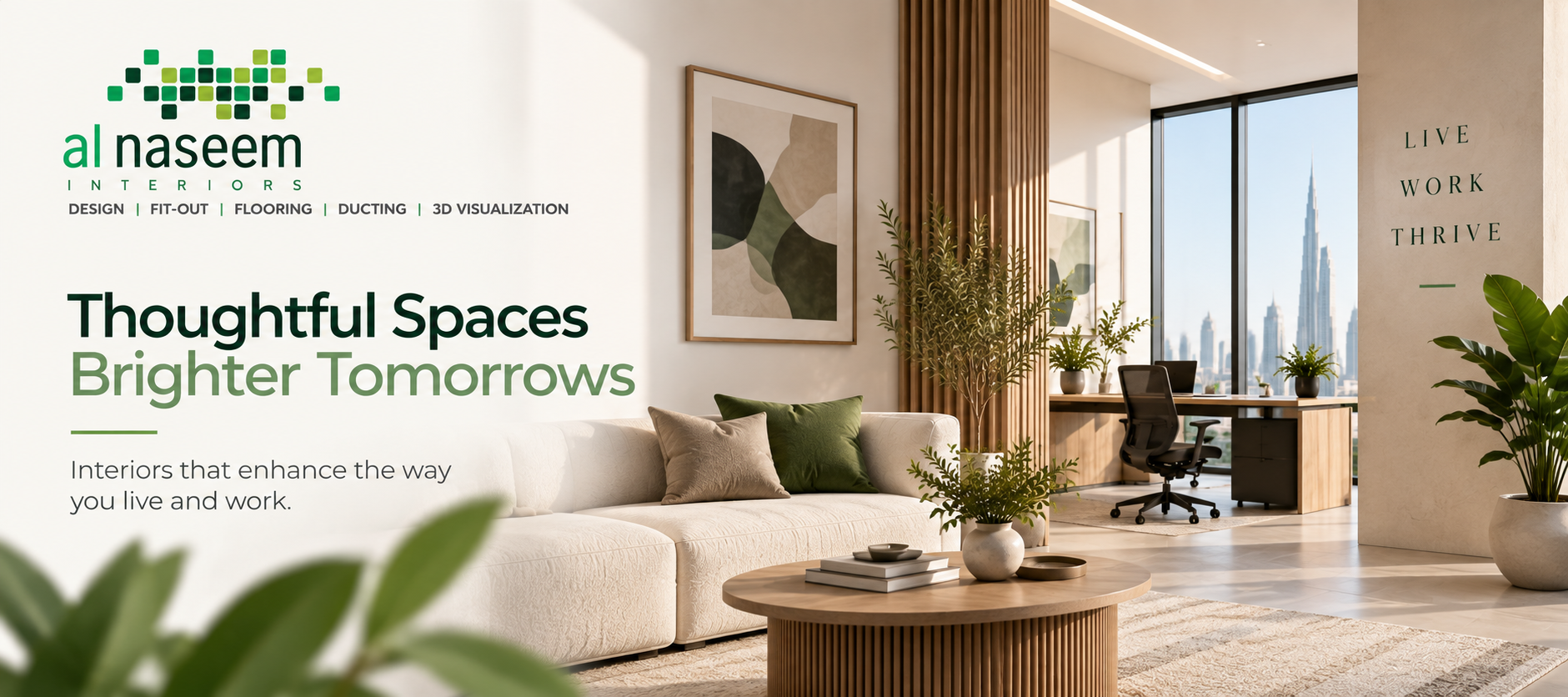
The Connection Between Design, Comfort, Productivity & Lifestyle
Interior design is about much more than choosing attractive furniture, colours, or decorative elements. The spaces around us can influence how we feel, how we work, how we interact with others, and even how comfortably we move through our daily routines.
Whether it is a home, office, retail space, or hospitality environment, thoughtful interior design can turn an ordinary space into one that supports the way people actually live and work.
Design That Works Around People
A well-designed interior begins with understanding the people who use it.
At home, we need spaces that encourage relaxation, connection, privacy, and everyday convenience. In the workplace, employees need environments that support concentration, collaboration, creativity, and communication.
This is where functional interior design becomes important. The right layout, lighting, furniture, storage, materials, and circulation can make a space easier and more comfortable to use.
Good design doesn't simply make a room look better—it makes the room work better.
Comfort Can Influence How We Feel
Comfort plays an important role in our experience of a space.
Natural light, appropriate furniture, comfortable temperatures, good ventilation, acoustic control, and thoughtful spatial planning can contribute to a more pleasant environment.
For residential interiors, this can create a sense of calm and belonging. In offices, comfortable workstations, suitable lighting, breakout areas, and quiet zones can help employees feel more at ease throughout the working day.
When people are comfortable in their surroundings, they can spend less energy adapting to the space and more energy focusing on what matters.
The Link Between Interior Design and Productivity
Productivity is not only about technology, deadlines, or management. The physical environment can also influence how efficiently people work.
An effective office interior can provide a balance between focused work and collaboration. Open areas can encourage communication, while private rooms or quiet zones can support tasks that require concentration.
Similarly, organised home interiors can make everyday activities easier. Smart storage, clearly defined areas, ergonomic furniture, and efficient layouts can reduce unnecessary clutter and create a more functional living environment.
The goal is not to create a space that looks busy or impressive. It is to create a space that supports the activities taking place inside it.
Interior Design and Modern Lifestyle
Our lifestyles are constantly changing, and our interiors need to change with them.
Homes today may need to accommodate working from home, studying, entertaining guests, exercising, relaxing, and spending time with family—all within the same property.
Modern workplaces are also becoming more flexible. Employees may move between individual workstations, meeting rooms, collaborative areas, and informal spaces throughout the day.
Flexible interior design allows spaces to adapt to these changing needs rather than forcing people to adapt to a rigid environment.
Small Design Decisions Can Make a Big Difference
Transforming a space does not always require a complete renovation.
Simple improvements can have a noticeable impact:
-
Better lighting can make a room feel brighter and more welcoming.
-
Ergonomic furniture can improve everyday comfort.
-
Smart storage can reduce clutter and improve organisation.
-
Natural materials and greenery can add warmth and visual interest.
-
Acoustic solutions can help create quieter, more focused environments.
-
Thoughtful colour choices can influence the atmosphere of a space.
-
Efficient layouts can improve movement and make better use of available space.
The most successful interiors are often the ones where aesthetics and functionality work together.
Designing Spaces for Better Living and Working
Interior design should ultimately be about people.
A beautiful space may capture attention, but a well-planned space creates a lasting experience. When design considers comfort, functionality, productivity, personal preferences, and lifestyle, the result can be an environment that genuinely improves everyday life.
Whether you are planning a residential interior, a corporate office, a retail environment, or a hospitality project, the right design approach can help you make better use of your space while creating an environment that feels purposeful and welcoming.
Final Thought
Good interior design doesn't just change how a space looks—it can change how people experience it.
When comfort, functionality, aesthetics, and lifestyle come together, interiors become more than physical surroundings. They become spaces that support better living, better working, and better everyday experiences.
Al Naseem Interiors
📍 Office Address:
704/D, 7th Floor, Aspin Commercial Tower, Sheikh Zayed Road, Dubai, UAE
📞 Phone:
+971 55 721 6133
✉️ Email:
Info@alnaseeminterior.com
🌐 Website:
https://alnaseeminterior.com/