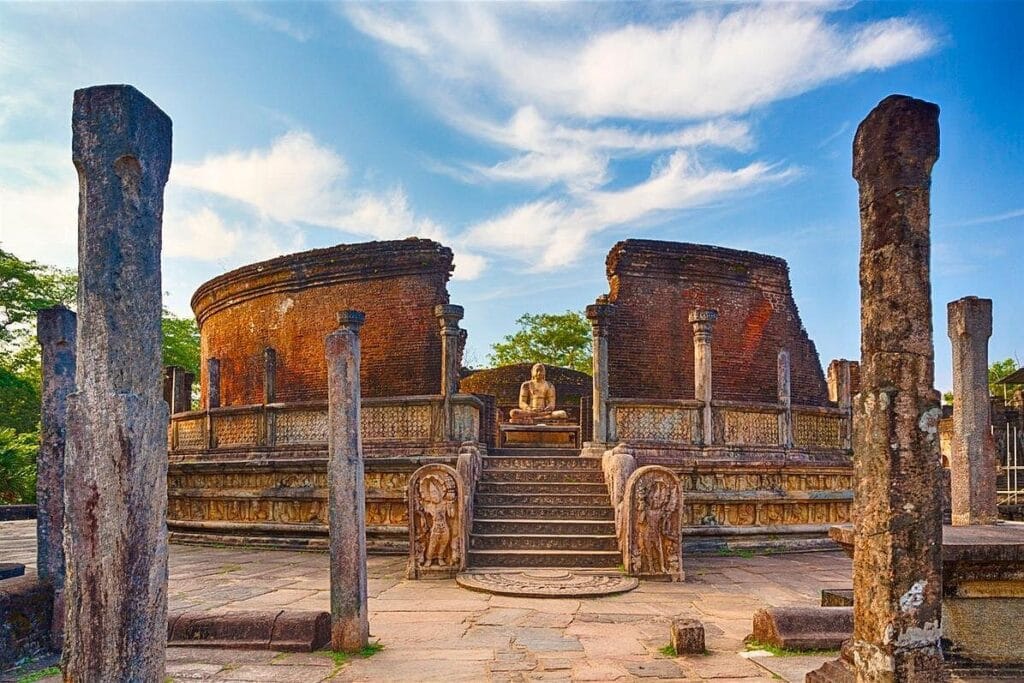
Polonnaruwa, Sri Lanka – The Timeless Medieval Kingdom of Grandeur and Heritage
Discover Polonnaruwa: Where Royal History, Ancient Engineering, and Sacred Heritage Live On
Polonnaruwa, a UNESCO World Heritage Site and one of Sri Lanka’s most remarkable ancient cities, stands as a powerful symbol of the island’s medieval golden age. Located in the North Central Province, Polonnaruwa served as the second ancient capital of Sri Lanka after Anuradhapura, flourishing between the 11th and 13th centuries under powerful kings such as King Parakramabahu I.
Today, Polonnaruwa is one of the best-preserved archaeological sites in South Asia, attracting historians, archaeologists, pilgrims, and travelers from around the world. Its extraordinary ruins, stone sculptures, royal palaces, irrigation systems, and sacred temples tell the story of a highly advanced civilization that mastered architecture, governance, agriculture, and water management centuries ahead of its time.
Polonnaruwa offers visitors a rare journey into Sri Lanka’s medieval past, where history is not confined to museums but exists openly across vast landscapes of ancient stone cities and sacred monuments.
Why Polonnaruwa is One of Sri Lanka’s Greatest Ancient Cities
Polonnaruwa represents the pinnacle of Sri Lanka’s medieval civilization and is widely regarded as one of the most sophisticated ancient urban centers in Asia.
It is known for:
-
UNESCO World Heritage ancient city status
-
The medieval capital of Sri Lanka (11th–13th century)
-
Advanced irrigation and hydraulic engineering systems
-
Remarkable stone carvings and Buddhist monuments
-
Royal palace complexes and administrative structures
-
Well-preserved archaeological ruins
-
Strong Buddhist cultural and spiritual heritage
-
Historical significance of King Parakramabahu I
The city reflects a period of great prosperity, innovation, and artistic achievement in Sri Lankan history.
Top Places to Visit in Polonnaruwa
Gal Vihara
One of Sri Lanka’s most iconic archaeological sites, Gal Vihara features four magnificent Buddha statues carved from a single granite rock, showcasing exceptional artistry and spiritual expression.
Royal Palace of King Parakramabahu
Once a seven-story grand structure, the royal palace complex highlights the architectural brilliance and royal lifestyle of medieval Sri Lanka.
Parakrama Samudra (Sea of Parakrama)
A monumental ancient reservoir built by King Parakramabahu I, it remains a masterpiece of hydraulic engineering and water management.
Vatadage
A beautifully preserved circular relic house that represents one of the finest examples of ancient Sri Lankan architecture.
Rankoth Vehera
One of the largest stupas in Polonnaruwa, built in the style of Anuradhapura stupas but reflecting Polonnaruwa’s unique architectural identity.
Lankatilaka Image House
A towering brick structure that once housed a massive Buddha statue, showcasing the grandeur of medieval religious architecture.
Kiri Vihara
A white stupa known for its well-preserved structure and spiritual importance.
Ancient Engineering and Civilizational Excellence
Mastery of Water Management
Polonnaruwa is famous for its advanced irrigation systems, especially the Parakrama Samudra, which ensured agricultural prosperity in the dry zone.
Architectural Innovation
Stone temples, Buddha statues, and royal structures demonstrate exceptional craftsmanship and durability.
Planned Urban Design
The city reflects organized zoning for religious, administrative, and residential purposes, highlighting sophisticated urban planning.
Culture and Heritage of Polonnaruwa
Royal Medieval Capital
Polonnaruwa became Sri Lanka’s capital after the fall of Anuradhapura and flourished as a powerful political and cultural center.
Buddhist Spiritual Influence
The city is deeply connected to Theravada Buddhism, with numerous stupas, image houses, and monastic complexes.
Artistic Legacy
Stone sculptures, inscriptions, and architectural designs reflect a highly developed artistic tradition.
Festivals and Cultural Observances
Key cultural and religious events include:
-
Vesak Festival
-
Poson Festival
-
Sinhala and Tamil New Year
-
Full Moon Poya Days
-
Pilgrimage seasons
Nature and Surroundings
Scenic Dry Zone Landscape
Polonnaruwa is surrounded by dry-zone forests, reservoirs, and wildlife-rich environments.
Wildlife Encounters
The region is home to elephants, monkeys, deer, and diverse bird species, often seen near ancient ruins.
Peaceful Heritage Environment
The open archaeological park setting allows visitors to explore history in a calm, natural atmosphere.
Business and Tourism Opportunities in Polonnaruwa
Polonnaruwa is steadily growing as a heritage and eco-tourism destination with expanding investment potential.
Cultural Tourism
High demand exists for:
-
Heritage tours
-
Archaeological guide services
-
Educational tourism
-
Pilgrimage travel packages
Eco-Tourism Development
Opportunities include:
-
Nature lodges
-
Wildlife-focused tourism
-
Sustainable travel experiences
Agriculture and Irrigation Economy
The region supports:
-
Rice cultivation
-
Paddy-based agriculture
-
Irrigation-dependent farming systems
-
Agro-based industries
Hospitality Growth
Increasing visitor numbers create opportunities for:
-
Hotels and guesthouses
-
Eco-resorts
-
Cultural accommodations
Lifestyle in Polonnaruwa
Cost of Living
Polonnaruwa offers an affordable and peaceful lifestyle with strong community values.
Education
The region provides access to schools and educational institutions supporting local development.
Healthcare
Basic healthcare services are available through hospitals and clinics in the district.
Transportation
Polonnaruwa is connected via:
-
Road networks linking major cities
-
Railway access through regional stations
-
Bus services across Sri Lanka
-
Access to cultural triangle tourist routes
Community and Safety
The city is known for its calm environment, cultural pride, and strong historical identity.
Climate and Best Time to Visit
Polonnaruwa experiences a warm dry-zone climate throughout the year.
The best time to visit is:
-
November to March (cooler and more comfortable for exploration)
-
Early morning or late afternoon for archaeological visits
Sun protection and hydration are recommended due to open-site exposure.
Why Polonnaruwa Stands Out
Polonnaruwa is one of the most extraordinary archaeological destinations in Asia because it preserves an entire medieval city in remarkable condition.
It stands out for:
-
Its perfectly preserved ancient ruins
-
Masterpieces like Gal Vihara
-
Advanced ancient engineering systems
-
Deep Buddhist heritage
-
Open-air archaeological landscape
Few places in the world allow visitors to walk so freely through a complete ancient kingdom.
Conclusion
Polonnaruwa is more than an ancient city—it is a living museum of Sri Lanka’s medieval greatness. From majestic stone carvings and royal palaces to vast reservoirs and sacred stupas, every structure reflects a civilization that once stood at the height of innovation, spirituality, and cultural achievement.
For travelers, historians, and cultural explorers, Polonnaruwa offers an unforgettable journey into a world where history is not preserved behind glass, but stretches across an entire landscape of timeless wonder.