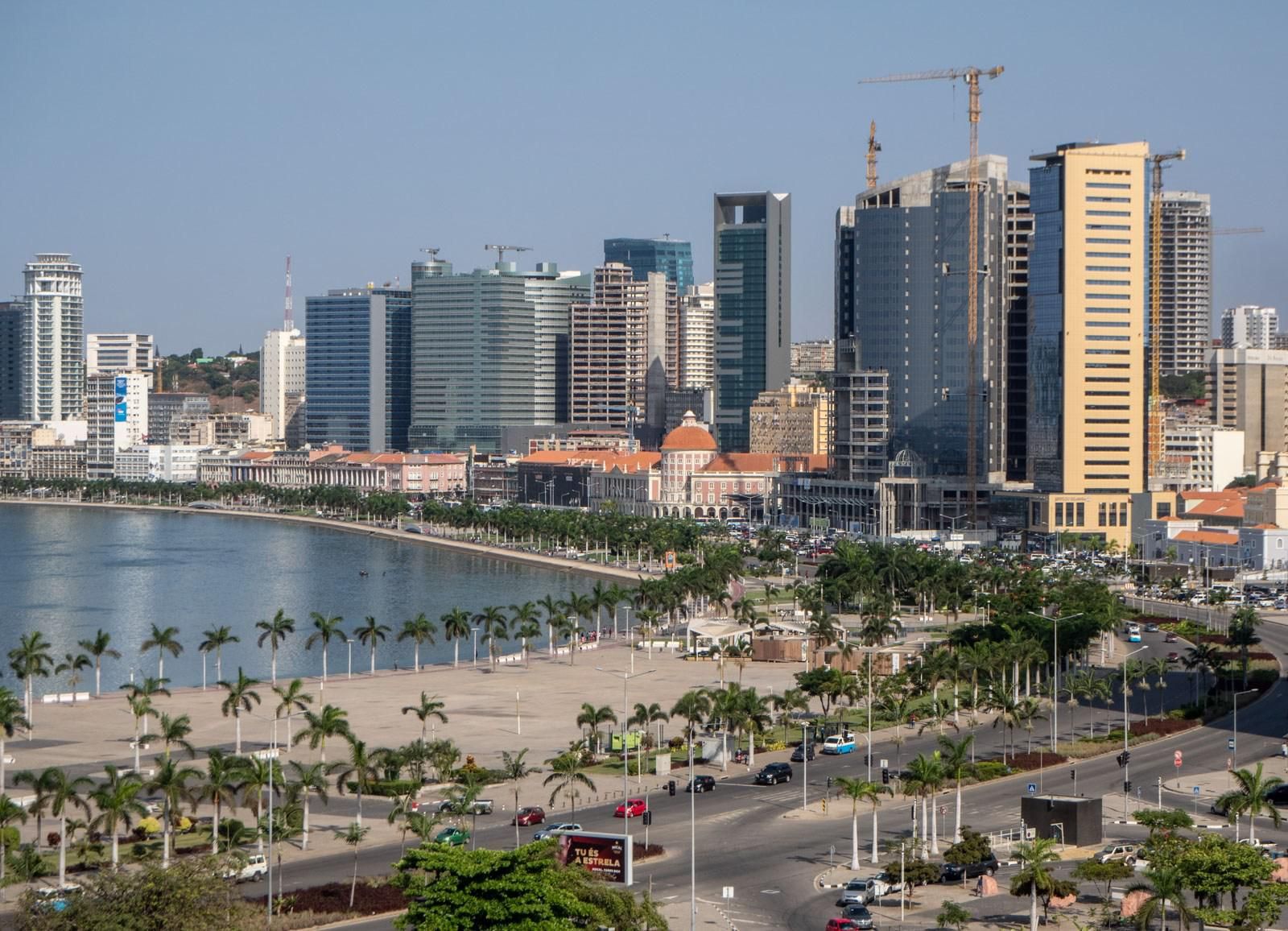
Luanda, Angola: The Vibrant Atlantic Capital of Business, Culture, and Opportunity
Luanda, the capital and largest city of Angola, is a major economic and cultural centre on the Atlantic coast of Southern Africa. Founded by the Portuguese in 1576, the city has grown from a historic colonial settlement into a modern metropolitan area and an important hub for energy, finance, trade, construction, telecommunications, tourism, and international business.
Located along the Atlantic Ocean, Luanda combines historic neighbourhoods, modern commercial districts, beautiful coastal scenery, Portuguese-influenced architecture, and vibrant Angolan culture. The city is also the country's principal gateway for international trade and investment.
Angola's abundant natural resources, young population, expanding infrastructure, and efforts to diversify its economy create opportunities for entrepreneurs, investors, technology companies, tourism businesses, and international organisations.
Overview of Luanda
Luanda is Angola's political, administrative, financial, and commercial capital.
Quick Facts
-
Country: Angola
-
Capital: Luanda
-
Population: More than 8 million in the metropolitan area
-
Location: Atlantic coast of west-central Africa
-
Time Zone: West Africa Time (WAT, UTC+1)
-
Official Language: Portuguese
-
Currency: Angolan Kwanza (AOA)
-
Climate: Tropical semi-arid climate, with a relatively dry season and warmer rainy season
-
Major Industries: Oil and Gas, Mining, Construction, Financial Services, Telecommunications, Agriculture, Manufacturing, Logistics, Tourism, Retail
History and Cultural Heritage
Luanda was founded in 1576 by Portuguese explorer Paulo Dias de Novais and became an important Portuguese trading and administrative centre.
Angola gained independence from Portugal in 1975. Since then, Luanda has experienced significant population growth and extensive reconstruction and infrastructure development.
The city's heritage reflects African traditions alongside Portuguese architectural and cultural influences. Historic districts such as the Cidade Alta and Baixa de Luanda provide insight into the city's long and complex history.
A Rich and Diverse Culture
Luanda is one of the major cultural centres of the Lusophone African world.
The city is known for:
-
Semba music
-
Kizomba dance
-
Traditional Angolan music
-
Contemporary African art
-
Portuguese-influenced architecture
-
Handcrafted products
-
Fashion
-
Literature
-
Theatre
-
Cultural festivals
Angolan music and dance have achieved international recognition, with Luanda playing a major role in their development.
Famous Tourist Attractions
1. Fortaleza de São Miguel
A historic Portuguese fortress overlooking Luanda and the Atlantic Ocean. It now houses important historical displays and offers impressive views of the city.
2. Ilha de Luanda
A narrow coastal peninsula known for beaches, restaurants, cafés, nightlife, and ocean views.
3. National Museum of Anthropology
An important museum showcasing Angola's ethnic diversity, traditional culture, crafts, music, and history.
4. Agostinho Neto Mausoleum
A major landmark dedicated to Agostinho Neto, Angola's first president and an important figure in the country's independence movement.
5. Marginal de Luanda
A scenic waterfront boulevard offering views of the Atlantic Ocean and modern Luanda. It is popular for walking, photography, recreation, and events.
6. National Museum of Slavery
Located near Luanda, the museum documents Angola's history and its connection to the transatlantic slave trade.
7. Igreja de Nossa Senhora dos Remédios
A historic church in central Luanda, known for its distinctive Portuguese colonial architecture.
8. Talatona
A modern district featuring business centres, hotels, shopping facilities, restaurants, residential developments, and international institutions.
9. Mussulo Island
A popular coastal destination south of Luanda, known for beaches, water activities, resorts, and relaxed weekend experiences.
10. Kissama National Park
Located outside Luanda, this major wildlife reserve offers opportunities to see elephants, giraffes, antelopes, sea turtles, and diverse birdlife.
Natural Beauty and Outdoor Activities
Luanda's Atlantic location provides opportunities for coastal recreation and tourism.
Popular activities include:
-
Beach visits
-
Boat trips
-
Fishing
-
Water sports
-
Photography
-
Cultural tours
-
Wildlife viewing
-
Bird watching
-
Nature excursions
-
Eco-tourism
Nearby destinations include:
-
Mussulo Island
-
Kissama National Park
-
Cabo Ledo
-
Miradouro da Lua
-
Atlantic coastal beaches
Food and Culinary Scene
Luanda offers a diverse culinary experience influenced by Portuguese and traditional Angolan cuisine.
Popular Angolan dishes include:
-
Muamba de galinha
-
Calulu
-
Funge
-
Mufete
-
Grilled seafood
-
Cassava-based dishes
-
Beans with palm oil
-
Fresh tropical fruits
-
Portuguese pastries
-
African-style grilled meats
The city also offers Portuguese, Brazilian, Lebanese, Indian, Chinese, Italian, and other international cuisines.
Economy and Business Environment
Luanda is the centre of Angola's economy and hosts many major national and international companies.
Key sectors include:
-
Oil and Gas
-
Mining
-
Construction
-
Financial Services
-
Telecommunications
-
Retail
-
Logistics
-
Agriculture
-
Manufacturing
-
Real Estate
-
Tourism
The country's ongoing efforts to diversify beyond oil are creating new opportunities for private-sector development.
Business Opportunities in Luanda
Oil and Energy
Angola is a major oil-producing country, creating opportunities in:
-
Oilfield services
-
Engineering
-
Equipment supply
-
Offshore services
-
Energy technology
-
Environmental services
Mining
Angola has significant mineral resources, including:
-
Diamonds
-
Iron ore
-
Gold
-
Rare minerals
-
Industrial minerals
Opportunities exist in mining technology, processing, logistics, and equipment supply.
Agriculture and Agribusiness
Economic diversification is creating opportunities in:
-
Commercial farming
-
Food processing
-
Irrigation
-
Agricultural technology
-
Cold-chain logistics
-
Food distribution
-
Fisheries
Renewable Energy
Angola has significant potential for renewable energy development.
Investment opportunities include:
-
Solar power
-
Hydropower
-
Wind energy
-
Battery storage
-
Rural electrification
-
Energy-efficient infrastructure
Information Technology
Luanda's expanding digital economy offers opportunities in:
-
Artificial Intelligence
-
Software development
-
FinTech
-
Cybersecurity
-
Cloud computing
-
E-commerce
-
Digital payments
-
Telecommunications
Tourism and Hospitality
Luanda's coastline and Angola's natural attractions create opportunities in:
-
Hotels
-
Beach resorts
-
Eco-tourism
-
Restaurants
-
Tour operators
-
Conference tourism
-
Cultural tourism
Education
Luanda is Angola's leading educational centre.
Major institutions include:
-
Agostinho Neto University
-
Catholic University of Angola
-
Universidade Óscar Ribas
-
Higher education and technical institutes
Educational opportunities cover:
-
Engineering
-
Business
-
Medicine
-
Law
-
Economics
-
Information Technology
-
Education
-
Environmental sciences
Transportation
Luanda is Angola's primary transportation hub.
Transportation includes:
-
Dr. António Agostinho Neto International Airport
-
National highways
-
Urban buses
-
Taxis
-
Ride-hailing services
-
Rail connections
-
Port facilities
The Port of Luanda is a major maritime gateway for Angola's international trade.
Shopping Destinations
Popular shopping and commercial areas include:
-
Shopping Fortaleza
-
Belas Shopping
-
Talatona commercial district
-
Local markets
-
Handicraft markets
Visitors can purchase:
-
Traditional artwork
-
Wood carvings
-
Textiles
-
Handmade jewellery
-
African fashion
-
Paintings
-
Local crafts
-
Specialty food products
Annual Festivals and Events
Luanda hosts numerous cultural, entertainment, and business events, including:
-
Carnival of Angola
-
Luanda International Jazz Festival
-
Angolan music events
-
International business conferences
-
Trade exhibitions
-
Art exhibitions
-
Fashion events
-
Film festivals
-
Cultural celebrations
-
Sporting events
The Angolan Carnival is particularly important for celebrating the country's music, dance, costumes, and cultural heritage.
Living in Luanda
Luanda offers a dynamic urban lifestyle with significant contrasts between modern business districts and historic communities.
Residents and expatriates can enjoy:
-
Atlantic Ocean views
-
International restaurants
-
Modern shopping centres
-
Private healthcare facilities
-
International schools
-
Growing business opportunities
-
Cultural and entertainment activities
-
Expanding infrastructure
The city's large population and developing economy create opportunities for professionals, entrepreneurs, investors, and international businesses.
Why Visit Luanda?
Luanda offers something for different types of travellers.
-
Business travellers can explore Angola's expanding private sector and investment environment.
-
Culture enthusiasts can discover Angolan music, dance, art, and history.
-
Nature lovers can explore beaches, national parks, and coastal landscapes.
-
Food lovers can experience authentic Angolan and Portuguese-influenced cuisine.
-
Adventure travellers can explore Mussulo, Cabo Ledo, and Angola's spectacular coastline.
-
Investors can investigate opportunities in energy, agriculture, mining, technology, tourism, and infrastructure.
Future Growth and Emerging Opportunities
Luanda is expected to remain central to Angola's economic transformation.
Emerging sectors include:
-
Artificial Intelligence
-
Financial Technology (FinTech)
-
Renewable Energy
-
Digital Government
-
Smart Infrastructure
-
Healthcare Technology
-
Educational Technology
-
Agritech
-
Sustainable Tourism
-
Green Construction
-
Logistics Technology
-
Innovation and Research
Economic diversification, infrastructure development, digitalisation, and regional trade could create significant opportunities for local entrepreneurs and international investors.
Conclusion
Luanda is more than Angola's capital—it is a city where Atlantic coastal beauty, African culture, historic heritage, and economic ambition meet. From the historic Fortaleza de São Miguel and vibrant Ilha de Luanda to its expanding technology, energy, tourism, and business sectors, the city offers significant opportunities for travellers, entrepreneurs, students, and investors.
Whether you are discovering Angola's rich cultural heritage, exploring new business opportunities, studying in one of the country's leading institutions, or experiencing the beauty of the Atlantic coast, Luanda offers a fascinating gateway to modern Angola and the wider African market.
#Luanda #Angola #VisitAngola #VisitLuanda #TravelGuide #Africa #AfricanBusiness #BusinessOpportunities #Investment #OilAndGas #Mining #Diamonds #Agriculture #Agribusiness #RenewableEnergy #ArtificialIntelligence #InformationTechnology #FinTech #Tourism #Hospitality #Healthcare #Education #DigitalTransformation #Infrastructure #Entrepreneurship #EconomicDevelopment #CulturalHeritage #SustainableDevelopment #ExploreAfrica #LuandaCity #lowkot