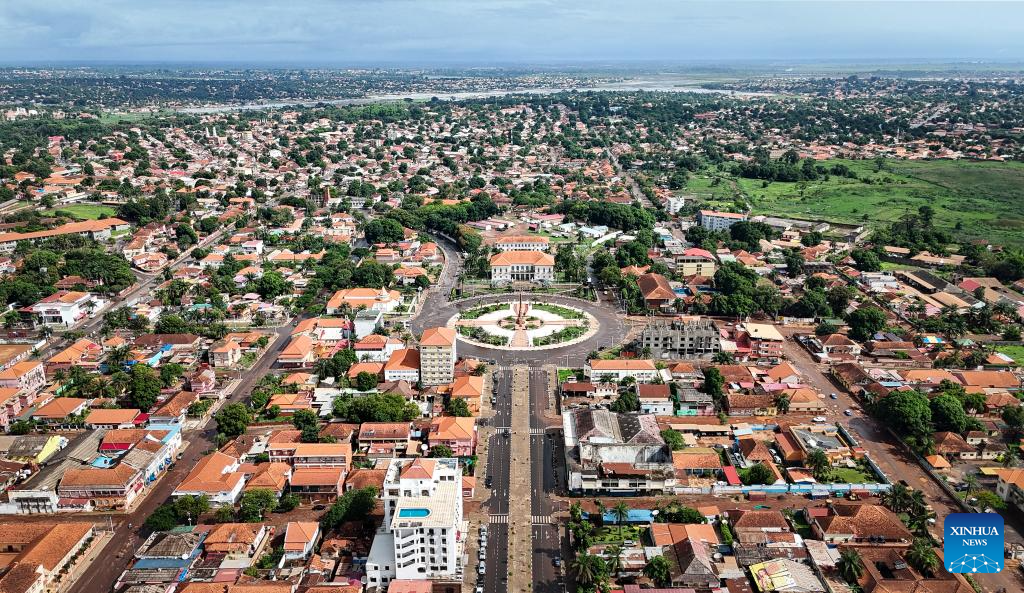
Bissau, Guinea-Bissau: The Coastal Capital of Culture, Nature, Trade, and Opportunity
Bissau is the capital and largest city of Guinea-Bissau, a small coastal country in West Africa. Located along the Gebba River estuary, Bissau is the country's political, commercial, cultural, and administrative centre.
The city has a distinctive identity shaped by West African traditions and Portuguese colonial heritage. Its historic buildings, colourful markets, traditional music, local cuisine, and proximity to Guinea-Bissau's remarkable islands and mangrove ecosystems make it an interesting destination for travellers and researchers.
Guinea-Bissau's economy is closely connected to cashew production, agriculture, fisheries, trade, and natural resources. Bissau serves as the country's main commercial and transportation hub.
## Quick Facts
| Fact | Details |
|---|---|
| Country | Guinea-Bissau 🇬🇼 |
| Capital City | Bissau |
| Region | West Africa |
| Location | Along the Gebba River estuary |
| Official Language | Portuguese |
| Widely Spoken Languages | Guinea-Bissau Creole (Kriol) and several local languages |
| Currency | West African CFA Franc (XOF) |
| Time Zone | Greenwich Mean Time (UTC+0) |
| Climate | Tropical savanna / tropical monsoon influence |
| Major Economic Activities | Agriculture, Cashew, Fisheries, Trade, Services, Forestry |
| Major Airport | Osvaldo Vieira International Airport |
| Major Natural Features | Gebba River, mangroves, Atlantic coastline, Bijagós Archipelago |
| Known For | Cashew production, Portuguese heritage, markets, music, mangroves, and islands |
History of Bissau
Bissau developed as an important settlement and trading centre along the West African coast.
The Portuguese established a permanent presence in the area during the colonial period, and Bissau eventually became the capital of Portuguese Guinea.
The city played an important role during the struggle for independence led by the African Party for the Independence of Guinea and Cape Verde (PAIGC).
Guinea-Bissau declared independence in 1973, which was recognised by Portugal in 1974.
Bissau remained the country's capital and has continued to serve as the centre of government and commerce.
A Rich and Diverse Culture
Bissau is culturally diverse, reflecting the many ethnic communities of Guinea-Bissau.
Important cultural traditions include:
-
Balanta heritage
-
Fula traditions
-
Mandinka culture
-
Papel traditions
-
Manjaco heritage
-
Bijagó culture
-
Portuguese influences
-
Creole culture
Music, dance, storytelling, traditional ceremonies, colourful clothing, and community celebrations are important parts of life.
Kriol, the local creole language, plays an important role in communication and cultural identity.
Famous Tourist Attractions
1. Fortaleza d'Amura
Fortaleza d'Amura is one of Bissau's most important historic landmarks.
The Portuguese-era fortress has played a role in the city's military and political history.
2. Presidential Palace
The Presidential Palace is one of the city's prominent administrative and architectural landmarks.
3. Bissau Velho
The Bissau Velho district contains historic colonial-era buildings and streets.
It provides an opportunity to explore the city's architectural heritage.
4. Bissau Bandim Market
One of the largest and busiest markets in the capital.
Visitors can find:
-
Fruits
-
Vegetables
-
Clothing
-
Fabrics
-
Household goods
-
Food products
-
Local crafts
The market provides a lively view of everyday economic life in Bissau.
5. Amílcar Cabral Mausoleum
The mausoleum commemorates Amílcar Cabral, one of the most important figures in Guinea-Bissau's independence movement.
6. National Ethnographic Museum
The museum provides insight into the country's ethnic communities, traditional objects, crafts, and cultural heritage.
7. Porto Pidjiguiti
The port area is historically important to Guinea-Bissau and represents the city's connection with maritime trade.
Natural Beauty Around Bissau
Guinea-Bissau is particularly famous for its wetlands, mangroves, forests, coastline, and islands.
The Bijagós Archipelago, located off the country's Atlantic coast, is one of the most important natural destinations.
The region offers opportunities for:
-
Wildlife observation
-
Bird watching
-
Fishing
-
Boat trips
-
Island tourism
-
Photography
-
Eco-tourism
-
Cultural experiences
Guinea-Bissau's coastal ecosystems are especially valuable for biodiversity.
Food and Culinary Scene
Bissau's cuisine combines West African traditions with Portuguese influences.
Popular foods include:
-
Jollof-style rice
-
Fish
-
Grilled seafood
-
Chicken
-
Cashew-based dishes
-
Rice and sauces
-
Cassava
-
Plantains
-
Sweet potatoes
-
Beans
-
Fresh tropical fruits
Cashews are particularly important to Guinea-Bissau's economy and food culture.
Economy and Business Environment
Bissau is the country's primary economic and commercial centre.
Major sectors include:
-
Agriculture
-
Cashew production
-
Fisheries
-
Trade
-
Transportation
-
Retail
-
Construction
-
Services
-
Forestry
-
Public administration
Guinea-Bissau is internationally known for its cashew nut production, making the cashew value chain one of the country's most important economic activities.
Business Opportunities in Bissau
1. Cashew and Agribusiness
Cashew is at the centre of Guinea-Bissau's export economy.
Opportunities include:
-
Cashew processing
-
Packaging
-
Storage
-
Export logistics
-
Cashew-based food products
-
Agricultural equipment
-
Farmer support services
-
Quality control
-
Agro-processing
Developing more local processing could help the country capture greater value from its cashew industry.
2. Agriculture
Other agricultural opportunities include:
-
Rice
-
Cassava
-
Maize
-
Fruits
-
Vegetables
-
Palm products
-
Livestock
-
Poultry
-
Food processing
Modern irrigation, storage, agricultural machinery, and supply-chain systems could improve productivity.
3. Fisheries and Aquaculture
Guinea-Bissau has significant marine and coastal resources.
Potential opportunities include:
-
Sustainable fishing
-
Fish processing
-
Cold storage
-
Seafood exports
-
Aquaculture
-
Fishing equipment
-
Marine logistics
Sustainable management is essential to protect marine ecosystems and fishing communities.
4. Eco-Tourism
The country's islands, mangroves, forests, wildlife, and traditional communities create opportunities in:
-
Eco-lodges
-
Boat tours
-
Wildlife tourism
-
Bird watching
-
Cultural tourism
-
Sustainable fishing tourism
-
Heritage tourism
5. Renewable Energy
Expanding reliable energy access creates opportunities in:
-
Solar power
-
Mini-grids
-
Off-grid systems
-
Battery storage
-
Solar irrigation
-
Solar-powered refrigeration
-
Clean cooking
-
Energy-efficient buildings
6. Logistics and Trade
Bissau's port and position on the Atlantic create opportunities in:
-
Warehousing
-
Freight forwarding
-
Transportation
-
Cold-chain logistics
-
Export services
-
Supply-chain technology
-
Packaging
Education
Bissau is the country's principal educational centre.
Important institutions include:
-
Universidade Amílcar Cabral
-
Universidade Lusófona da Guiné
-
Technical and vocational institutions
-
Teacher-training institutions
-
Professional schools
Education and vocational training are particularly important for developing skills in:
-
Agriculture
-
Business
-
Healthcare
-
Engineering
-
Technology
-
Logistics
-
Public administration
Transportation
Bissau is Guinea-Bissau's main transportation hub.
Transportation includes:
-
Shared taxis
-
Minibuses
-
Private vehicles
-
Motorcycles
-
Boats
-
Regional road connections
Osvaldo Vieira International Airport provides international air connections.
The city's port infrastructure is also important for the country's trade and export economy.
Shopping and Local Markets
Bissau has a lively market culture.
Popular purchases include:
-
Cashews
-
Traditional fabrics
-
Clothing
-
Jewellery
-
Wooden crafts
-
Baskets
-
Local food products
-
Handmade souvenirs
The Bandim Market is particularly important for local commerce.
Cultural Events and Festivals
Bissau's cultural calendar includes:
-
Carnival celebrations
-
Music events
-
Traditional ceremonies
-
Cultural festivals
-
Art exhibitions
-
Independence celebrations
-
Community events
-
Food and craft activities
The city's carnival is particularly notable for colourful costumes, music, dance, and cultural performances.
Living in Bissau
Bissau is a relatively compact capital compared with many other West African cities.
The city offers:
-
Markets
-
Restaurants
-
Hotels
-
Schools
-
Hospitals
-
Government offices
-
Local businesses
-
Cultural institutions
Important urban priorities include:
-
Reliable electricity
-
Clean water
-
Waste management
-
Roads
-
Public transportation
-
Healthcare
-
Housing
-
Digital connectivity
Why Visit Bissau?
Bissau offers travellers an opportunity to experience a less-touristed side of West Africa.
-
History lovers can explore Portuguese-era buildings and independence landmarks.
-
Culture enthusiasts can discover local music, dance, languages, crafts, and traditions.
-
Nature lovers can explore mangroves and the Bijagós Archipelago.
-
Food lovers can enjoy seafood, rice dishes, tropical fruits, and cashew products.
-
Eco-tourists can explore the country's extraordinary coastal ecosystems.
Future Growth and Emerging Opportunities
Bissau has potential for economic development across several emerging industries.
Important sectors include:
-
Agritech
-
Food processing
-
Renewable energy
-
Eco-tourism
-
Fisheries technology
-
Cold-chain logistics
-
E-commerce
-
FinTech
-
Digital education
-
HealthTech
-
Sustainable construction
-
Logistics technology
Investment in infrastructure, skills development, energy, digital connectivity, and agricultural processing could help accelerate economic growth.
Sustainable Development Opportunities
Bissau's future is closely connected to the protection of its natural environment.
Important opportunities include:
-
Mangrove conservation
-
Sustainable fisheries
-
Climate-smart agriculture
-
Solar energy
-
Waste management
-
Coastal protection
-
Eco-tourism
-
Sustainable forestry
-
Water management
-
Biodiversity conservation
Protecting the Bijagós Archipelago and coastal ecosystems can support both environmental conservation and sustainable economic development.
Bissau as a Gateway to Guinea-Bissau
Bissau is the country's main gateway for:
-
International trade
-
Government
-
Tourism
-
Investment
-
Education
-
Development organisations
-
Agriculture
-
Fisheries
-
Logistics
Its Atlantic position also gives it potential for greater integration into regional and international supply chains.
Conclusion
Bissau is more than the capital of Guinea-Bissau—it is a city where Portuguese history, West African traditions, tropical nature, and economic opportunity come together.
From the historic streets of Bissau Velho and Fortaleza d'Amura to Bandim Market and the remarkable Bijagós Archipelago, the city and its surrounding region offer a unique cultural and natural experience.
The greatest future opportunities are likely to emerge in cashew processing, agriculture, fisheries, eco-tourism, renewable energy, logistics, food processing, technology, and sustainable development.
For travellers, entrepreneurs, investors, researchers, and international organisations, Bissau provides an important gateway to Guinea-Bissau and the wider West African region.
#Bissau #GuineaBissau #VisitGuineaBissau #VisitBissau #WestAfrica #AfricanBusiness #BusinessOpportunities #Investment #GuineanCulture #AfricanHistory #PortugueseHeritage #AtlanticCoast #BijagosArchipelago #EcoTourism #Tourism #Cashew #CashewBusiness #Agriculture #Agribusiness #FoodProcessing #Fisheries #Aquaculture #RenewableEnergy #SolarEnergy #Logistics #PortOfBissau #Technology #FinTech #Agritech #ArtificialIntelligence #Education #Healthcare #Construction #DigitalTransformation #Entrepreneurship #EconomicDevelopment #SustainableDevelopment #MangroveConservation #ClimateResilience #ExploreAfrica #GuineaBissauBusiness #FutureAfrica #lowkot