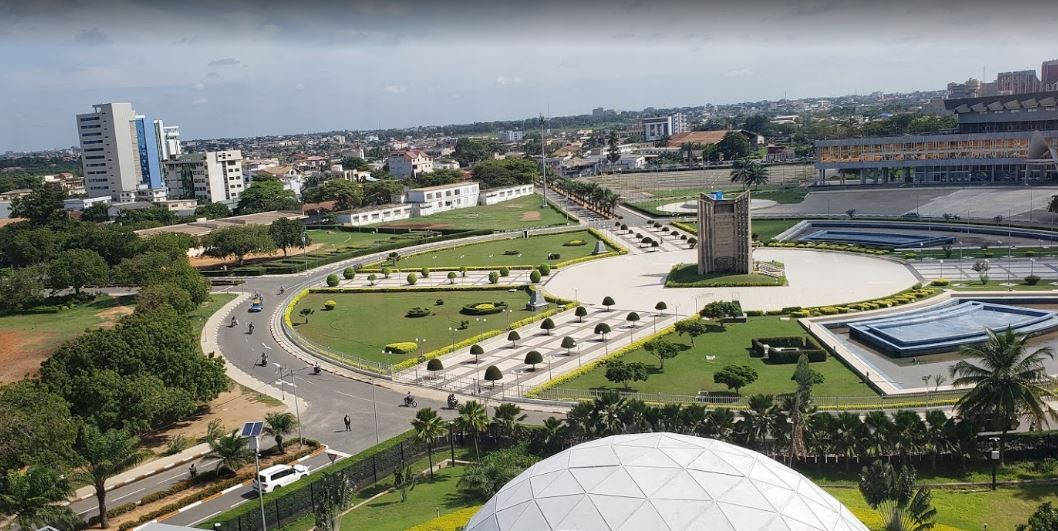
Lomé, Togo: The Coastal Capital of Trade, Culture, and West African Opportunity
Lomé is the capital and largest city of Togo, located along the Gulf of Guinea in West Africa. As the country's political, economic, cultural, and commercial centre, Lomé plays an important role in regional trade and connects Togo with neighbouring countries including Ghana and Benin.
The city combines Atlantic beaches, colonial-era architecture, traditional markets, modern commercial districts, vibrant nightlife, and a strong West African cultural identity.
Lomé is particularly important as a port city. The Port of Lomé serves as a major maritime gateway and supports trade not only for Togo but also for landlocked countries in the wider West African region.
Quick Facts
| Fact | Details |
|---|---|
| Country | Togo 🇹🇬 |
| Capital City | Lomé |
| Region | West Africa |
| Location | Gulf of Guinea, southern Togo |
| Population | More than 2 million in the wider metropolitan area |
| Official Language | French |
| Widely Spoken Languages | Ewe, Mina, Kabiyé, and other local languages |
| Currency | West African CFA Franc (XOF) |
| Time Zone | Greenwich Mean Time (UTC+0) |
| Climate | Tropical coastal climate |
| Major Economic Activities | Port Trade, Commerce, Agriculture, Manufacturing, Logistics, Services, Tourism |
| Major Port | Port of Lomé |
| Main Airport | Lomé–Tokoin International Airport |
| Neighbouring Countries | Ghana, Benin, Burkina Faso |
| Known For | Beaches, markets, trade, crafts, Voodoo heritage, and coastal culture |
History of Lomé
Lomé developed from settlements established by the Ewe people and became increasingly important as a centre for regional and coastal trade.
European merchants became active along the coast during the 19th century, particularly in the trade of commodities such as palm products.
Togo later became a German colony before coming under French administration following the First World War.
Togo gained independence in 1960, with Lomé continuing as the country's capital.
The city's history can still be seen in its architecture, markets, cultural institutions, and coastal neighbourhoods.
A Rich and Diverse Culture
Lomé is one of the cultural centres of the Gulf of Guinea.
Its cultural identity reflects:
-
Ewe traditions
-
Mina culture
-
Kabiyé heritage
-
Traditional religion
-
Christianity
-
Islam
-
West African music
-
Dance
-
Fashion
-
Sculpture
-
Textile production
-
Contemporary art
Traditional spiritual practices, including forms of Vodun, remain an important part of Togo's cultural heritage.
Famous Tourist Attractions
1. Grand Marché de Lomé
One of the city's most famous markets, offering:
-
Fabrics
-
Clothing
-
Food
-
Jewellery
-
Spices
-
Crafts
-
Household goods
It is an excellent place to experience everyday commercial life in Lomé.
2. Lomé Cathedral
A prominent religious and architectural landmark located near the centre of the city.
Its Gothic-inspired architecture reflects part of Togo's colonial-era heritage.
3. National Museum of Togo
The museum presents aspects of Togolese history, traditional culture, crafts, clothing, and archaeological heritage.
4. Monument de l'Indépendance
The Independence Monument commemorates Togo's independence and is one of Lomé's major national landmarks.
5. Monument de la Colombe de la Paix
A prominent symbol of peace and national identity.
6. Akodessewa Fetish Market
One of Lomé's most unusual cultural attractions, associated with traditional spiritual practices and herbal medicine.
Visitors interested in anthropology and cultural history can learn about traditional beliefs and practices.
7. Lomé Beach
The city's Atlantic coastline provides opportunities for:
-
Walking
-
Relaxation
-
Photography
-
Seafood
-
Beach activities
-
Watching the sunset
8. Independence Square
An important civic space connected with national celebrations and public events.
9. Artisan Villages and Craft Centres
Visitors can discover:
-
Wood carvings
-
Paintings
-
Textiles
-
Jewellery
-
Sculptures
-
Traditional crafts
Natural Beauty and Outdoor Activities
Lomé's location along the Gulf of Guinea provides a strong coastal identity.
Popular activities include:
-
Beach visits
-
Swimming where conditions permit
-
Photography
-
Fishing
-
Boat excursions
-
Cycling
-
Cultural tours
-
Market exploration
-
Eco-tourism
The wider coastal region also includes lagoons, wetlands, palm landscapes, and traditional fishing communities.
Food and Culinary Scene
Lomé offers a diverse West African food culture.
Popular Togolese dishes include:
-
Fufu
-
Akoumé
-
Ablo
-
Grilled fish
-
Grilled chicken
-
Goat meat
-
Beans
-
Fried plantain
-
Cassava
-
Spicy sauces
-
Fresh tropical fruits
Street food is an important part of Lomé's culinary culture, while restaurants offer Togolese, Ghanaian, French, Lebanese, Chinese, Indian, and other international cuisines.
Economy and Business Environment
Lomé is the economic heart of Togo.
Major sectors include:
-
Port and Maritime Trade
-
Logistics
-
Agriculture
-
Manufacturing
-
Retail
-
Construction
-
Financial Services
-
Telecommunications
-
Tourism
-
Transport
The Port of Lomé is particularly important because of its deep-water facilities and its role in regional trade.
Lomé also serves as a commercial gateway for parts of the wider West African market.
Business Opportunities in Lomé
1. Logistics and International Trade
Lomé's port creates opportunities in:
-
Freight forwarding
-
Warehousing
-
Shipping services
-
Customs services
-
Transportation
-
Cold-chain logistics
-
Supply-chain technology
-
Distribution
2. Agriculture and Agribusiness
Togo's agricultural sector offers opportunities in:
-
Food processing
-
Coffee
-
Cocoa
-
Cotton
-
Cassava
-
Maize
-
Soybeans
-
Poultry
-
Fisheries
-
Agritech
Value-added food processing could provide significant opportunities for entrepreneurs.
3. Renewable Energy
Lomé and the wider country have opportunities in:
-
Solar power
-
Solar irrigation
-
Battery storage
-
Mini-grids
-
Energy-efficient buildings
-
Clean cooking
-
Waste-to-energy
4. Information Technology
Digital growth is creating opportunities in:
-
FinTech
-
Mobile payments
-
E-commerce
-
Artificial Intelligence
-
Software development
-
Cybersecurity
-
Digital government
-
Online education
5. Real Estate and Construction
Urban expansion creates demand for:
-
Residential buildings
-
Commercial properties
-
Hotels
-
Office spaces
-
Construction materials
-
Property management
-
Urban infrastructure
6. Tourism and Hospitality
Lomé's coastal location and cultural heritage create opportunities in:
-
Hotels
-
Restaurants
-
Beach tourism
-
Cultural tourism
-
Tour operators
-
Event management
-
Eco-tourism
-
Business tourism
Education
Lomé is Togo's principal educational centre.
Major institutions include:
-
University of Lomé
-
University of Science and Technology of Togo
-
Private universities
-
Technical colleges
-
Vocational training institutions
Important fields include:
-
Business
-
Engineering
-
Medicine
-
Law
-
Economics
-
Agriculture
-
Information Technology
-
Education
-
Environmental sciences
Transportation
Lomé is Togo's principal transportation hub.
Transportation options include:
-
Lomé–Tokoin International Airport
-
Port of Lomé
-
National highways
-
Taxis
-
Motorcycle taxis
-
Minibuses
-
Private vehicles
-
Intercity buses
The city's location near both Ghana and Benin makes it strategically important for cross-border commerce.
Shopping and Local Markets
Lomé is famous for its markets and textile trade.
Popular shopping areas include:
-
Grand Marché
-
Akodessewa Market
-
Artisan markets
-
Local food markets
-
Modern shopping centres
Visitors can purchase:
-
Traditional fabrics
-
Wax prints
-
Jewellery
-
Wooden sculptures
-
Paintings
-
Handmade baskets
-
Clothing
-
Local food products
Cultural Events and Festivals
Lomé hosts numerous cultural and community events.
These may include:
-
Traditional festivals
-
Vodun-related cultural celebrations
-
Music festivals
-
Fashion events
-
Art exhibitions
-
Film festivals
-
Trade fairs
-
Business conferences
-
Sporting events
Traditional music and dance remain important elements of Togolese cultural identity.
Living in Lomé
Lomé offers a combination of coastal living, urban commerce, and traditional West African culture.
The city provides:
-
Universities
-
Hospitals
-
Hotels
-
Restaurants
-
Shopping centres
-
Markets
-
Beaches
-
Business districts
-
Cultural institutions
Neighbourhoods vary considerably, from busy commercial areas to quieter residential districts.
Why Visit Lomé?
Lomé offers experiences for many types of visitors.
-
Culture enthusiasts can explore museums, markets, traditional crafts, and spiritual heritage.
-
Beach lovers can enjoy the Atlantic coastline.
-
Food lovers can experience Togolese cuisine and street food.
-
Business travellers can explore trade, logistics, agriculture, technology, and manufacturing.
-
Entrepreneurs can benefit from the city's connection to Ghana, Benin, and wider West African markets.
Future Growth and Emerging Opportunities
Lomé has significant potential to strengthen its role as a regional logistics and business hub.
Emerging sectors include:
-
Artificial Intelligence
-
FinTech
-
E-commerce
-
Renewable Energy
-
Smart Logistics
-
Digital Government
-
Agritech
-
Healthcare Technology
-
Educational Technology
-
Sustainable Tourism
-
Green Construction
-
Supply-Chain Technology
The city's port, geographic position, and membership in regional economic organisations provide a strong foundation for continued commercial development.
Sustainable Development Opportunities
As Lomé grows, sustainable urban development will become increasingly important.
Potential areas include:
-
Coastal protection
-
Waste management
-
Recycling
-
Solar energy
-
Sustainable transportation
-
Green buildings
-
Water management
-
Sustainable fisheries
-
Climate-smart agriculture
-
Eco-tourism
Protecting the coastline and wetlands while expanding the city's economy will be important for long-term resilience.
Lomé as a Gateway to West Africa
Lomé's strategic location is one of its greatest economic advantages.
The city is positioned close to:
-
Accra, Ghana
-
Cotonou, Benin
-
Lagos, Nigeria
This makes Lomé an attractive location for businesses involved in:
-
Import and export
-
Logistics
-
Regional distribution
-
Manufacturing
-
Warehousing
-
E-commerce
-
Professional services
-
Cross-border trade
Its port gives Togo an important connection to international markets.
Conclusion
Lomé is more than the capital of Togo—it is a coastal city where West African culture, international trade, entrepreneurship, and Atlantic life come together.
From the Grand Marché and historic monuments to its beaches, artisan markets, cultural traditions, and busy port, Lomé offers visitors a diverse and authentic West African experience.
The city's strongest future opportunities are likely to come from logistics, international trade, agriculture, technology, renewable energy, tourism, construction, and digital services.
For travellers, entrepreneurs, investors, and international businesses, Lomé provides an important gateway to Togo and the wider West African market.
#Lome #Lomé #Togo #VisitTogo #VisitLome #WestAfrica #AfricanBusiness #BusinessOpportunities #Investment #PortOfLome #Logistics #InternationalTrade #Agriculture #Agribusiness #RenewableEnergy #SolarEnergy #Technology #ArtificialIntelligence #FinTech #Ecommerce #Tourism #BeachTourism #CulturalTourism #Hospitality #Healthcare #Education #Construction #RealEstate #DigitalTransformation #SmartLogistics #Entrepreneurship #lowkot #EconomicDevelopment #SustainableDevelopment #ExploreAfrica #TogoBusiness #FutureAfrica