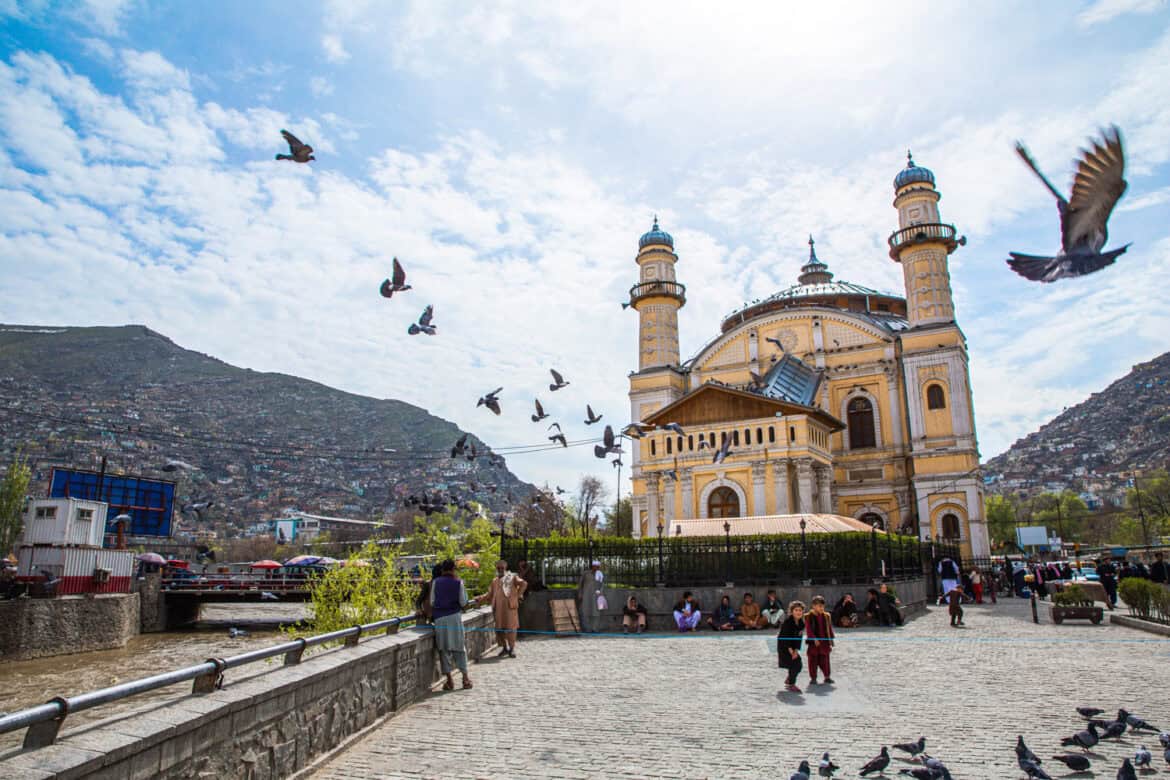
Kabul, Afghanistan: The Historic Heart of Afghanistan and a Gateway to Culture, Heritage, and Opportunity
Kabul, the capital and largest city of Afghanistan, is one of the oldest continuously inhabited cities in the world. Nestled in a valley surrounded by the Hindu Kush Mountains, Kabul has served for centuries as a crossroads connecting Central Asia, South Asia, and the Middle East. Its strategic location made it an important center along ancient trade routes, including the historic Silk Road.
Known for its rich cultural heritage, historic landmarks, vibrant bazaars, and resilient people, Kabul has witnessed the rise and fall of empires, making it one of Asia's most historically significant cities. While the city has faced decades of conflict, it remains Afghanistan's political, educational, economic, and cultural center.
Today, Kabul continues to play a central role in the country's future, with ongoing efforts to improve infrastructure, education, healthcare, and commerce. Anyone considering travel or investment should carefully monitor the latest security conditions and official travel advisories.
Overview of Kabul
Kabul is Afghanistan's administrative, economic, and cultural capital.
Quick Facts
-
Country: Islamic Emirate of Afghanistan (de facto authority) / Afghanistan (internationally recognized state)
-
Capital: Kabul
-
Population: Approximately 4.5–5 million
-
Time Zone: Afghanistan Time (AFT)
-
Official Languages: Dari (Persian) and Pashto
-
Widely Spoken Languages: Uzbek, Hazaragi, Turkmen, and English (in some professional settings)
-
Currency: Afghan Afghani (AFN)
-
Climate: Semi-arid continental climate with hot summers and cold, snowy winters
-
Major Industries: Government Services, Trade, Construction, Agriculture, Telecommunications, Education, Healthcare, Handicrafts, Small Manufacturing, Retail
History and Cultural Heritage
Kabul has a history spanning more than 3,500 years. Throughout its long history, it has been influenced by Persian, Greek, Buddhist, Islamic, Mongol, and Mughal civilizations. The city flourished as a major commercial center connecting Asia through the Silk Road.
Kabul has long been known for its historic gardens, mosques, shrines, markets, and traditional architecture. Despite significant damage from decades of conflict, many cultural landmarks have been restored, preserving the city's historical identity and artistic heritage.
A Rich and Diverse Culture
Kabul reflects Afghanistan's rich ethnic and cultural diversity.
The city's cultural highlights include:
-
Traditional Afghan music
-
Persian and Pashto literature
-
Islamic architecture
-
Historic mosques
-
Museums
-
Handwoven carpets
-
Traditional embroidery
-
Local handicrafts
-
Cultural festivals
-
Afghan cuisine
Hospitality remains an important part of Afghan culture, and visitors often experience the warmth and generosity of local communities.
Famous Tourist Attractions
1. Gardens of Babur (Bagh-e Babur)
A beautifully restored historic garden and the final resting place of Mughal Emperor Babur, offering peaceful surroundings and panoramic city views.
2. National Museum of Afghanistan
Home to valuable archaeological artifacts that reflect Afghanistan's ancient civilizations, Buddhist heritage, and Islamic history.
3. Darul Aman Palace
A restored early 20th-century palace that has become a symbol of Afghanistan's resilience and architectural heritage.
4. Shah-Do Shamshira Mosque
One of Kabul's most distinctive mosques, known for its elegant architecture and historic significance.
5. Kabul Old City
A historic district featuring traditional markets, centuries-old neighborhoods, and local craftsmanship.
6. Qargha Lake
A popular recreational destination where residents enjoy boating, picnics, and mountain scenery.
7. Abdul Rahman Mosque
One of Afghanistan's largest modern mosques, admired for its impressive Islamic architecture.
8. Pul-e-Khishti Mosque
The largest mosque in Kabul and an important center of religious life.
9. Kabul Bird Market
A traditional market reflecting local customs and everyday life, known for birds, pets, and local commerce.
10. Wazir Akbar Khan District
One of Kabul's best-known diplomatic and commercial areas, home to embassies, offices, and modern businesses.
Natural Beauty and Outdoor Activities
Kabul's mountainous setting offers beautiful landscapes and outdoor recreation.
Popular activities include:
-
Mountain hiking
-
Nature photography
-
Cultural tours
-
Garden visits
-
Museum exploration
-
Shopping in local bazaars
-
Traditional food experiences
-
Historical sightseeing
-
Family outings
-
Scenic drives
Nearby attractions include:
-
Paghman
-
Istalif
-
Panjshir Valley
-
Bamyan (long-distance travel)
-
Hindu Kush mountain landscapes
Travel should always be planned with attention to current security guidance.
Food and Culinary Scene
Kabul offers a rich variety of traditional Afghan cuisine.
Popular local dishes include:
-
Kabuli Pulao
-
Mantu
-
Ashak
-
Chapli Kebab
-
Bolani
-
Qorma
-
Afghan Naan
-
Kebabs
-
Firni
-
Green Tea
Restaurants also serve Middle Eastern, Central Asian, Indian, and international cuisine.
Economy and Business Environment
Kabul remains Afghanistan's principal commercial and administrative center.
Major industries include:
-
Trade
-
Construction
-
Telecommunications
-
Agriculture
-
Retail
-
Handicrafts
-
Education
-
Healthcare
-
Financial Services
-
Small Manufacturing
Business activity is significantly influenced by the country's political, economic, and regulatory environment. Investors should conduct careful due diligence and monitor current regulations and international sanctions where applicable.
Business Opportunities in Kabul
While Afghanistan presents significant challenges, opportunities may exist in selected sectors, subject to local laws, security conditions, and international regulations.
Construction and Infrastructure
Potential opportunities include:
-
Residential development
-
Public infrastructure
-
Engineering services
-
Urban planning
-
Water management
Agriculture
Afghanistan's agricultural sector supports opportunities in:
-
Food processing
-
Irrigation systems
-
Agricultural technology
-
Cold storage
-
Fruit processing
Telecommunications and Digital Services
Emerging areas include:
-
Mobile services
-
Internet infrastructure
-
Digital payments
-
Software development
-
IT training
Education
Growing demand exists for:
-
Vocational training
-
Language education
-
Technical institutes
-
Online learning
-
Professional development
Healthcare
Potential areas include:
-
Private clinics
-
Medical equipment
-
Pharmaceuticals
-
Diagnostic services
-
Healthcare training
Handicrafts and Small Industries
Afghanistan is known for:
-
Handmade carpets
-
Gemstones
-
Traditional embroidery
-
Leather goods
-
Handcrafted furniture
Education
Kabul is Afghanistan's leading educational center.
Major institutions include:
-
Kabul University
-
Kabul Polytechnic University
-
Kabul Medical University
-
American University of Afghanistan (operations have been significantly affected in recent years)
-
Various technical and vocational institutes
The education sector continues to evolve under changing national circumstances.
Transportation
Kabul is Afghanistan's primary transportation hub.
Transportation includes:
-
Hamid Karzai International Airport
-
National highways
-
Public buses
-
Taxi services
-
Private transportation
Infrastructure development continues, though services and connectivity may vary depending on current conditions.
Shopping Destinations
Popular shopping areas include:
-
Mandawi Market
-
Chicken Street
-
Kabul City Center
-
Shahre Naw Market
-
Local handicraft bazaars
Visitors can purchase Afghan carpets, gemstones, traditional clothing, handicrafts, jewelry, dried fruits, saffron, and handmade souvenirs.
Annual Festivals and Events
Kabul celebrates a variety of cultural and religious occasions, including:
-
Nowruz (Persian New Year)
-
Eid al-Fitr
-
Eid al-Adha
-
Independence commemorations
-
Traditional cultural events
-
Poetry gatherings
-
Handicraft exhibitions
The scale and scheduling of public events can vary depending on current conditions.
Living in Kabul
Kabul is the country's largest urban center and remains the focus of government, education, and commerce.
Residents experience:
-
Rich cultural traditions
-
Strong community ties
-
Historic neighborhoods
-
Growing business activity
-
Educational institutions
-
Expanding telecommunications
-
Traditional markets
-
Mountain landscapes
Daily life is also shaped by the country's evolving political, economic, and security environment.
Why Visit Kabul?
For travelers who are able to visit safely and in accordance with official travel guidance, Kabul offers unique cultural and historical experiences.
-
History enthusiasts can explore ancient landmarks and museums.
-
Culture lovers can experience Afghan traditions, crafts, and cuisine.
-
Researchers can study one of Asia's oldest continuously inhabited cities.
-
Business professionals may explore opportunities while carefully evaluating local conditions and regulations.
-
Photographers can capture dramatic mountain scenery and historic architecture.
Future Growth and Emerging Opportunities
Kabul's long-term development potential depends on improvements in security, infrastructure, governance, education, and international economic engagement.
Potential future growth sectors include:
-
Infrastructure Development
-
Renewable Energy
-
Information Technology
-
Agriculture
-
Healthcare
-
Education Technology
-
Telecommunications
-
Logistics
-
Small Manufacturing
-
Tourism (subject to future stability)
-
Water Resource Management
-
Sustainable Urban Development
Conclusion
Kabul is one of Asia's oldest and most historically significant cities. From the peaceful Gardens of Babur and the restored Darul Aman Palace to its bustling traditional markets and enduring cultural traditions, Kabul reflects the resilience and heritage of Afghanistan.
Despite the challenges it has faced, the city remains the nation's cultural, educational, and economic center. For those interested in history, culture, research, or future development, Kabul offers a remarkable story of endurance, heritage, and hope.
#Kabul #Afghanistan #VisitKabul #AfghanistanTourism #TravelGuide #GardensOfBabur #DarulAmanPalace #NationalMuseum #BusinessOpportunities #Investment #Trade #Agriculture #Education #Healthcare #Telecommunications #Culture #HistoricCity #SilkRoad #Entrepreneurship #Handicrafts #SustainableDevelopment #Infrastructure #DigitalTransformation #ExploreAfghanistan #CentralAsia #AsianTravel #EconomicDevelopment #CulturalHeritage #KabulCity #History #lowkot