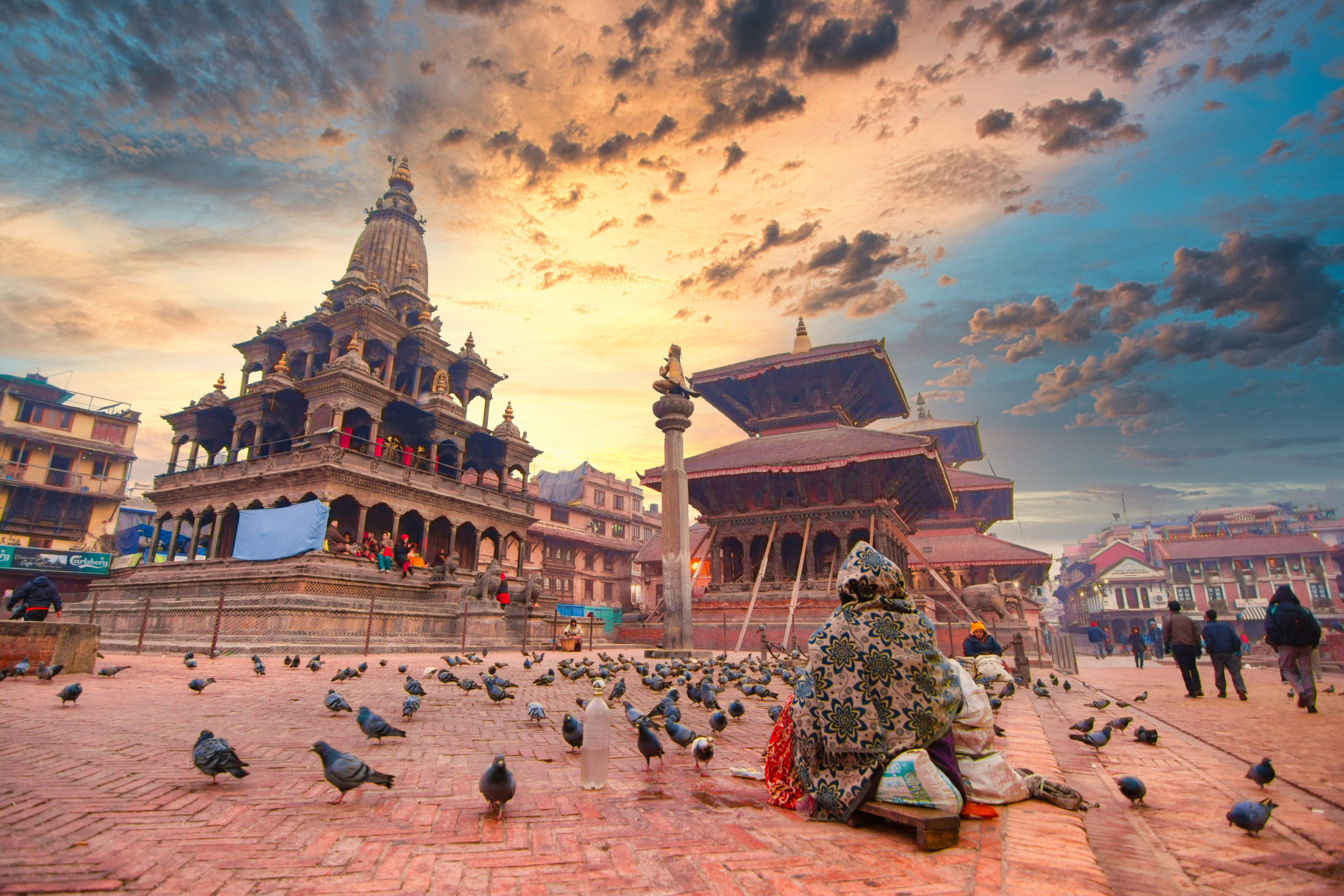
Kathmandu, Nepal: The Himalayan Capital of Heritage, Spirituality, and Emerging Opportunities
Kathmandu, the capital and largest city of Nepal, is a fascinating destination where ancient temples, vibrant traditions, and breathtaking Himalayan landscapes come together. Nestled in the Kathmandu Valley at an elevation of approximately 1,400 meters (4,600 feet) above sea level, the city serves as Nepal's political, cultural, economic, and spiritual center.
Known as the "Gateway to the Himalayas," Kathmandu attracts millions of visitors every year who come to experience its UNESCO World Heritage Sites, centuries-old temples, colorful festivals, and world-renowned trekking routes leading to Mount Everest and the Annapurna region.
Whether you're planning a cultural journey, a Himalayan adventure, pursuing business opportunities, or investing in Nepal's growing economy, Kathmandu offers a unique blend of history, spirituality, hospitality, and modern development.
Overview of Kathmandu
Kathmandu is Nepal's largest metropolitan area and the country's primary center for government, commerce, education, tourism, and international diplomacy.
Quick Facts
-
Country: Federal Democratic Republic of Nepal
-
Capital: Kathmandu
-
Population: Approximately 1.5 million (city)
-
Metropolitan Population: Over 3 million
-
Time Zone: Nepal Standard Time (NST)
-
Official Language: Nepali
-
Widely Spoken Languages: English, Newari, Hindi, and other regional languages
-
Currency: Nepalese Rupee (NPR)
-
Climate: Subtropical highland climate with warm summers and cool winters
-
Major Industries: Tourism, Hospitality, Information Technology, Handicrafts, Agriculture, Education, Banking, Renewable Energy, Healthcare, Construction
History and Cultural Heritage
Kathmandu has a history spanning more than 2,000 years and has long been a center of trade, religion, and art in the Himalayas. The city flourished under the Malla kings, who built many of its magnificent temples, palaces, and courtyards.
Kathmandu Valley is home to seven UNESCO World Heritage Monument Zones, reflecting the region's extraordinary cultural and architectural significance. Hinduism and Buddhism have coexisted here for centuries, creating a unique spiritual atmosphere found nowhere else in the world.
Traditional Newari architecture, intricate wood carvings, ancient shrines, and vibrant festivals continue to define Kathmandu's identity.
A Rich and Diverse Culture
Kathmandu is one of South Asia's most culturally rich cities, where ancient customs remain an important part of daily life.
The city's cultural highlights include:
-
Hindu temples
-
Buddhist monasteries
-
UNESCO World Heritage Sites
-
Traditional Newari architecture
-
Religious festivals
-
Handcrafted art
-
Classical music and dance
-
Local markets
-
Spiritual traditions
-
Mountain culture
The city's welcoming people and deep spiritual heritage create an unforgettable cultural experience.
Famous Tourist Attractions
1. Kathmandu Durbar Square
A UNESCO World Heritage Site featuring royal palaces, temples, courtyards, and remarkable examples of traditional Newari architecture.
2. Swayambhunath Stupa (Monkey Temple)
One of Nepal's oldest and most sacred Buddhist sites, offering panoramic views of Kathmandu Valley.
3. Pashupatinath Temple
Nepal's most sacred Hindu temple dedicated to Lord Shiva, attracting pilgrims from across the world.
4. Boudhanath Stupa
One of the largest Buddhist stupas in the world and an important center of Tibetan Buddhism.
5. Patan Durbar Square
Located in nearby Lalitpur, this UNESCO-listed square is famous for its temples, museums, and exquisite craftsmanship.
6. Bhaktapur Durbar Square
A beautifully preserved medieval city known for its traditional architecture, pottery, and cultural heritage.
7. Garden of Dreams
A peaceful neoclassical garden in the heart of Kathmandu, perfect for relaxation and leisure.
8. Thamel
Kathmandu's most popular tourist district, filled with hotels, restaurants, cafés, trekking shops, souvenir stores, and nightlife.
9. Chandragiri Hills
Accessible by cable car, this scenic destination offers breathtaking views of the Himalayan mountain range.
10. Shivapuri Nagarjun National Park
A beautiful natural reserve ideal for hiking, birdwatching, meditation, and nature photography.
Natural Beauty and Outdoor Activities
Kathmandu serves as the gateway to Nepal's spectacular natural landscapes.
Popular activities include:
-
Trekking
-
Mountain hiking
-
Cultural tours
-
Temple visits
-
Wildlife observation
-
River rafting
-
Mountain biking
-
Photography
-
Yoga and meditation
-
Helicopter mountain tours
Nearby attractions include:
-
Mount Everest region
-
Annapurna region
-
Nagarkot
-
Pokhara
-
Langtang National Park
-
Chitwan National Park
Food and Culinary Scene
Kathmandu offers a delicious mix of traditional Nepali cuisine and international dining.
Popular local dishes include:
-
Momos (dumplings)
-
Dal Bhat
-
Thukpa
-
Sel Roti
-
Chatamari
-
Newari Khaja Set
-
Gundruk
-
Yomari
-
Traditional Nepali tea
-
Himalayan organic cuisine
The city also features rooftop cafés, international restaurants, and vibrant street food markets.
Economy and Business Environment
Kathmandu is Nepal's primary economic and commercial center.
Major industries include:
-
Tourism
-
Hospitality
-
Information Technology
-
Banking
-
Education
-
Healthcare
-
Construction
-
Handicrafts
-
Agriculture
-
Renewable Energy
-
Telecommunications
-
Retail
The city's growing digital economy and tourism sector continue to create opportunities for local and international investors.
Business Opportunities in Kathmandu
Kathmandu offers promising opportunities across multiple industries.
Tourism and Hospitality
Business opportunities include:
-
Hotels and resorts
-
Adventure tourism
-
Eco-tourism
-
Trekking services
-
Travel agencies
-
Wellness retreats
Information Technology
Nepal's growing digital economy supports:
-
Software development
-
Artificial Intelligence
-
Mobile applications
-
IT outsourcing
-
Cybersecurity
-
Cloud computing
Renewable Energy
Nepal's abundant natural resources create opportunities in:
-
Hydropower
-
Solar energy
-
Green infrastructure
-
Rural electrification
-
Sustainable energy projects
Agriculture and Food Processing
Investment opportunities include:
-
Organic farming
-
Tea production
-
Coffee cultivation
-
Herbal products
-
Food processing
-
Agricultural technology
Handicrafts and Traditional Products
Kathmandu is internationally recognized for:
-
Handmade carpets
-
Pashmina products
-
Metal crafts
-
Wood carvings
-
Handmade paper
-
Religious artifacts
Education and Healthcare
Growing demand creates opportunities in:
-
Private schools
-
Higher education
-
Medical services
-
Digital healthcare
-
Professional training
-
Research institutions
Education
Kathmandu is Nepal's leading educational hub.
Major institutions include:
-
Tribhuvan University
-
Kathmandu University
-
Nepal Academy of Science and Technology
-
Pokhara University (administrative presence)
-
Kathmandu Medical College
-
Institute of Engineering
These institutions contribute significantly to research, medicine, engineering, business, and science.
Transportation
Kathmandu's transportation network continues to improve through infrastructure development.
It includes:
-
Tribhuvan International Airport
-
Public buses
-
Tourist buses
-
Taxi services
-
Ride-sharing platforms
-
National highways
-
Cable car systems
-
Expanding urban road network
Ongoing infrastructure projects aim to improve mobility and connectivity throughout the valley.
Shopping Destinations
Popular shopping areas include:
-
Thamel
-
New Road
-
Durbar Marg
-
Asan Bazaar
-
Labim Mall
-
Civil Mall
-
Local handicraft markets
Visitors can purchase traditional handicrafts, pashmina shawls, jewelry, prayer flags, singing bowls, carpets, and handmade souvenirs.
Annual Festivals and Events
Kathmandu celebrates numerous colorful festivals throughout the year, including:
-
Dashain
-
Tihar (Festival of Lights)
-
Holi
-
Indra Jatra
-
Buddha Jayanti
-
Maha Shivaratri
-
Nepali New Year
-
Rato Machhindranath Jatra
These celebrations showcase Nepal's diverse religious and cultural heritage.
Living in Kathmandu
Kathmandu offers a unique lifestyle that combines modern urban living with traditional culture.
Residents enjoy:
-
Rich cultural heritage
-
Friendly communities
-
Expanding educational opportunities
-
Growing healthcare services
-
Vibrant markets
-
Scenic mountain surroundings
-
Active tourism industry
-
Affordable living compared to many international cities
Its spiritual atmosphere and natural beauty make Kathmandu an attractive destination for professionals, students, entrepreneurs, and travelers.
Why Visit Kathmandu?
Kathmandu offers unforgettable experiences for every visitor.
-
History enthusiasts can explore ancient palaces and UNESCO heritage sites.
-
Spiritual travelers can visit sacred Hindu temples and Buddhist monasteries.
-
Adventure seekers can begin Himalayan trekking expeditions.
-
Entrepreneurs can explore Nepal's emerging economy.
-
Students can study in respected universities.
-
Nature lovers can experience breathtaking mountain landscapes and national parks.
Future Growth and Emerging Opportunities
Kathmandu continues to strengthen its position as Nepal's leading center for innovation and sustainable development.
Emerging industries include:
-
Artificial Intelligence
-
Information Technology
-
Eco-tourism
-
Renewable Energy
-
Hydropower
-
Digital Healthcare
-
E-commerce
-
Sustainable Agriculture
-
Green Construction
-
Education Technology
-
Adventure Tourism
-
Smart City Development
With continued investment in infrastructure, tourism, digital transformation, and clean energy, Kathmandu is expected to remain one of South Asia's most promising destinations for business, education, and travel.
Conclusion
Kathmandu is much more than the capital of Nepal—it is a city where ancient heritage, spiritual traditions, and modern aspirations come together. From the sacred Pashupatinath Temple and the iconic Boudhanath Stupa to its thriving tourism industry and growing technology sector, Kathmandu offers remarkable opportunities for travelers, entrepreneurs, students, and investors.
Whether you're exploring UNESCO World Heritage Sites, embarking on a Himalayan adventure, launching a business, or experiencing authentic Nepali hospitality, Kathmandu promises an unforgettable journey filled with culture, resilience, and inspiration.