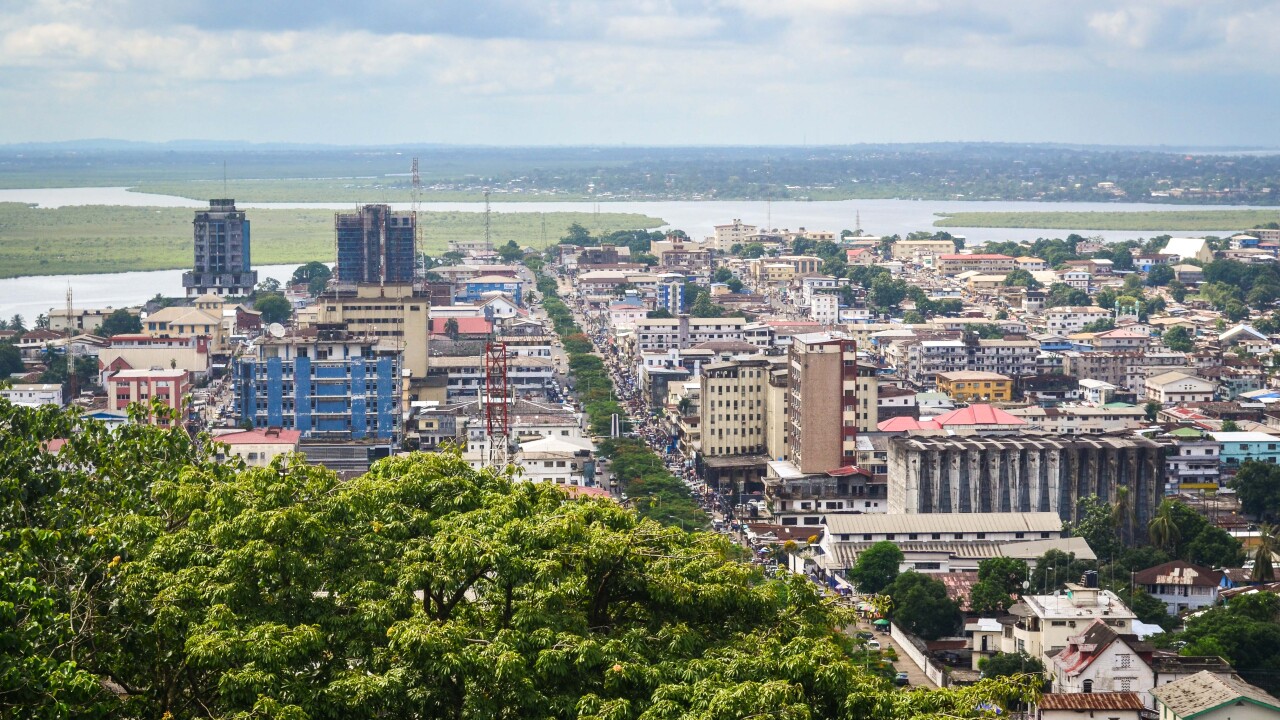
Monrovia, Liberia: The Coastal Capital of History, Resilience, Culture, and Opportunity
Monrovia is the capital and largest city of Liberia, located on the Atlantic coast of West Africa. It is the country's political, economic, commercial, educational, and cultural centre.
The city has a distinctive history shaped by West African traditions, American connections, Atlantic trade, migration, and Liberia's unique national identity.
Monrovia sits between the Atlantic Ocean and the Mesurado River, giving it an important position for trade, fishing, transportation, and tourism.
Today, the city is at the centre of Liberia's economic development, with opportunities emerging in agriculture, mining, logistics, renewable energy, construction, tourism, technology, fisheries, and financial services.
## Quick Facts
| Fact | Details |
|---|---|
| Country | Liberia 🇱🇷 |
| Capital City | Monrovia |
| Region | West Africa |
| Location | Atlantic coast of Liberia |
| Population | More than 1.5 million in the wider metropolitan area |
| Official Language | English |
| Widely Spoken Languages | Liberian English and numerous indigenous languages |
| Currency | Liberian Dollar (LRD) |
| Time Zone | Greenwich Mean Time (UTC+0) |
| Climate | Tropical rainforest climate |
| Major Economic Activities | Trade, Services, Agriculture, Mining, Fisheries, Construction, Logistics |
| Major Airport Serving the City | Roberts International Airport |
| Major Port | Freeport of Monrovia |
| Major Waterways | Atlantic Ocean and Mesurado River |
| Known For | Liberian history, beaches, Atlantic coastline, markets, music, and resilience |
History of Monrovia
Monrovia was founded in 1822 by the American Colonization Society as a settlement for formerly enslaved African Americans and free Black people from the United States.
The city was named after James Monroe, the fifth president of the United States, who supported the settlement project.
Liberia declared independence in 1847, making it one of Africa's oldest modern republics.
Monrovia subsequently became the centre of Liberia's political and economic life.
The city experienced major difficulties during Liberia's civil conflicts, but it has demonstrated considerable resilience and continues to rebuild and modernise.
A Rich and Diverse Culture
Monrovia's culture combines indigenous Liberian traditions with influences from the African diaspora.
Cultural influences include:
-
Vai heritage
-
Kru traditions
-
Kpelle culture
-
Bassa traditions
-
Grebo culture
-
Americo-Liberian heritage
-
Contemporary African culture
The city is known for:
-
Music
-
Dance
-
Storytelling
-
Fashion
-
Food
-
Wood carving
-
Textiles
-
Community festivals
-
Contemporary art
Famous Tourist Attractions
1. National Museum of Liberia
The museum documents Liberia's history and cultural heritage through historical objects, photographs, traditional artefacts, and exhibitions.
2. Providence Island
Providence Island is one of Monrovia's most historically significant locations.
It is associated with the early settlement of freed African Americans and the development of modern Liberia.
3. Centennial Pavilion
An important historic landmark used for national ceremonies and public events.
4. Sacred Heart Cathedral
A prominent Catholic cathedral and important architectural landmark in central Monrovia.
5. Ducor Hotel
The historic Ducor Hotel is one of Monrovia's best-known landmarks.
Although its condition has changed considerably over the years, the building remains an important symbol of the city's modern history.
6. Waterside Market
A busy commercial area where visitors can experience everyday urban life and purchase:
-
Clothing
-
Food
-
Household products
-
Crafts
-
Local goods
7. ELWA Beach
One of the popular coastal destinations around Monrovia, offering opportunities for:
-
Relaxation
-
Photography
-
Swimming where conditions permit
-
Local food
-
Beach activities
8. Mamba Point
A historic and diplomatic neighbourhood known for hotels, restaurants, embassies, and coastal views.
Natural Beauty and Outdoor Activities
Monrovia's Atlantic location provides access to beaches, rivers, wetlands, and tropical landscapes.
Popular activities include:
-
Beach visits
-
Surfing
-
Fishing
-
Photography
-
Boat excursions
-
Bird watching
-
Nature walks
-
Cultural tours
Liberia's wider coastline is particularly known for its beaches and tropical ecosystems.
Food and Culinary Scene
Monrovia offers a rich Liberian food culture.
Popular dishes include:
-
Jollof rice
-
Cassava
-
Plantains
-
Palm butter soup
-
Pepper soup
-
Jollof-style dishes
-
Grilled fish
-
Grilled chicken
-
Fried plantains
-
Rice and stew
-
Cassava leaf soup
-
Potato greens
Seafood is particularly important because of the city's coastal location.
Economy and Business Environment
Monrovia is the economic centre of Liberia.
Major sectors include:
-
Trade
-
Agriculture
-
Mining
-
Logistics
-
Fisheries
-
Construction
-
Financial Services
-
Telecommunications
-
Retail
-
Hospitality
-
Government Services
Liberia has important natural resources, including iron ore, gold, diamonds, timber, and rubber, while agriculture remains important to employment and rural livelihoods.
Business Opportunities in Monrovia
1. Agriculture and Agribusiness
Liberia has significant agricultural potential.
Opportunities include:
-
Rice production
-
Cassava
-
Cocoa
-
Coffee
-
Rubber
-
Palm oil
-
Vegetable farming
-
Poultry
-
Fisheries
-
Food processing
-
Agricultural machinery
-
Cold-chain logistics
Developing local processing can help increase the value of agricultural products.
2. Mining Services
Liberia has significant mineral resources.
Business opportunities can include:
-
Mining equipment
-
Logistics
-
Geological services
-
Environmental management
-
Mineral processing
-
Safety technology
-
Infrastructure services
Responsible and environmentally conscious mining practices are essential for long-term development.
3. Renewable Energy
Energy access remains an important development opportunity.
Potential areas include:
-
Solar power
-
Off-grid systems
-
Mini-grids
-
Battery storage
-
Solar-powered water systems
-
Clean cooking
-
Energy-efficient buildings
4. Fisheries and Aquaculture
Liberia's Atlantic coastline provides opportunities in:
-
Commercial fishing
-
Fish processing
-
Cold storage
-
Aquaculture
-
Seafood distribution
-
Sustainable fisheries management
5. Logistics and Port Services
The Freeport of Monrovia supports international trade and creates opportunities in:
-
Shipping
-
Warehousing
-
Freight forwarding
-
Customs services
-
Trucking
-
Cold-chain logistics
-
Supply-chain technology
6. Technology and Digital Services
Growing connectivity creates opportunities in:
-
FinTech
-
Mobile payments
-
E-commerce
-
Software development
-
Digital education
-
Telemedicine
-
Cybersecurity
-
Artificial Intelligence
Education
Monrovia is Liberia's principal educational centre.
Major institutions include:
-
University of Liberia
-
Stella Maris Polytechnic University
-
United Methodist University
-
Liberia International Christian College
-
Various vocational and technical institutions
Important areas include:
-
Business
-
Medicine
-
Engineering
-
Law
-
Agriculture
-
Education
-
Information Technology
-
Public Administration
Transportation
Monrovia is Liberia's principal transportation hub.
Transportation includes:
-
Roads
-
Taxis
-
Minibuses
-
Motorcycles in some areas
-
Private vehicles
-
Commercial transport
-
Maritime services
Roberts International Airport, located outside Monrovia, serves as Liberia's principal international airport.
Shopping and Local Markets
Monrovia has a vibrant market culture.
Popular commercial areas include:
-
Waterside
-
Red Light Market
-
Duala Market
-
Local craft markets
-
Modern supermarkets and shopping centres
Visitors can purchase:
-
Traditional clothing
-
Fabrics
-
Jewellery
-
Wooden crafts
-
Food products
-
Handmade souvenirs
-
Local artwork
Cultural Events and Festivals
Monrovia hosts cultural and community events throughout the year.
These can include:
-
Independence celebrations
-
Music festivals
-
Cultural exhibitions
-
Fashion events
-
Food festivals
-
Art exhibitions
-
Sports competitions
-
Business conferences
-
Community celebrations
Liberian music and dance play an important role in the city's social life.
Living in Monrovia
Monrovia is Liberia's largest urban centre and the country's main destination for employment, education, healthcare, and business.
The city offers:
-
Universities
-
Hospitals
-
Hotels
-
Restaurants
-
Markets
-
Shopping facilities
-
Government institutions
-
Diplomatic missions
-
Local businesses
Important areas include:
-
Mamba Point
-
Sinkor
-
Paynesville
-
Congo Town
-
West Point
-
Central Monrovia
Why Visit Monrovia?
Monrovia offers a combination of history, culture, coastline, and contemporary African life.
-
History enthusiasts can explore Providence Island and Liberia's unique political history.
-
Beach lovers can enjoy the Atlantic coastline.
-
Culture enthusiasts can discover Liberian music, food, crafts, and traditions.
-
Business travellers can explore mining, agriculture, logistics, fisheries, and technology.
-
Nature lovers can explore Liberia's tropical landscapes and coastal ecosystems.
Future Growth and Emerging Opportunities
Monrovia has considerable potential for economic diversification.
Emerging sectors include:
-
Artificial Intelligence
-
FinTech
-
E-commerce
-
Renewable Energy
-
Agritech
-
HealthTech
-
EdTech
-
Fisheries Technology
-
Logistics Technology
-
Sustainable Tourism
-
Green Construction
-
Digital Government
Improving infrastructure, energy access, digital connectivity, and skills development could support long-term economic growth.
Sustainable Development Opportunities
Monrovia faces important challenges related to urbanisation, flooding, waste management, coastal protection, and infrastructure.
Potential solutions include:
-
Solar energy
-
Waste recycling
-
Coastal protection
-
Flood management
-
Sustainable drainage
-
Clean transportation
-
Green buildings
-
Sustainable fisheries
-
Urban tree planting
-
Climate-smart agriculture
Protecting Liberia's coastal ecosystems and forests can create environmental, economic, and tourism benefits.
Monrovia as a Gateway to Liberia and West Africa
Monrovia's Atlantic location gives it strategic importance for international trade.
The city can serve as a base for organisations and companies working in:
-
Agriculture
-
Mining
-
Logistics
-
Maritime services
-
Fisheries
-
Renewable energy
-
Technology
-
Tourism
-
International development
Liberia's position on the Atlantic coast also provides opportunities for regional and international commerce.
Conclusion
Monrovia is more than Liberia's capital—it is a city shaped by Atlantic history, African traditions, resilience, entrepreneurship, and a strong connection to the sea.
From Providence Island and historic landmarks to beaches, markets, cultural communities, and growing businesses, Monrovia offers a distinctive West African experience.
The city's future opportunities are particularly promising in agriculture, mining services, renewable energy, fisheries, logistics, technology, construction, tourism, and digital services.
For travellers, entrepreneurs, investors, researchers, and international organisations, Monrovia provides an important gateway to Liberia and the wider West African region.
#Monrovia #Liberia #VisitLiberia #VisitMonrovia #WestAfrica #AfricanBusiness #BusinessOpportunities #Investment #LiberianCulture #AfricanHistory #AtlanticCoast #Agriculture #Agribusiness #Mining #GoldMining #IronOre #RenewableEnergy #SolarEnergy #Fisheries #Aquaculture #Logistics #PortOfMonrovia #Technology #ArtificialIntelligence #FinTech #Agritech #Tourism #BeachTourism #CulturalTourism #Education #Healthcare #Construction #DigitalTransformation #Entrepreneurship #EconomicDevelopment #SustainableDevelopment #ClimateResilience #ExploreAfrica #LiberiaBusiness #FutureAfrica #lowkot