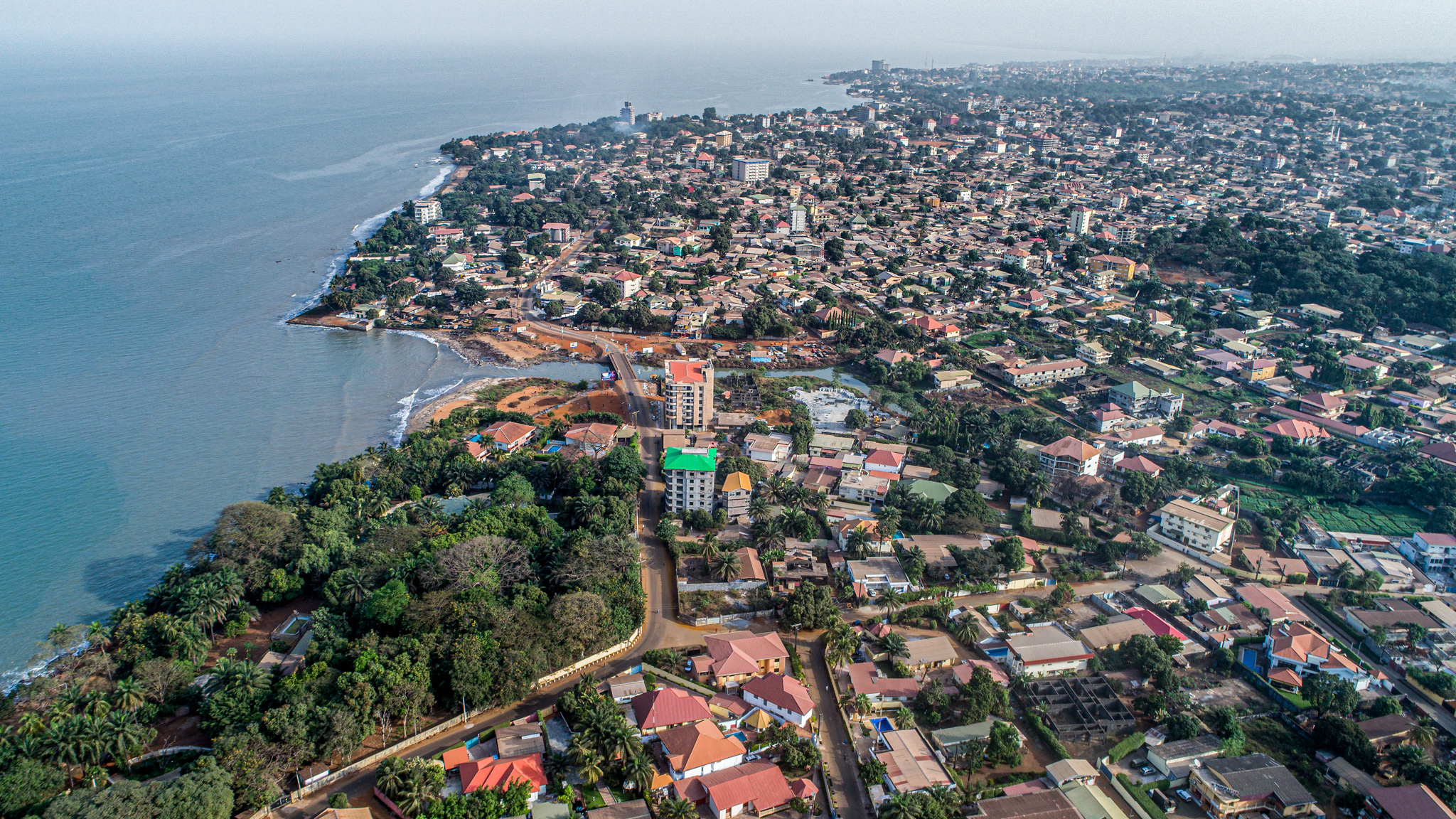
Conakry, Guinea: The Atlantic Gateway of West Africa, Culture, Trade, and Opportunity
Conakry is the capital and largest city of Guinea, located on the Atlantic coast of West Africa. Built largely on the Kaloum Peninsula, the city serves as Guinea's political, commercial, financial, cultural, and transportation centre.
Conakry has a distinctive combination of Atlantic coastline, tropical landscapes, busy markets, historic neighbourhoods, music, cuisine, and cultural diversity.
Guinea is exceptionally rich in natural resources, particularly bauxite, iron ore, gold, and diamonds. As a result, mining and related logistics play a major role in the country's economy, while Conakry functions as an important gateway for international trade.
The city also has significant opportunities in agriculture, fisheries, logistics, renewable energy, manufacturing, technology, tourism, and infrastructure.
## Quick Facts
| Fact | Details |
|---|---|
| Country | Guinea 🇬🇳 |
| Capital City | Conakry |
| Region | West Africa |
| Location | Atlantic coast of Guinea |
| Main Urban Area | Greater Conakry |
| Official Language | French |
| Widely Spoken Languages | Susu, Pular, Maninka, and other Guinean languages |
| Currency | Guinean Franc (GNF) |
| Time Zone | Greenwich Mean Time (UTC+0) |
| Climate | Tropical monsoon |
| Major Economic Activities | Mining, Trade, Services, Fisheries, Agriculture, Construction, Logistics |
| Major Airport | Ahmed Sékou Touré International Airport |
| Major Port | Port of Conakry |
| Known For | Atlantic coastline, mining, music, markets, islands, and Guinean culture |
History of Conakry
Conakry developed from settlements on Tombo Island and the Kaloum Peninsula.
The city grew significantly during the colonial period when Guinea was part of French West Africa.
Conakry became the capital of French Guinea and later remained the national capital when Guinea gained independence in 1958 under the leadership of Ahmed Sékou Touré.
Since independence, the city has grown into Guinea's largest urban centre and the country's principal political and commercial hub.
A Rich and Diverse Culture
Conakry is home to people from many of Guinea's ethnic communities.
Important cultural traditions include:
-
Susu culture
-
Fulani/Pular traditions
-
Maninka heritage
-
Kissi traditions
-
Guerzé culture
-
Coastal communities
-
Contemporary Guinean culture
The city is particularly famous for:
-
Music
-
Dance
-
Fashion
-
Traditional instruments
-
Storytelling
-
Crafts
-
Food
-
Contemporary arts
Guinea has played an important role in the development of West African music.
Famous Tourist Attractions
1. National Museum of Guinea
The National Museum of Guinea provides an introduction to the country's history, culture, traditional arts, and archaeological heritage.
Visitors can learn about Guinea's diverse ethnic communities and artistic traditions.
2. Grand Mosque of Conakry
One of the city's most prominent religious landmarks and an important part of Conakry's architectural landscape.
3. Palais du Peuple
The People's Palace is an important government and cultural venue used for official ceremonies, public events, conferences, and performances.
4. Marché Madina
One of Conakry's major commercial markets.
Visitors can find:
-
Clothing
-
Fabrics
-
Food
-
Jewellery
-
Electronics
-
Household products
-
Local goods
It provides a fascinating view of everyday commercial life in the city.
5. Îles de Los
The Los Islands, located off the coast of Conakry, are among Guinea's most attractive natural destinations.
Visitors can explore:
-
Beaches
-
Islands
-
Fishing communities
-
Tropical landscapes
-
Marine environments
6. Île de Roume
One of the better-known islands in the Los Islands group, associated with beaches, tropical vegetation, and historical interest.
7. Botanical Garden of Camayenne
A green area within Conakry offering visitors a break from the city's busy urban environment.
Natural Beauty and Outdoor Activities
Conakry's coastal location creates opportunities for:
-
Beach visits
-
Island excursions
-
Fishing
-
Boat trips
-
Photography
-
Bird watching
-
Nature walks
-
Cultural tourism
The nearby Los Islands provide some of the most attractive coastal landscapes around the capital.
Food and Culinary Scene
Guinean cuisine reflects the country's diverse communities and Atlantic environment.
Popular dishes include:
-
Rice with sauces
-
Grilled fish
-
Fish stew
-
Chicken dishes
-
Fonio
-
Cassava
-
Plantains
-
Sweet potatoes
-
Peanut-based sauces
-
Fresh tropical fruits
Seafood is particularly important in Conakry because of its coastal location.
Economy and Business Environment
Conakry is Guinea's primary economic and commercial centre.
Major sectors include:
-
Mining
-
Port services
-
Trade
-
Construction
-
Telecommunications
-
Financial services
-
Fisheries
-
Agriculture
-
Retail
-
Transportation
-
Government services
Guinea is one of the world's major holders and producers of bauxite, making mining and mineral logistics especially important to the country's economy.
The country also has substantial deposits of iron ore, gold, and diamonds.
Business Opportunities in Conakry
1. Mining and Mining Services
Guinea's mineral resources create opportunities beyond direct extraction.
Potential sectors include:
-
Mining equipment
-
Heavy machinery
-
Logistics
-
Engineering
-
Geological services
-
Mineral processing
-
Environmental management
-
Mining technology
-
Worker safety systems
-
Infrastructure development
Responsible mining and environmental protection will be increasingly important as the sector expands.
2. Agriculture and Agribusiness
Guinea has significant agricultural potential.
Opportunities include:
-
Rice production
-
Cassava
-
Maize
-
Fruits
-
Vegetables
-
Coffee
-
Cocoa
-
Palm products
-
Livestock
-
Poultry
-
Food processing
-
Agricultural machinery
Developing local processing industries can create employment and increase agricultural value.
3. Fisheries and Aquaculture
Guinea's Atlantic coastline creates opportunities in:
-
Sustainable fishing
-
Fish processing
-
Cold storage
-
Seafood distribution
-
Aquaculture
-
Fishing equipment
-
Marine logistics
Improving cold-chain infrastructure could reduce food losses and increase seafood exports.
4. Port and Logistics Services
The Port of Conakry plays a major role in Guinea's international trade.
Business opportunities include:
-
Warehousing
-
Freight forwarding
-
Shipping services
-
Customs support
-
Trucking
-
Container services
-
Supply-chain technology
-
Cold-chain logistics
5. Renewable Energy
Guinea has opportunities for renewable energy development, particularly:
-
Solar power
-
Hydropower
-
Mini-grids
-
Off-grid energy
-
Battery storage
-
Solar irrigation
-
Clean cooking
-
Energy-efficient buildings
6. Technology and Digital Services
Conakry's growing digital economy can support businesses in:
-
FinTech
-
Mobile payments
-
E-commerce
-
Software development
-
Artificial Intelligence
-
Digital education
-
HealthTech
-
Cybersecurity
-
Digital government
Education
Conakry is Guinea's leading educational centre.
Important institutions include:
-
Université Gamal Abdel Nasser de Conakry
-
Private universities
-
Technical institutes
-
Vocational training centres
-
Professional schools
Education and skills development are particularly important for Guinea's growing mining, technology, construction, and services sectors.
Transportation
Conakry is Guinea's primary transportation hub.
Transportation options include:
-
Taxis
-
Shared taxis
-
Minibuses
-
Private vehicles
-
Motorcycles in some areas
-
Buses
-
Maritime transportation
The Port of Conakry is strategically important for international commerce.
Ahmed Sékou Touré International Airport provides international air connections.
Shopping and Local Markets
Conakry's markets are vibrant centres of commerce.
Visitors can find:
-
African fabrics
-
Clothing
-
Jewellery
-
Handicrafts
-
Wood carvings
-
Food
-
Spices
-
Local artwork
-
Traditional products
Marché Madina is one of the city's most important commercial areas.
Cultural Events and Festivals
Conakry has an active cultural scene featuring:
-
Music festivals
-
Dance performances
-
Art exhibitions
-
Fashion events
-
Film events
-
Cultural celebrations
-
Religious festivals
-
Business conferences
Traditional Guinean music and dance remain important parts of the city's cultural identity.
Living in Conakry
Conakry is a large and densely populated coastal metropolis.
Important areas include:
-
Kaloum
-
Camayenne
-
Dixinn
-
Matam
-
Ratoma
-
Matoto
The city offers:
-
Universities
-
Hospitals
-
Hotels
-
Restaurants
-
Markets
-
Shopping centres
-
Government institutions
-
Diplomatic missions
-
Financial institutions
Urban priorities include transportation, housing, drainage, sanitation, electricity, water supply, and waste management.
Why Visit Conakry?
Conakry offers an interesting combination of urban West African life, Atlantic landscapes, culture, and natural resources.
-
History enthusiasts can explore Guinea's national museums and historic landmarks.
-
Culture lovers can experience Guinean music, dance, crafts, and cuisine.
-
Nature enthusiasts can visit the Los Islands.
-
Food lovers can enjoy seafood and traditional Guinean dishes.
-
Business travellers can explore mining, logistics, agriculture, fisheries, energy, and technology.
Future Growth and Emerging Opportunities
Conakry has significant potential for economic diversification.
Emerging sectors include:
-
Artificial Intelligence
-
FinTech
-
Agritech
-
Renewable Energy
-
Digital Government
-
E-commerce
-
HealthTech
-
EdTech
-
Mining Technology
-
Logistics Technology
-
Sustainable Tourism
-
Green Construction
Investment in infrastructure, digital connectivity, technical education, energy, and logistics could strengthen the city's position as a regional business centre.
Sustainable Development Opportunities
Conakry's coastal location makes environmental management particularly important.
Key opportunities include:
-
Coastal protection
-
Flood management
-
Waste recycling
-
Sustainable drainage
-
Renewable energy
-
Clean transportation
-
Sustainable fisheries
-
Mangrove protection
-
Urban tree planting
-
Climate-smart agriculture
Protecting Guinea's coastal ecosystems and mangroves can support fisheries, tourism, biodiversity, and climate resilience.
Conakry as a Gateway to Guinea and West Africa
Conakry's Atlantic location and port infrastructure give it strategic importance for regional and international trade.
The city can serve as a base for organisations and businesses working in:
-
Mining
-
Agriculture
-
Fisheries
-
Logistics
-
Renewable energy
-
Manufacturing
-
Technology
-
Tourism
-
Education
-
Infrastructure
Its role will become increasingly important as Guinea develops its mineral, agricultural, infrastructure, and digital sectors.
Conclusion
Conakry is more than Guinea's capital—it is a dynamic Atlantic city where natural resources, West African culture, commerce, and modern development meet.
From the bustling markets of Madina and historic landmarks to the beautiful Los Islands and the country's expanding mining and logistics sectors, Conakry offers a distinctive perspective on Guinea.
The city's strongest future opportunities are likely to emerge in mining services, agriculture, fisheries, logistics, renewable energy, technology, infrastructure, tourism, and manufacturing.
For travellers, entrepreneurs, investors, researchers, and international organisations, Conakry provides an important gateway to Guinea and the wider West African region.
#Conakry #Guinea #VisitGuinea #VisitConakry #WestAfrica #AfricanBusiness #BusinessOpportunities #Investment #GuineanCulture #AfricanHistory #AtlanticCoast #LosIslands #Agriculture #Agribusiness #Mining #Bauxite #IronOre #GoldMining #MiningServices #RenewableEnergy #SolarEnergy #Hydropower #Fisheries #Aquaculture #PortOfConakry #Logistics #Technology #ArtificialIntelligence #FinTech #Agritech #Tourism #EcoTourism #CulturalTourism #Education #Healthcare #Construction #DigitalTransformation #Entrepreneurship #EconomicDevelopment #SustainableDevelopment #ClimateResilience #ExploreAfrica #GuineaBusiness #FutureAfrica #lowkot