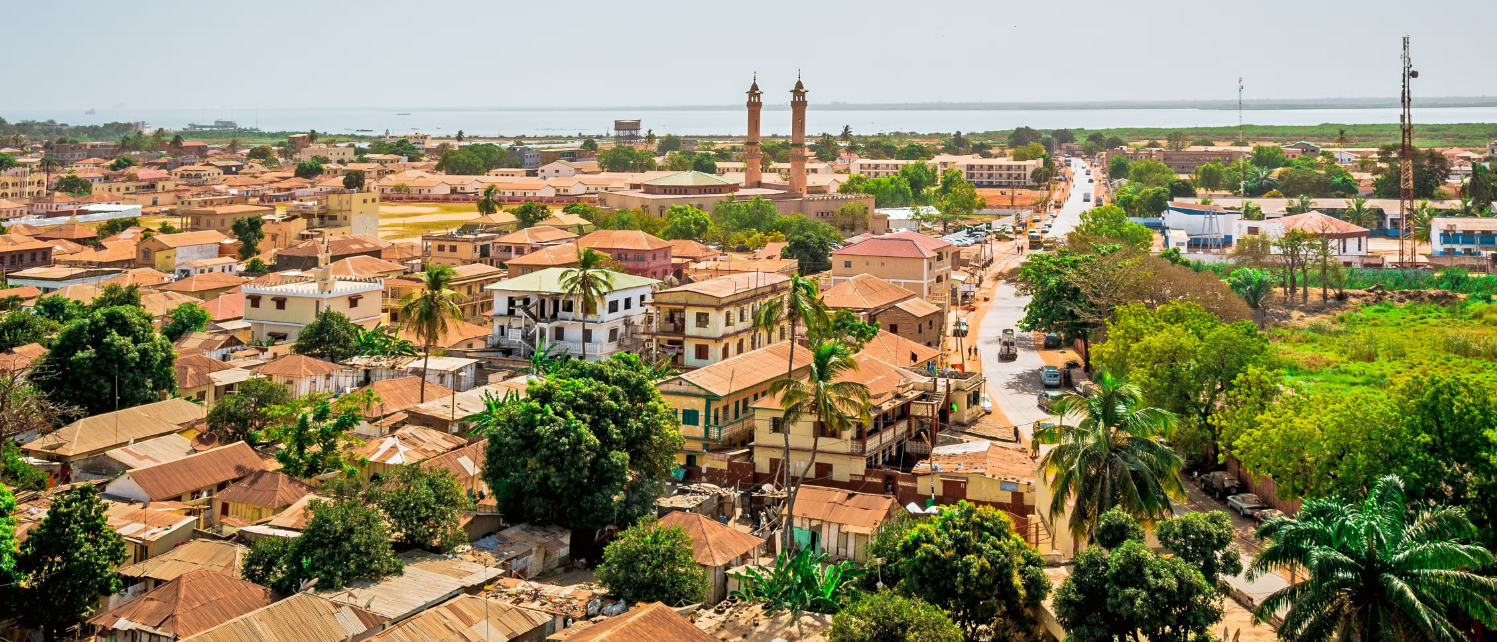
Banjul, The Gambia: The Historic Atlantic Capital of Culture, Trade, and Tourism
Banjul is the capital of The Gambia, the smallest mainland country in Africa. Located on St. Mary’s Island, where the Gambia River meets the Atlantic Ocean, Banjul has played an important role in the country's political, commercial, and maritime history.
Although Banjul is relatively small compared with many African capitals, its historical and strategic importance is significant. The city is home to government institutions, historic landmarks, markets, religious sites, and important port facilities.
The wider Greater Banjul Area is much larger and includes important commercial and residential centres such as Serrekunda, Bakau, and Kanifing.
## Quick Facts
| Fact | Details |
|---|---|
| Country | The Gambia 🇬🇲 |
| Capital City | Banjul |
| Region | West Africa |
| Location | St. Mary’s Island, Atlantic coast |
| Official Language | English |
| Widely Spoken Languages | Mandinka, Wolof, Fula, Jola, Serer and others |
| Currency | Gambian Dalasi (GMD) |
| Time Zone | Greenwich Mean Time (UTC+0) |
| Climate | Tropical savanna |
| Major Economic Activities | Tourism, Trade, Agriculture, Fisheries, Services, Transport |
| Major Airport | Banjul International Airport |
| Major Port | Port of Banjul |
| Major River | Gambia River |
| Known For | Beaches, river landscapes, history, wildlife, tourism, and Gambian culture |
History of Banjul
Banjul was founded by the British in 1816 as a military and trading settlement. It was originally known as Bathurst.
The settlement was established partly to help suppress the transatlantic slave trade and to strengthen British control over the Gambia River.
After The Gambia gained independence from Britain in 1965, Bathurst was renamed Banjul in 1973.
Today, the city remains the constitutional and political capital of the country.
A Rich and Diverse Culture
Banjul reflects the cultural diversity of The Gambia.
Important communities and traditions include:
-
Mandinka culture
-
Wolof traditions
-
Fula heritage
-
Jola culture
-
Serer traditions
-
Aku/Krio heritage
-
Islamic traditions
-
Contemporary Gambian culture
Music, dance, storytelling, clothing, food, and community celebrations are central to Gambian cultural life.
The country's famous kora, a traditional West African string instrument, is an important part of the region's musical heritage.
Famous Tourist Attractions
1. Arch 22
Arch 22 is one of Banjul's most recognizable landmarks.
The large monument commemorates the 1994 military coup and offers elevated views over parts of the city.
2. National Museum of The Gambia
The National Museum provides insight into:
-
Gambian history
-
Traditional cultures
-
Archaeology
-
Colonial history
-
Independence
-
Traditional crafts
It is an excellent place to understand the country's cultural development.
3. Albert Market
One of Banjul's most famous traditional markets.
Visitors can find:
-
Fabrics
-
Clothing
-
Jewellery
-
Food
-
Handicrafts
-
Souvenirs
-
Household goods
The market offers an authentic look at local commercial life.
4. King Fahd Mosque
One of the major Islamic landmarks in Banjul and an important religious centre.
5. State House
The State House is an important government landmark in the capital.
6. Banjul Ferry Terminal
The ferry terminal connects Banjul with communities across the Gambia River and is an important part of the country's transportation network.
Natural Beauty Around Banjul
Banjul's location between the Atlantic Ocean and Gambia River provides access to diverse coastal and river ecosystems.
Popular activities include:
-
Beach visits
-
Boat trips
-
Fishing
-
Bird watching
-
River cruises
-
Photography
-
Wildlife tours
-
Cultural tourism
The wider coastal area around Banjul is particularly popular with international tourists.
Beaches Near Banjul
Although Banjul itself is not primarily known as a resort city, the wider Greater Banjul Area has several popular beaches.
Notable destinations include:
-
Kololi Beach
-
Kotu Beach
-
Cape Point
-
Bakau
-
Fajara
-
Tanji
These areas support hotels, restaurants, resorts, tour operators, and other tourism businesses.
Food and Culinary Scene
Gambian cuisine combines West African traditions with local agricultural and coastal ingredients.
Popular dishes include:
-
Benachin
-
Domoda
-
Yassa
-
Mbahal
-
Afra
-
Grilled fish
-
Seafood
-
Rice dishes
-
Peanut-based sauces
-
Plantains
-
Cassava
Fresh seafood is particularly important because of The Gambia's coastal location.
Economy and Business Environment
Banjul and the wider Greater Banjul Area form the country's most important commercial region.
Major sectors include:
-
Tourism
-
Trade
-
Agriculture
-
Fisheries
-
Transportation
-
Financial services
-
Hospitality
-
Construction
-
Retail
-
Telecommunications
The Gambia's economy is strongly connected to tourism, agriculture, remittances, trade, and services.
Business Opportunities in Banjul
1. Tourism and Hospitality
Tourism is one of the country's most important economic sectors.
Opportunities include:
-
Hotels
-
Resorts
-
Eco-lodges
-
Restaurants
-
Tour companies
-
Cultural tourism
-
River cruises
-
Adventure tourism
-
Beach tourism
-
Conference tourism
2. Agriculture and Agribusiness
Agriculture remains an important part of the Gambian economy.
Potential opportunities include:
-
Groundnuts
-
Rice
-
Horticulture
-
Vegetables
-
Fruit farming
-
Poultry
-
Livestock
-
Food processing
-
Agricultural machinery
-
Cold-chain logistics
3. Fisheries and Aquaculture
The Atlantic coastline and Gambia River create opportunities in:
-
Sustainable fishing
-
Fish processing
-
Cold storage
-
Seafood distribution
-
Aquaculture
-
Fishing equipment
-
Export services
Sustainable fisheries management is essential for protecting coastal communities and marine ecosystems.
4. Renewable Energy
The Gambia has strong potential for solar energy.
Business opportunities include:
-
Solar installations
-
Mini-grids
-
Off-grid systems
-
Battery storage
-
Solar irrigation
-
Solar-powered refrigeration
-
Clean cooking
-
Energy-efficient buildings
5. Logistics and Trade
Banjul's location at the mouth of the Gambia River gives it strategic commercial importance.
Opportunities include:
-
Warehousing
-
Freight forwarding
-
Shipping
-
Port services
-
Transportation
-
Cold-chain logistics
-
Supply-chain technology
-
Export support
6. Technology and Digital Services
The country's growing digital economy creates opportunities in:
-
FinTech
-
Mobile payments
-
E-commerce
-
Software development
-
Artificial Intelligence
-
Digital education
-
HealthTech
-
Cybersecurity
-
Digital government
Education
Banjul and the wider Greater Banjul Area host many of the country's educational institutions.
Important institutions include:
-
University of The Gambia
-
Gambia Technical Training Institute
-
Management Development Institute
-
Various private colleges and professional schools
Important fields include:
-
Business
-
Medicine
-
Law
-
Agriculture
-
Engineering
-
Education
-
Information Technology
-
Economics
Transportation
Banjul is an important transportation hub.
Transportation includes:
-
Taxis
-
Minibuses
-
Private vehicles
-
Shared vehicles
-
Ferries
-
Boats
The Banjul Ferry Terminal is particularly important for connecting communities across the Gambia River.
Banjul International Airport is located approximately 20 km from the city and serves as the country's primary international aviation gateway.
Shopping and Local Markets
Banjul offers traditional markets and modern commercial areas.
Visitors can purchase:
-
African fabrics
-
Traditional clothing
-
Jewellery
-
Wood carvings
-
Baskets
-
Handmade crafts
-
Spices
-
Local food
-
Souvenirs
Albert Market remains one of the city's most recognizable commercial landmarks.
Cultural Events and Festivals
The Gambia has a vibrant cultural calendar.
Events and celebrations can include:
-
Independence celebrations
-
Music festivals
-
Cultural festivals
-
Religious celebrations
-
Fashion events
-
Art exhibitions
-
Traditional dance
-
Food events
Gambian music combines traditional West African instruments with modern African and international influences.
Living in Banjul
Banjul is relatively compact compared with many African capitals.
The wider urban area, however, is much larger and includes:
-
Serrekunda
-
Kanifing
-
Bakau
-
Fajara
-
Kololi
The region offers:
-
Hotels
-
Restaurants
-
Schools
-
Hospitals
-
Markets
-
Shopping centres
-
Government institutions
-
Banks
-
Business services
Why Visit Banjul?
Banjul offers visitors a combination of history, culture, beaches, rivers, markets, and wildlife.
-
History lovers can explore the city's colonial heritage and museums.
-
Culture enthusiasts can experience Gambian music, food, markets, and traditions.
-
Nature lovers can explore wetlands, rivers, beaches, and wildlife.
-
Bird watchers can discover the country's rich birdlife.
-
Business travellers can explore tourism, agriculture, fisheries, logistics, energy, and technology.
Future Growth and Emerging Opportunities
Banjul and the wider Greater Banjul Area have opportunities for economic diversification.
Emerging sectors include:
-
Agritech
-
FinTech
-
Renewable Energy
-
Digital Government
-
E-commerce
-
HealthTech
-
EdTech
-
Sustainable Tourism
-
Fisheries Technology
-
Logistics Technology
-
Green Construction
-
Creative Industries
Improving infrastructure, digital connectivity, energy access, and workforce skills can strengthen the city's long-term economic potential.
Sustainable Development Opportunities
Banjul's coastal and river environment makes climate resilience especially important.
Key opportunities include:
-
Coastal protection
-
Flood management
-
Mangrove conservation
-
Waste recycling
-
Sustainable fisheries
-
Renewable energy
-
Clean transportation
-
Climate-smart agriculture
-
Water management
-
Eco-tourism
Protecting coastal ecosystems can support both tourism and the livelihoods of fishing communities.
Banjul as a Gateway to The Gambia
Banjul is the country's principal political and maritime gateway.
It connects businesses and organisations to opportunities in:
-
Tourism
-
Agriculture
-
Fisheries
-
Trade
-
Logistics
-
Renewable energy
-
Technology
-
Education
-
Hospitality
-
International development
Its location at the mouth of the Gambia River has historically made it important for regional commerce.
Conclusion
Banjul is more than the capital of The Gambia—it is a historic Atlantic city where river commerce, West African traditions, tourism, and modern economic opportunities meet.
From Arch 22 and Albert Market to the Gambia River, nearby beaches, cultural attractions, and wildlife destinations, Banjul offers visitors a distinctive introduction to Gambian life.
The city's strongest future opportunities are likely to emerge in tourism, agriculture, fisheries, renewable energy, logistics, technology, food processing, and sustainable development.
For travellers, entrepreneurs, investors, researchers, and international organisations, Banjul provides an important gateway to The Gambia and the wider West African region.
#Banjul #TheGambia #Gambia #VisitGambia #VisitBanjul #WestAfrica #AfricanBusiness #BusinessOpportunities #Investment #GambianCulture #AfricanHistory #AtlanticCoast #GambiaRiver #Tourism #BeachTourism #EcoTourism #CulturalTourism #Wildlife #BirdWatching #Agriculture #Agribusiness #Fisheries #Aquaculture #RenewableEnergy #SolarEnergy #Logistics #PortOfBanjul #Technology #ArtificialIntelligence #FinTech #Agritech #Education #Healthcare #Construction #DigitalTransformation #Entrepreneurship #EconomicDevelopment #SustainableDevelopment #ClimateResilience #ExploreAfrica #GambiaBusiness #FutureAfrica #lowkot