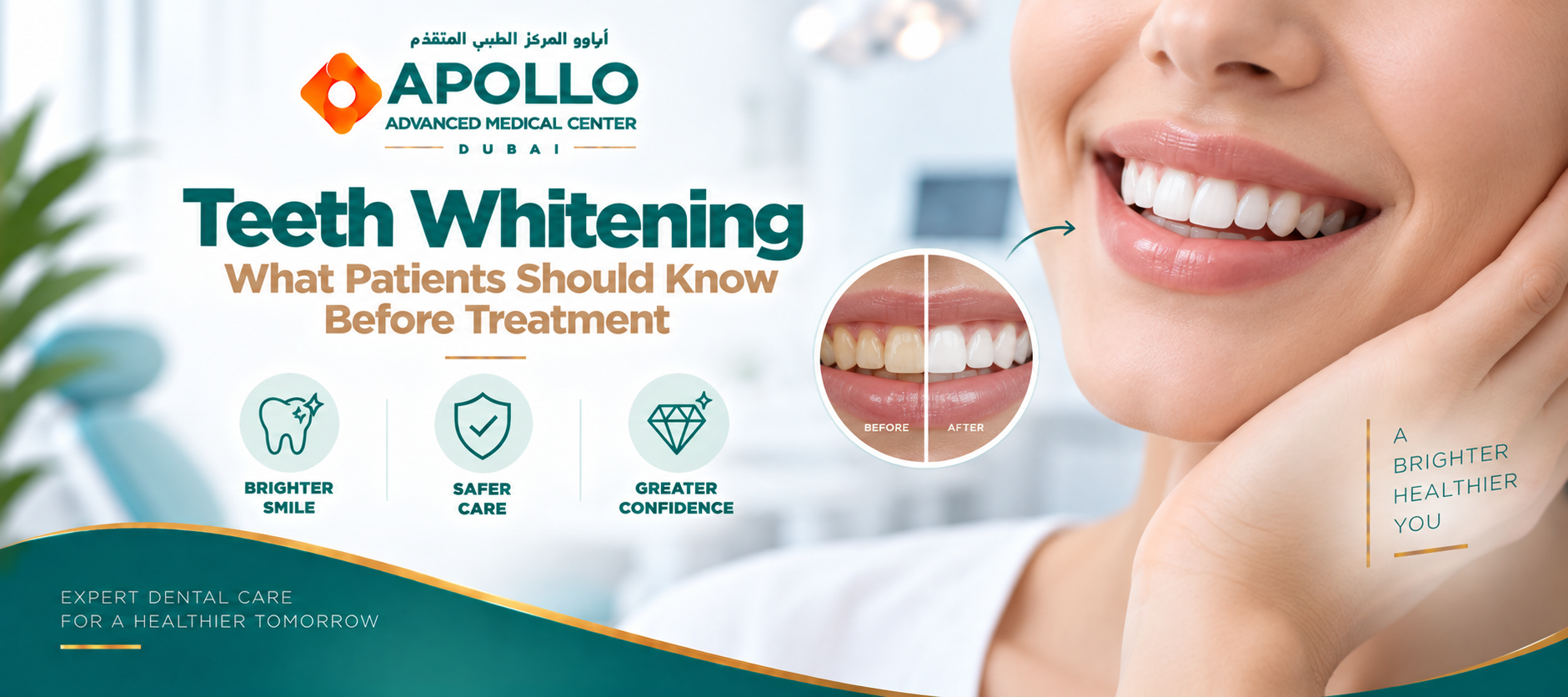
Want a Brighter Smile? Start With Professional Advice
A brighter smile is a common cosmetic dental goal. But before choosing a whitening treatment, it is important to understand why your teeth have become discoloured, whether whitening is appropriate for you, and what results you can realistically expect.
Teeth whitening can be an effective way to improve the appearance of natural teeth, but it is not a one-size-fits-all treatment. A professional dental assessment can help determine the cause of discoloration and whether whitening is the right option for your smile.
Why Do Teeth Become Discoloured?
Tooth colour can change for many reasons. Some discoloration develops on the surface of the tooth, while other types occur within the tooth itself.
Common factors include:
- Coffee and tea
- Certain foods and beverages
- Smoking or tobacco use
- Age-related changes
- Poor oral hygiene
- Surface staining
- Natural tooth colour
- Certain medications or dental conditions
The cause of discoloration matters because different types of stains may respond differently to whitening.
Surface Stains vs Internal Discoloration
Extrinsic stains develop on the outer surface of the teeth. Coffee, tea, tobacco and highly pigmented foods are common contributors.
Intrinsic discoloration occurs within the tooth and may be associated with factors such as aging, certain medications, dental conditions or changes that occurred during tooth development.
This is one reason why simply choosing the strongest whitening product is not necessarily the best approach.
How Does Teeth Whitening Work?
Professional teeth whitening generally uses peroxide-based ingredients such as hydrogen peroxide or carbamide peroxide.
These ingredients work through a chemical process that breaks down coloured compounds responsible for tooth discoloration, helping the natural teeth appear lighter.
The treatment can be provided in different ways, including:
- Professional in-office whitening
- Dentist-supervised whitening at home
- Over-the-counter whitening products
The appropriate option depends on your oral health, the type of discoloration and your treatment goals.
Why Should You See a Dentist Before Whitening?
Teeth whitening is a cosmetic procedure, but your oral health should come first.
Before treatment, a dentist can examine your teeth and gums and determine whether whitening is appropriate. This assessment can also help identify dental problems that may need attention before cosmetic treatment.
For example, patients with cavities, unhealthy gums or existing sensitivity may need dental care before beginning whitening.
A professional assessment can also help identify the cause of unusual or localized discoloration.
The goal is not simply to make teeth whiter—it is to do so appropriately and safely.
Professional Whitening vs At-Home Whitening
There are several approaches to whitening, and each has advantages and limitations.
Professional In-Office Whitening
In-office whitening is performed under dental supervision and can use a higher concentration of whitening agents than many over-the-counter products.
Because the treatment is professionally controlled, the dentist can take steps to protect the gums and monitor the procedure. Professional whitening can also provide faster visible results than many home-based options.
Dentist-Supervised At-Home Whitening
Your dentist may also provide custom-fitted trays and professional whitening gel for use at home.
This approach generally takes longer than an in-office procedure but allows whitening to take place gradually according to the dentist's instructions.
Over-the-Counter Products
Whitening toothpastes, strips, gels and other products are widely available.
Some can help with surface stains, but their effectiveness varies. Products used incorrectly can also contribute to sensitivity or gum irritation.
If you are unsure which option is suitable, discussing your goals with a dentist is a better starting point than experimenting with multiple products.
Will Whitening Make Crowns and Veneers Whiter?
This is an important point that many patients overlook.
Whitening affects natural teeth, not tooth-coloured restorations such as crowns and veneers.
If you already have crowns, veneers or other restorations, whitening could potentially create a difference between the colour of your natural teeth and the colour of your existing restorations.
That is why your dentist should know about any existing dental restorations before treatment.
Is Teeth Whitening Safe?
When appropriately planned and performed according to professional guidance, teeth whitening can be a safe cosmetic dental treatment.
However, whitening is not completely free of possible side effects.
The most common concerns include:
Tooth Sensitivity
Some patients experience temporary sensitivity to cold or sweet foods and drinks after whitening. Sensitivity can be influenced by factors such as the concentration of the whitening agent and treatment duration.
Gum Irritation
Whitening gel that comes into contact with the gums can cause temporary irritation. Proper application and professional supervision can help reduce this risk.
If you experience significant or persistent discomfort, speak with your dentist rather than continuing treatment on your own.
What About DIY Teeth Whitening?
The internet is full of home whitening ideas involving ingredients such as fruit, vinegar, charcoal and other household products.
However, natural does not automatically mean safe or effective.
For this reason, it is better to choose a whitening approach based on professional dental advice and evidence-based treatment rather than online trends.
How Long Do Teeth Whitening Results Last?
Teeth whitening is not permanent.
Over time, teeth can become darker again because of normal aging, dietary habits, smoking and exposure to staining foods and beverages.
Maintaining good oral hygiene and following your dentist's advice can help preserve the results.
It is also important to avoid repeatedly whitening your teeth without professional guidance. More whitening does not necessarily mean a better result.
How Can You Maintain a Brighter Smile?
After whitening, everyday habits can make a difference.
Consider:
- Brush your teeth regularly.
- Clean between your teeth.
- Attend routine dental checkups.
- Avoid smoking and tobacco.
- Limit frequent exposure to heavily staining drinks and foods.
- Follow your dentist's recommended maintenance plan.
- Avoid excessive or repeated whitening treatments.
Good oral hygiene remains important whether or not you choose cosmetic whitening.
Is Teeth Whitening Right for Everyone?
Not necessarily.
The suitability of whitening depends on factors such as:
- The health of your teeth and gums
- The cause of discoloration
- Existing tooth sensitivity
- Existing crowns, veneers or other restorations
- Your expectations
- Your age and individual dental circumstances
A dental examination allows these factors to be considered before treatment.
The most successful cosmetic dental treatment is not necessarily the strongest treatment—it is the one that is appropriate for your individual needs.
A Brighter Smile Starts With the Right Advice
Teeth whitening can be a useful cosmetic option for patients who want to improve the appearance of their natural teeth. But getting the best possible outcome involves more than simply purchasing a whitening product.
Understanding the reason for discoloration, assessing your oral health, choosing an appropriate treatment and having realistic expectations are all important parts of the process.
At Apollo Advanced Medical Center, Dubai, our dental team focuses on professional assessment and personalized dental care so patients can make informed decisions about their smiles.