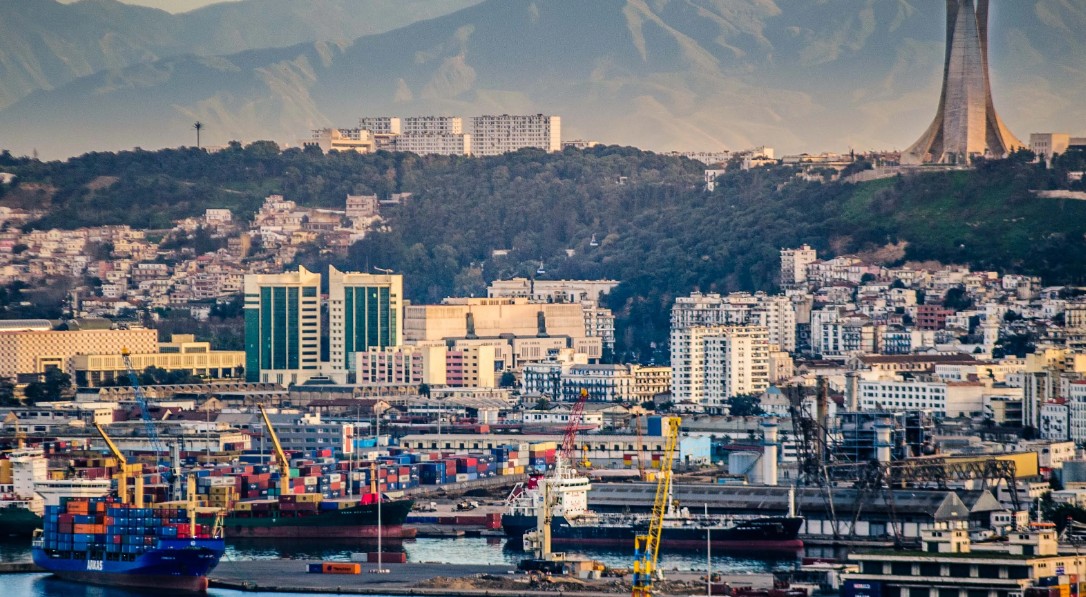
Algiers, Algeria: Where Mediterranean Heritage, Modern Ambition, and African Opportunity Meet
Algiers is the capital and largest city of Algeria, located along the Mediterranean coast of North Africa. Known for its striking white architecture and hillside setting overlooking the sea, Algiers is often associated with the name “Algiers the White.”
The city is Algeria's political, administrative, economic, cultural, and educational centre. It combines a long history with modern urban development, major infrastructure, universities, government institutions, ports, and growing opportunities in technology, manufacturing, energy, tourism, and services.
Algiers also serves as an important gateway between Africa, Europe, and the Mediterranean region.
Quick Facts
| Fact | Details |
|---|---|
| Country | Algeria 🇩🇿 |
| Capital City | Algiers |
| Region | North Africa |
| Location | Mediterranean coast |
| Official Languages | Arabic and Tamazight |
| Widely Used Languages | Algerian Arabic and French |
| Currency | Algerian Dinar (DZD) |
| Time Zone | Central European Time (UTC+1) |
| Climate | Mediterranean |
| Major Economic Activities | Energy, Government, Manufacturing, Trade, Construction, Services |
| Major Airport | Houari Boumediene Airport |
| Major Port | Port of Algiers |
| Known For | White architecture, Casbah, Mediterranean coastline, history, culture, and energy sector |
History of Algiers
Algiers has a long history stretching back through several important civilizations.
The region has been influenced by:
-
Amazigh civilizations
-
Phoenician and ancient Mediterranean trade
-
Roman influence
-
Islamic dynasties
-
Ottoman rule
-
French colonial rule
-
Modern independent Algeria
Algiers became an important Mediterranean port and political centre during the Ottoman period.
France occupied Algeria in 1830, beginning more than a century of colonial rule. After a long and difficult independence struggle, Algeria gained independence in 1962, with Algiers becoming the capital of the modern Algerian state.
Today, the city reflects this complex history through its architecture, neighbourhoods, museums, monuments, and cultural traditions.
A Rich and Diverse Culture
Algiers reflects Algeria's diverse cultural identity.
Its cultural influences include:
-
Amazigh heritage
-
Arab traditions
-
Islamic civilization
-
Ottoman architecture
-
Mediterranean culture
-
Andalusian influences
-
French colonial history
-
Contemporary Algerian identity
The city is known for:
-
Traditional music
-
Rai and Chaabi influences
-
Andalusian music
-
Literature
-
Cinema
-
Architecture
-
Fashion
-
Handicrafts
-
Football culture
-
Traditional cuisine
Algerian culture is a rich combination of African, Mediterranean, Arab, and Amazigh traditions.
Famous Tourist Attractions
1. Casbah of Algiers
The Casbah of Algiers is one of the city's most important historic areas and a UNESCO World Heritage Site.
The historic district is known for:
-
Narrow streets
-
Traditional houses
-
Ottoman-era architecture
-
Mosques
-
Historic buildings
-
Cultural heritage
Exploring the Casbah provides visitors with a glimpse into Algiers' historic urban life.
2. Martyrs' Memorial
The Martyrs' Memorial, also known as Maqam Echahid, is one of Algiers' most recognizable landmarks.
The monument commemorates those who died during Algeria's struggle for independence.
Its distinctive modern design makes it visible from many parts of the city.
3. Notre-Dame d'Afrique
Overlooking the Mediterranean Sea, Notre-Dame d'Afrique is one of Algiers' most famous architectural landmarks.
The basilica is known for its dramatic coastal location and panoramic views.
4. Botanical Garden of Hamma
The Botanical Garden of Hamma is one of the city's important green spaces.
Visitors can enjoy:
-
Gardens
-
Exotic plants
-
Walking paths
-
Historic landscapes
-
Relaxation
It provides a peaceful contrast to the busy urban environment.
5. Bardo National Museum of Prehistory and Ethnography
The museum offers insights into Algeria's:
-
Archaeology
-
Prehistory
-
Ethnography
-
Traditional cultures
-
Historical development
6. National Museum of Fine Arts
One of Algeria's major cultural institutions, featuring artistic collections and exhibitions.
It is an important destination for visitors interested in North African and international art.
7. Algiers Waterfront
The Mediterranean coastline is an important part of the city's identity.
The waterfront and surrounding areas offer opportunities for:
-
Walking
-
Photography
-
Dining
-
Relaxation
-
Exploring coastal views
Natural Beauty and Outdoor Activities
Algiers is located between the Mediterranean Sea and the hills of northern Algeria.
This geography provides opportunities for:
-
Coastal walks
-
Beach visits
-
Hiking
-
Photography
-
Garden visits
-
Cultural tours
-
Mediterranean sightseeing
The city's white buildings climbing the surrounding hills create one of North Africa's most distinctive urban landscapes.
Food and Culinary Scene
Algerian cuisine reflects Mediterranean, Amazigh, Arab, Ottoman, and French influences.
Popular dishes include:
-
Couscous
-
Chorba
-
Rechta
-
Chakhchoukha
-
Merguez
-
Mechoui
-
Grilled fish
-
Seafood
-
Brik
-
Traditional pastries
-
Dates
-
Mint tea
The Mediterranean location also makes fresh seafood an important part of Algiers' culinary scene.
Economy and Business Environment
Algiers is Algeria's most important economic and administrative centre.
The wider economy is strongly connected to the energy sector, particularly:
-
Natural gas
-
Petroleum
-
Petrochemicals
-
Energy infrastructure
However, Algeria is also working to develop and diversify sectors such as:
-
Manufacturing
-
Agriculture
-
Technology
-
Renewable energy
-
Construction
-
Tourism
-
Logistics
-
Financial services
-
Digital services
Algiers plays a central role in this economic transformation.
Business Opportunities in Algiers
1. Energy and Energy Services
Algeria is an important energy-producing country, creating opportunities in:
-
Oil and gas services
-
Engineering
-
Energy infrastructure
-
Industrial technology
-
Maintenance
-
Automation
-
Energy efficiency
-
Environmental services
The energy sector remains a major part of Algeria's economy.
2. Renewable Energy
Algeria has strong potential for renewable energy, particularly solar power.
Opportunities include:
-
Solar farms
-
Rooftop solar
-
Energy storage
-
Smart grids
-
Energy-efficient buildings
-
Solar-powered water systems
-
Green technology
-
Renewable-energy engineering
The country's large land area and high solar potential create long-term opportunities for clean-energy development.
3. Manufacturing
Algeria has opportunities to expand domestic manufacturing.
Potential sectors include:
-
Automotive components
-
Food processing
-
Pharmaceuticals
-
Construction materials
-
Electronics
-
Machinery
-
Textiles
-
Packaging
-
Consumer products
Local production and industrial development can support employment and economic diversification.
4. Technology and Digital Economy
Algiers has a growing technology and startup ecosystem.
Potential opportunities include:
-
Artificial Intelligence
-
Software development
-
FinTech
-
Cybersecurity
-
E-commerce
-
Cloud services
-
Digital payments
-
EdTech
-
HealthTech
-
Agritech
-
Government technology
A young population and increasing digital adoption can support the growth of technology businesses.
5. Agriculture and Food Processing
Although Algiers is primarily urban, Algeria has a large agricultural sector.
Business opportunities include:
-
Food processing
-
Agricultural machinery
-
Irrigation technology
-
Cold storage
-
Agricultural logistics
-
Packaging
-
Agritech
-
Climate-smart agriculture
6. Tourism and Hospitality
Algiers has significant potential for cultural and urban tourism.
Opportunities include:
-
Hotels
-
Boutique accommodation
-
Restaurants
-
Tour operators
-
Heritage tourism
-
Cultural experiences
-
Conference tourism
-
Travel technology
-
Event management
Algeria's combination of Mediterranean coastline, Roman heritage, Islamic architecture, mountains, and Sahara landscapes provides significant tourism potential.
7. Logistics and Trade
The Port of Algiers gives the city an important role in Mediterranean trade.
Potential opportunities include:
-
Warehousing
-
Freight forwarding
-
Shipping services
-
Customs support
-
Supply-chain technology
-
Cold-chain logistics
-
Transportation
-
Distribution
Algiers can serve as an important gateway for businesses connecting North Africa with Mediterranean and African markets.
Education
Algiers is one of Algeria's most important educational and research centres.
Major institutions include:
-
University of Algiers
-
University of Science and Technology Houari Boumediene
-
National Polytechnic School
-
Higher education institutions
-
Research centres
-
Technical institutes
Important fields include:
-
Engineering
-
Medicine
-
Science
-
Technology
-
Business
-
Economics
-
Law
-
Architecture
-
Artificial Intelligence
The city's educational infrastructure supports Algeria's future workforce and innovation ecosystem.
Transportation
Algiers has one of the more developed transportation networks in North Africa.
Transportation options include:
-
Algiers Metro
-
Tramway
-
Urban rail services
-
Buses
-
Taxis
-
Private vehicles
-
National rail connections
-
Maritime services
Houari Boumediene Airport is the city's main international aviation gateway.
The Port of Algiers supports maritime trade and transportation.
Shopping and Local Markets
Algiers offers a combination of traditional markets and modern commercial centres.
Visitors can purchase:
-
Traditional clothing
-
Carpets
-
Ceramics
-
Jewellery
-
Leather goods
-
Spices
-
Algerian sweets
-
Handicrafts
-
Contemporary fashion
The historic districts provide opportunities to discover traditional Algerian craftsmanship.
Cultural Events and Festivals
Algiers has an active cultural scene.
Events can include:
-
Music festivals
-
Film festivals
-
Theatre
-
Art exhibitions
-
Book fairs
-
Cultural celebrations
-
Fashion events
-
International conferences
The city plays an important role in Algeria's cultural, artistic, and intellectual life.
Living in Algiers
Algiers is a major Mediterranean metropolis with a mixture of historic districts and modern urban development.
Important areas include:
-
El Madania
-
Hydra
-
El Biar
-
Bab El Oued
-
Kouba
-
Bab Ezzouar
-
Hussein Dey
The city offers:
-
Universities
-
Hospitals
-
Hotels
-
Restaurants
-
Shopping centres
-
Parks
-
Museums
-
Government institutions
-
Diplomatic missions
-
Business districts
Why Visit Algiers?
Algiers offers a fascinating combination of Mediterranean beauty, history, architecture, culture, and modern city life.
-
History lovers can explore the Casbah and museums.
-
Architecture enthusiasts can discover Ottoman, Islamic, colonial, and modern buildings.
-
Culture lovers can experience Algerian music, food, literature, and traditions.
-
Nature enthusiasts can enjoy the Mediterranean coastline and nearby hills.
-
Business travellers can explore opportunities in energy, manufacturing, technology, logistics, and renewable energy.
Future Growth and Emerging Opportunities
Algiers has strong potential for development in several modern industries.
Key growth sectors include:
-
Artificial Intelligence
-
FinTech
-
Cybersecurity
-
Renewable Energy
-
Solar Technology
-
Green Hydrogen
-
Manufacturing Technology
-
Agritech
-
HealthTech
-
EdTech
-
E-commerce
-
Smart Cities
-
Digital Government
-
Logistics Technology
Economic diversification and investment in technology, education, infrastructure, and renewable energy could play an important role in the city's future.
Sustainable Development Opportunities
As Algiers continues to grow, sustainable urban development will become increasingly important.
Key opportunities include:
-
Solar energy
-
Energy efficiency
-
Sustainable transportation
-
Electric mobility
-
Green buildings
-
Water conservation
-
Waste recycling
-
Circular economy
-
Smart infrastructure
-
Coastal protection
-
Urban green spaces
Investment in sustainable infrastructure can help strengthen Algiers' position as a modern Mediterranean capital.
Algiers as a Gateway to Algeria and Africa
Algiers plays an important role as a gateway for:
-
Government relations
-
International trade
-
Energy
-
Manufacturing
-
Technology
-
Education
-
Investment
-
Tourism
-
Research
Its location on the Mediterranean also provides strategic connections with:
-
Europe
-
North Africa
-
The Middle East
-
Sub-Saharan Africa
This geographic position gives Algiers significant potential as a regional business and logistics centre.
Conclusion
Algiers is more than the capital of Algeria—it is a Mediterranean city where ancient history, Amazigh and Arab heritage, modern development, and economic opportunity come together.
From the historic Casbah of Algiers and the impressive Martyrs' Memorial to its museums, gardens, Mediterranean coastline, universities, and modern infrastructure, Algiers offers a distinctive experience in North Africa.
The city's strongest future opportunities are likely to emerge in energy, renewable energy, manufacturing, technology, artificial intelligence, logistics, agriculture, tourism, and sustainable development.
For travellers, entrepreneurs, investors, students, researchers, and international organisations, Algiers provides an important gateway to Algeria, North Africa, the Mediterranean, and wider African markets.
#Algiers #Algeria #VisitAlgeria #VisitAlgiers #NorthAfrica #Mediterranean #AfricanBusiness #BusinessOpportunities #Investment #AlgerianCulture #CasbahOfAlgiers #AlgiersTourism #AfricanHistory #AmazighCulture #ArabCulture #MediterraneanTourism #CulturalTourism #HeritageTourism #Energy #OilAndGas #NaturalGas #RenewableEnergy #SolarEnergy #GreenHydrogen #Manufacturing #Technology #ArtificialIntelligence #FinTech #Cybersecurity #Agritech #Tourism #Logistics #SmartCities #Education #DigitalTransformation #Entrepreneurship #EconomicDevelopment #SustainableDevelopment #ClimateResilience #ExploreAlgeria #ExploreAfrica #AlgeriaBusiness #FutureAfrica #lowkot