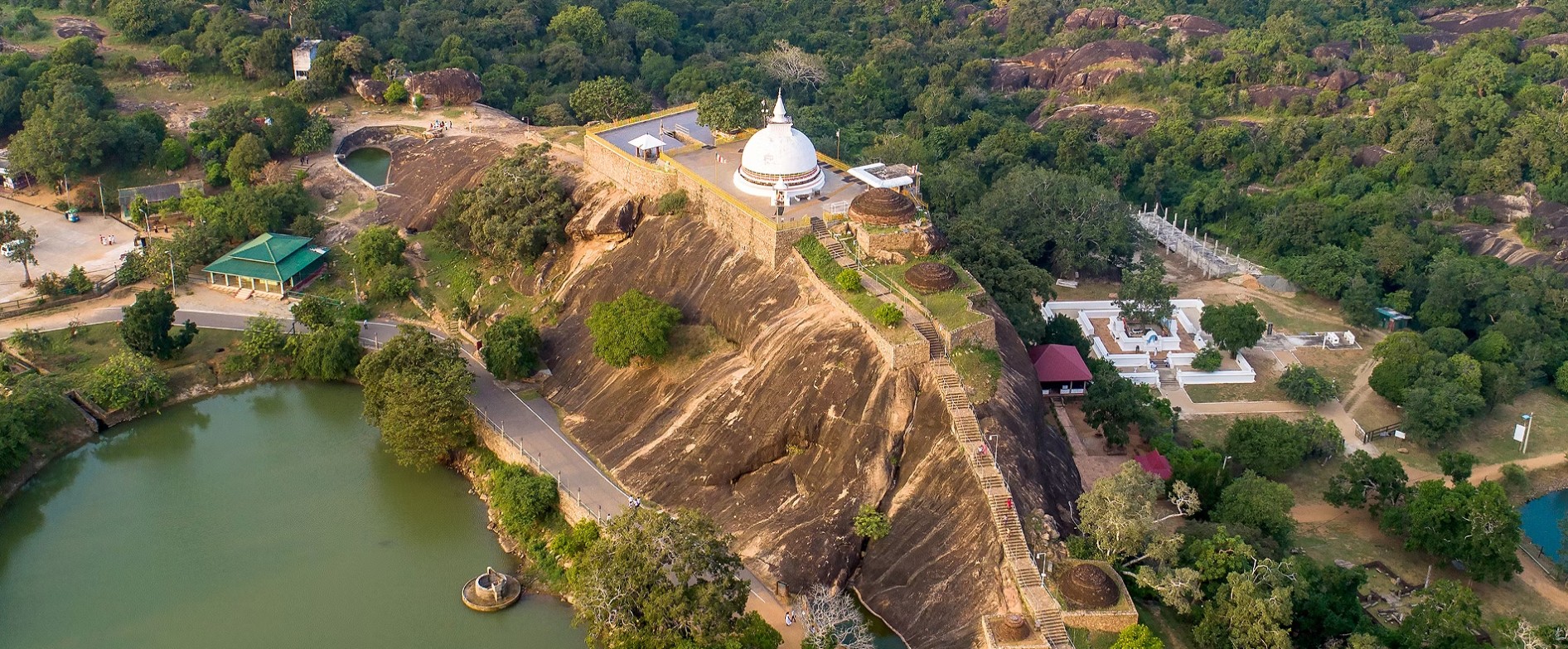
Hambantota, Sri Lanka – The Emerging Gateway to South Asia's Future
Discover Hambantota: Where Strategic Development, Natural Wonders, and Global Opportunity Converge
Hambantota, located on the southern coast of Sri Lanka, is rapidly transforming into one of South Asia's most significant economic, logistics, tourism, and industrial hubs. Once known primarily for its coastal landscapes and wildlife-rich ecosystems, Hambantota has evolved into a city of national importance, driven by world-class infrastructure, international investment, and ambitious development initiatives.
Positioned along one of the busiest maritime routes in the world, Hambantota serves as a strategic gateway connecting Asia, the Middle East, Africa, and Europe. With its deep-sea port, international airport, industrial zones, renewable energy projects, and growing tourism sector, the city represents a powerful vision of Sri Lanka's future economic growth.
Whether you're an investor, entrepreneur, traveler, or resident, Hambantota offers a rare combination of opportunity, innovation, natural beauty, and long-term development potential.
Why Hambantota is One of Sri Lanka's Most Important Growth Centers
Hambantota is not just another coastal city—it's a strategically planned development region designed to become a major center for logistics, manufacturing, trade, tourism, and sustainable economic growth.
Its unique advantages include:
-
Strategic location along global shipping lanes
-
International deep-water port facilities
-
Expanding industrial and investment zones
-
Rich wildlife and eco-tourism attractions
-
Large-scale infrastructure development
-
Access to renewable energy resources
-
Growing domestic and international investment opportunities
Today, Hambantota stands at the forefront of Sri Lanka's vision to become a regional trade and logistics powerhouse.
Top Places to Visit in Hambantota
Hambantota International Port
One of the largest infrastructure projects in Sri Lanka, the port has become a symbol of the city's transformation and strategic significance in global trade and maritime logistics.
Yala National Park
Located near Hambantota, Yala is Sri Lanka's most famous wildlife sanctuary, renowned for its leopard population, elephants, sloth bears, crocodiles, and diverse birdlife.
Bundala National Park
A UNESCO-recognized biosphere reserve, Bundala attracts nature enthusiasts and birdwatchers from around the world with its wetlands, lagoons, and migratory bird populations.
Mirijjawila Botanical Garden
A modern botanical garden featuring diverse plant species, educational exhibits, and beautifully landscaped environments.
Dry Zone Botanical Gardens
A unique attraction showcasing flora adapted to Sri Lanka's dry climatic conditions and supporting environmental conservation efforts.
Kalametiya Bird Sanctuary
An ecological treasure offering birdwatching, photography opportunities, and peaceful exploration of coastal wetlands.
Hambantota Salt Pans
A distinctive landscape reflecting the city's historical connection to salt production and traditional industries.
Nature, Wildlife, and Eco-Tourism
Hambantota is one of Sri Lanka's premier destinations for wildlife tourism and environmental exploration.
Safari Experiences
Visitors can encounter some of Asia's most remarkable wildlife through guided safaris and conservation-focused tourism.
Birdwatching Paradise
The region hosts hundreds of resident and migratory bird species, making it one of Sri Lanka's top birdwatching destinations.
Coastal Ecosystems
Mangroves, lagoons, beaches, and wetlands contribute to the city's rich biodiversity and ecological significance.
Sustainable Tourism
Eco-lodges, nature reserves, conservation programs, and responsible tourism initiatives continue to strengthen Hambantota's reputation as a sustainable travel destination.
Culture and Heritage of Hambantota
While modern development defines much of Hambantota's recent transformation, the city remains deeply connected to Sri Lanka's cultural roots.
Historical Maritime Legacy
For centuries, Hambantota served as an important coastal settlement for traders and travelers navigating the Indian Ocean.
Traditional Communities
Fishing, agriculture, and local craftsmanship continue to play an important role in preserving the region's cultural identity.
Religious Diversity
Temples, shrines, churches, and community institutions reflect the city's multicultural heritage.
Festivals and Celebrations
Popular events include:
-
Sinhala and Tamil New Year
-
Vesak Festival
-
Poson Festival
-
Deepavali
-
Christmas Celebrations
Southern Sri Lankan Cuisine
Visitors can enjoy:
-
Fresh Seafood Specialties
-
Traditional Rice and Curry
-
Southern-Style Fish Curry
-
Hoppers and String Hoppers
-
Coconut-Based Dishes
-
Tropical Fruits and Local Delicacies
Business and Investment Opportunities in Hambantota
Hambantota is increasingly recognized as one of Sri Lanka's most promising investment destinations.
Port and Maritime Industries
The Hambantota International Port provides opportunities in:
-
Shipping and Logistics
-
Maritime Services
-
Cargo Handling
-
Supply Chain Operations
-
International Trade
Industrial and Manufacturing Zones
The city's industrial parks support:
-
Manufacturing
-
Export-Oriented Industries
-
Processing Facilities
-
Warehousing and Distribution
Tourism and Hospitality
Luxury resorts, eco-tourism projects, hotels, restaurants, and recreational developments continue to attract significant investment.
Renewable Energy
Hambantota's favorable climate and geography support:
-
Solar Energy Projects
-
Wind Energy Developments
-
Sustainable Infrastructure Investments
Real Estate Development
Demand for residential communities, commercial properties, tourism-related developments, and mixed-use projects continues to grow.
Agriculture and Agribusiness
The surrounding region supports:
-
Modern Farming
-
Food Processing
-
Export Agriculture
-
Aquaculture Ventures
Infrastructure and Connectivity
Hambantota benefits from some of the most ambitious infrastructure investments in Sri Lanka.
Strategic Infrastructure Assets
The city features:
-
Hambantota International Port
-
Mattala Rajapaksa International Airport
-
Southern Expressway Connectivity
-
Modern Highway Networks
-
Industrial Development Zones
-
Logistics and Warehousing Facilities
Future Growth Potential
Ongoing infrastructure expansion is expected to further strengthen Hambantota's position as a major regional economic hub.
Lifestyle in Hambantota
Cost of Living
Hambantota offers a relatively affordable lifestyle with increasing access to modern amenities and services.
Education
The city continues to expand educational opportunities through schools, vocational institutes, and training centers.
Healthcare
Residents have access to public healthcare facilities, private medical services, and improving healthcare infrastructure.
Quality of Life
Wide open spaces, lower congestion levels, natural surroundings, and coastal living contribute to a relaxed and balanced lifestyle.
Safety and Community
Hambantota is known for its welcoming communities, family-oriented culture, and strong sense of local identity.
Climate and Best Time to Visit
Hambantota experiences a warm tropical climate throughout the year, characterized by abundant sunshine and relatively dry conditions.
The best time to visit is generally between December and April when weather conditions are ideal for wildlife safaris, sightseeing, outdoor adventures, and beach activities.
Why Hambantota Stands Out
Few cities in South Asia possess the combination of strategic geography, modern infrastructure, natural beauty, wildlife attractions, and investment potential found in Hambantota.
Its transformation from a traditional coastal town into an emerging international logistics and industrial hub demonstrates the city's extraordinary growth trajectory.
Whether you're exploring wildlife reserves, investing in industrial development, launching a business venture, or seeking new opportunities in tourism and renewable energy, Hambantota offers a compelling vision of the future.
Conclusion
Hambantota is more than a city—it's a symbol of Sri Lanka's ambition, resilience, and economic transformation. With its world-class port, international airport, thriving wildlife tourism, growing industrial base, and strategic location on global trade routes, Hambantota is positioned to become one of the most influential growth centers in the Indian Ocean region.
For investors, entrepreneurs, travelers, and families alike, Hambantota presents a unique opportunity to be part of a destination where innovation, nature, and development come together to shape the future.