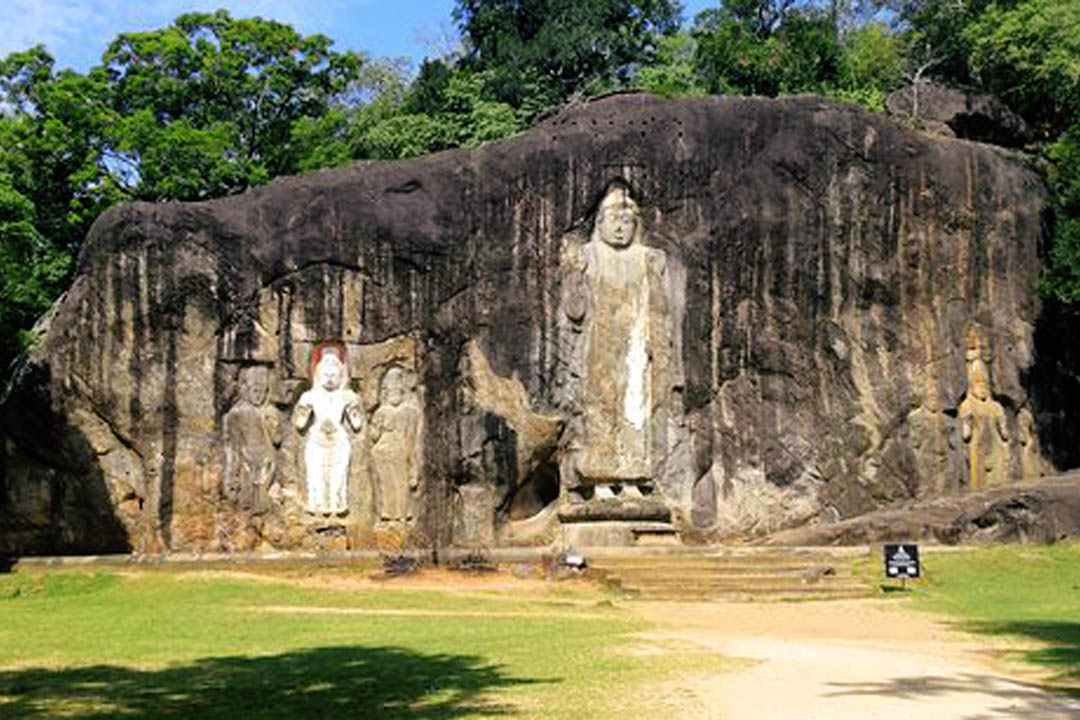
Badulla, Sri Lanka – The Gateway to the Hill Country and a Hidden Gem of the Uva Province
Discover Badulla: Where Misty Mountains, Ancient Heritage, and Local Life Intertwine
Badulla, the capital of Sri Lanka’s Uva Province, is a scenic hill-country city surrounded by tea plantations, waterfalls, forests, and mountainous terrain. Often overlooked in favor of nearby tourist hotspots like Ella and Nuwara Eliya, Badulla remains one of Sri Lanka’s most authentic, peaceful, and culturally rich destinations.
Steeped in history and natural beauty, Badulla offers a perfect blend of colonial heritage, Buddhist temples, rural landscapes, and emerging urban development. It is both a traditional administrative center and a growing gateway for tourism in the southeastern hill country.
For travelers seeking an off-the-beaten-path experience, Badulla delivers a refreshing combination of nature, culture, and everyday Sri Lankan life away from heavy tourist crowds.
Why Badulla is One of Sri Lanka’s Most Underrated Hill-Country Destinations
Badulla is often overshadowed by its neighboring tourist hubs, yet it holds immense cultural, historical, and geographical importance.
It is known for:
-
Capital city of Uva Province
-
Surrounded by lush tea estates and mountain ranges
-
Rich colonial and Buddhist heritage
-
Close proximity to Ella and Horton Plains routes
-
Waterfalls and natural attractions
-
Authentic rural Sri Lankan lifestyle
-
Growing eco-tourism potential
-
Important transport and railway hub in the hill country
Badulla offers a rare mix of urban life and untouched natural surroundings.
Top Places to Visit in Badulla
Muthiyangana Raja Maha Viharaya
One of the most sacred Buddhist temples in Sri Lanka, this ancient stupa is believed to have been visited by Lord Buddha during his third visit to the island.
Dunhinda Falls
One of Sri Lanka’s most beautiful waterfalls, Dunhinda Falls is famous for its misty spray and scenic trekking trail through lush forest paths.
Badulla Railway Station
A historic railway station located at the end of the famous hill-country line, showcasing colonial-era architecture and scenic rail connectivity.
Bogoda Wooden Bridge
One of the oldest surviving wooden bridges in Sri Lanka, built during the Kandyan period, reflecting traditional engineering skills.
Halpe Tea Factory
A working tea factory offering visitors insights into Ceylon tea production and hill-country plantation culture.
Namunukula Mountain Range
A stunning mountain range ideal for trekking, photography, and panoramic views of the Uva Province landscape.
Culture and Heritage of Badulla
Ancient Buddhist Significance
Badulla is home to several ancient temples and religious sites that reflect centuries of Buddhist devotion.
Colonial Influence
The city preserves elements of British-era architecture, especially in railway infrastructure and administrative buildings.
Rural Cultural Identity
Badulla showcases traditional Sri Lankan village life, handicrafts, farming practices, and community traditions.
Festivals and Celebrations
Key cultural events include:
-
Sinhala and Tamil New Year
-
Vesak Festival
-
Deepavali
-
Local temple festivals
-
Harvest celebrations in rural areas
Nature and Scenic Beauty of Badulla
Tea Plantations and Hills
Badulla is surrounded by rolling tea estates that contribute to Sri Lanka’s world-famous Ceylon tea industry.
Waterfalls and Rivers
The region is rich in natural water systems, including:
-
Dunhinda Falls
-
Ravana Ella (nearby route)
-
Smaller hidden cascades and streams
Mountain Landscapes
The city is framed by mountains such as Namunukula, offering breathtaking views and cool climates.
Biodiversity
Forests and highlands around Badulla support diverse flora, fauna, and birdlife.
Business and Investment Opportunities in Badulla
Badulla is gradually developing as a regional hub for agriculture, tourism, and infrastructure.
Eco-Tourism Development
Opportunities include:
-
Nature lodges
-
Hiking tours
-
Waterfall excursions
-
Cultural tourism experiences
Tea and Agriculture Industry
The region is a key producer of:
-
Ceylon tea
-
Vegetables
-
Spices
-
Fruits
Small and Medium Enterprises
Local businesses in retail, transport, and hospitality are steadily growing.
Infrastructure Growth
Improving road and rail connectivity enhances long-term investment potential.
Lifestyle in Badulla
Cost of Living
Badulla offers an affordable and peaceful lifestyle compared to major urban and tourist cities.
Education
The city has schools, vocational institutes, and access to regional higher education centers.
Healthcare
Government hospitals and private clinics provide essential medical services to residents.
Transportation
Badulla is well connected through:
-
Famous hill-country railway line
-
Bus routes to Colombo, Kandy, and Ella
-
Road networks across Uva Province
Community and Safety
The city is known for its calm environment, friendly communities, and strong cultural values.
Climate and Best Time to Visit
Badulla experiences a mild hill-country climate with cooler temperatures compared to lowland Sri Lanka.
The best time to visit is:
-
December to April (pleasant weather and clear views)
-
Early mornings for waterfall visits and hiking
Why Badulla Stands Out
Badulla is unique because it offers:
-
Authentic Sri Lankan hill-town life
-
Access to hidden natural attractions
-
Rich cultural and religious heritage
-
Less crowded tourism experience
-
Strategic location near major hill-country destinations
It is a destination where everyday life and natural beauty coexist seamlessly.
Conclusion
Badulla is more than just a provincial capital—it is a peaceful gateway into Sri Lanka’s hill-country heartland. From sacred temples and historic bridges to waterfalls, tea plantations, and mountain ranges, Badulla offers a deeply authentic and enriching experience.
For travelers, explorers, and investors seeking something beyond mainstream tourism, Badulla represents a hidden gem where nature, culture, and tradition come together in perfect harmony.