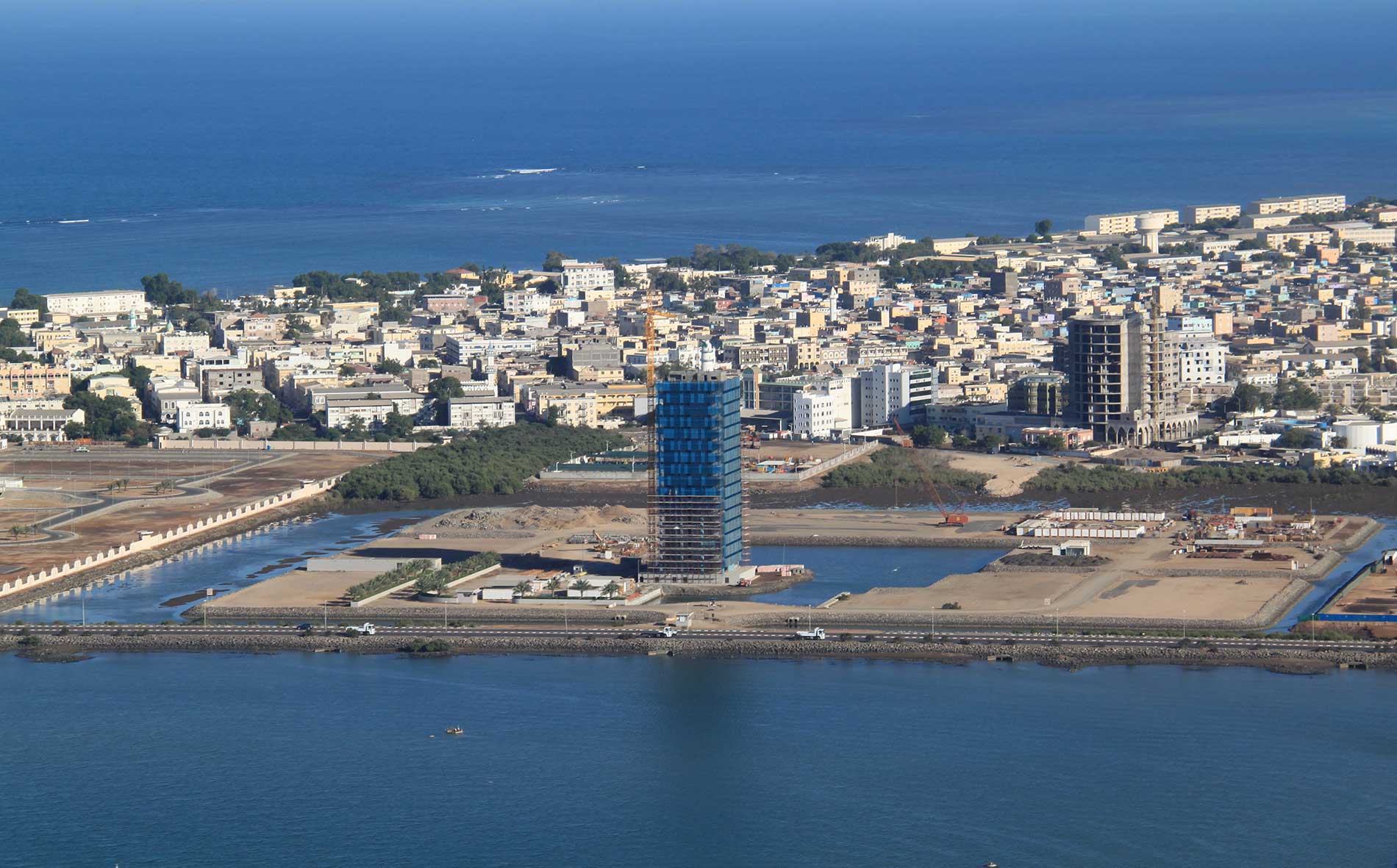
Djibouti City, Djibouti: The Strategic Gateway Between Africa, the Middle East, and Global Trade
Djibouti City, the capital and largest city of the Republic of Djibouti, is one of the most strategically located cities in the world. Situated on the southern coast of the Gulf of Tadjoura, near the entrance to the Red Sea and the Bab el-Mandeb Strait, the city serves as a vital gateway connecting Africa, the Middle East, Europe, and Asia.
Founded in 1888 during the French colonial period, Djibouti City has evolved into East Africa's leading logistics, shipping, and maritime hub. The city's modern ports, free trade zones, and transport infrastructure make it an essential centre for international commerce and regional trade.
Today, Djibouti City is the political, economic, financial, and cultural heart of Djibouti, attracting investors, logistics companies, multinational businesses, and travellers from around the world.
Overview of Djibouti City
Djibouti City is Djibouti's political, commercial, and financial capital.
Quick Facts
-
Country: Djibouti
-
Capital: Djibouti City
-
Population: Approximately 650,000
-
Time Zone: East Africa Time (EAT, UTC+3)
-
Official Languages: French and Arabic
-
Widely Spoken Languages: Somali, Afar, English (in business and tourism)
-
Currency: Djiboutian Franc (DJF)
-
Climate: Hot desert climate with warm temperatures throughout the year
-
Major Industries: Logistics, Shipping, Port Services, Transportation, Finance, Telecommunications, Construction, Tourism, Renewable Energy, Fisheries
History and Cultural Heritage
Djibouti City was established by the French in the late 19th century and quickly became an important port due to its strategic location on one of the world's busiest maritime trade routes.
The city reflects a blend of African, Arab, French, and Somali cultural influences. Throughout its history, it has served as a crossroads for merchants, sailors, diplomats, and travellers.
Today, Djibouti City continues to preserve its multicultural identity while expanding its role as a modern logistics and trade centre.
A Rich and Diverse Culture
Djibouti City celebrates the country's multicultural heritage.
The city's cultural highlights include:
-
Somali traditions
-
Afar culture
-
Arabic heritage
-
French influence
-
Traditional music
-
Folk dances
-
Islamic culture
-
Local handicrafts
-
Maritime traditions
-
Cultural festivals
The city's diversity creates a welcoming environment for visitors from around the world.
Famous Tourist Attractions
1. Place Menelik
The historic central square of Djibouti City, surrounded by colonial-era buildings, cafés, and government offices.
2. Hamoudi Mosque
One of Djibouti City's most important religious landmarks, admired for its elegant Islamic architecture.
3. Djibouti Port
One of Africa's busiest and most modern ports, offering impressive views of international maritime activity.
4. Central Market (Marché Central)
A lively marketplace selling spices, textiles, handicrafts, jewellery, traditional clothing, fresh produce, and local products.
5. European Quarter
A historic district featuring French colonial architecture, wide boulevards, cafés, and government buildings.
6. Heron Beach
A peaceful beach offering swimming, relaxation, and scenic views of the Gulf of Tadjoura.
7. Tropical Aquarium
A popular attraction showcasing the rich marine biodiversity of the Red Sea and the Gulf of Aden.
8. People's Palace
An important government landmark used for national ceremonies and official events.
9. Khor Ambado Beach
A favourite destination for beach lovers, snorkelling, diving, and weekend recreation.
10. Lake Assal (Day Trip)
Located about 120 km from the city, Lake Assal is one of the world's saltiest lakes and the lowest point in Africa, surrounded by spectacular volcanic landscapes.
Natural Beauty and Outdoor Activities
Djibouti offers extraordinary natural landscapes.
Popular activities include:
-
Scuba diving
-
Snorkelling
-
Whale shark watching (seasonal)
-
Desert exploration
-
Hiking
-
Boat cruises
-
Beach activities
-
Photography
-
Bird watching
-
Marine eco-tourism
Nearby attractions include:
-
Lake Assal
-
Lake Abbe
-
Day Forest National Park
-
Gulf of Tadjoura
-
Moucha Island
-
Seven Brothers Islands
Food and Culinary Scene
Djibouti City's cuisine reflects African, Arab, French, and Ethiopian influences.
Popular local dishes include:
-
Skoudehkaris
-
Fah-fah
-
Grilled seafood
-
Sambusas
-
Lahooh
-
Camel meat dishes
-
Fresh fish
-
Rice dishes
-
French pastries
-
Traditional tea
The city also offers Ethiopian, Yemeni, Indian, Lebanese, Italian, French, Chinese, and international restaurants.
Economy and Business Environment
Djibouti City is one of Africa's leading logistics and maritime centres.
Major industries include:
-
Port Services
-
Logistics
-
Shipping
-
Transportation
-
Banking
-
Telecommunications
-
Construction
-
Renewable Energy
-
Tourism
-
Fisheries
Its strategic location continues to attract international investment and regional trade.
Business Opportunities in Djibouti City
Djibouti City offers excellent investment opportunities across several sectors.
Logistics and Shipping
The city is one of Africa's most important logistics hubs.
Business opportunities include:
-
Freight forwarding
-
Warehousing
-
Supply chain management
-
Maritime services
-
Shipping agencies
-
Customs services
Free Trade Zones
Djibouti's free trade zones support investment in:
-
Manufacturing
-
International trade
-
Distribution centres
-
Export businesses
-
Industrial services
Renewable Energy
Emerging opportunities include:
-
Solar energy
-
Wind energy
-
Geothermal energy
-
Sustainable infrastructure
-
Energy efficiency
Tourism
The country's unique landscapes create opportunities in:
-
Eco-tourism
-
Marine tourism
-
Adventure tourism
-
Hotels
-
Tour operations
-
Hospitality services
Fisheries and Blue Economy
Business opportunities include:
-
Seafood exports
-
Fish processing
-
Aquaculture
-
Marine logistics
-
Cold storage
Information Technology
Growing digital transformation creates opportunities in:
-
Artificial Intelligence (AI)
-
Software Development
-
Cybersecurity
-
Data Centres
-
Cloud Computing
-
Smart Port Technologies
Education
Djibouti City is home to the country's leading educational institutions.
Major institutions include:
-
University of Djibouti
-
Djibouti Institute of Technology
-
Higher Institute of Health Sciences
These institutions contribute to education in engineering, logistics, business, medicine, science, and technology.
Transportation
Djibouti City has one of East Africa's strongest transport infrastructures.
Transportation includes:
-
Djibouti–Ambouli International Airport
-
Port of Djibouti
-
Addis Ababa–Djibouti Railway
-
Modern highways
-
Public buses
-
Taxis
Its transport network serves as a vital gateway for Ethiopia and the wider Horn of Africa.
Shopping Destinations
Popular shopping areas include:
-
Central Market
-
Place Menelik
-
Local craft markets
-
Shopping centres
-
Waterfront retail areas
Visitors can purchase traditional handicrafts, textiles, spices, incense, jewellery, leather products, artwork, perfumes, and locally made souvenirs.
Annual Festivals and Events
Djibouti City hosts various cultural and business events throughout the year, including:
-
Independence Day celebrations
-
Cultural festivals
-
Maritime conferences
-
Investment forums
-
Trade exhibitions
-
Tourism expos
-
Educational conferences
-
Sporting events
-
Music festivals
-
Community celebrations
These events encourage economic growth, tourism, and international cooperation.
Living in Djibouti City
Djibouti City offers a multicultural and business-oriented lifestyle.
Residents enjoy:
-
Modern infrastructure
-
Growing employment opportunities
-
International business environment
-
Coastal lifestyle
-
Expanding education sector
-
Healthcare facilities
-
Diverse communities
-
Strategic global connectivity
The city's location makes it especially attractive for logistics professionals, entrepreneurs, diplomats, and international organisations.
Why Visit Djibouti City?
Djibouti City offers memorable experiences for every visitor.
-
History enthusiasts can explore colonial architecture and multicultural heritage.
-
Nature lovers can visit Lake Assal, Lake Abbe, beaches, and marine reserves.
-
Entrepreneurs can discover opportunities in logistics, shipping, renewable energy, fisheries, tourism, and technology.
-
Adventure travellers can enjoy diving, snorkelling, hiking, and whale shark encounters.
-
Food lovers can experience a unique blend of African, Arab, and French cuisine.
-
Photographers can capture dramatic volcanic landscapes and pristine coastlines.
Future Growth and Emerging Opportunities
Djibouti City continues to strengthen its position as one of Africa's leading logistics and trade gateways.
Emerging industries include:
-
Artificial Intelligence
-
Smart Ports
-
Financial Technology (FinTech)
-
Renewable Energy
-
Green Hydrogen
-
Digital Logistics
-
Blue Economy
-
Healthcare Technology
-
Sustainable Tourism
-
Smart Infrastructure
-
Data Centres
-
Innovation and Research
Supported by strategic investments, modern ports, international partnerships, and its location on one of the world's busiest shipping routes, Djibouti City is well-positioned for sustainable economic growth and global business expansion.
Conclusion
Djibouti City is far more than the capital of Djibouti—it is a strategic gateway connecting Africa with the Middle East, Europe, and Asia. From its world-class port and vibrant multicultural heritage to the spectacular landscapes of Lake Assal and the Gulf of Tadjoura, the city offers exceptional opportunities for travellers, entrepreneurs, investors, and students.
Whether you are exploring its rich cultural heritage, investing in one of Africa's fastest-growing logistics hubs, or discovering its extraordinary natural beauty, Djibouti City stands as a symbol of resilience, connectivity, and future growth.
#DjiboutiCity #Djibouti #VisitDjibouti #TravelGuide #EastAfrica #HornOfAfrica #RedSea #GulfOfTadjoura #BusinessOpportunities #Investment #Logistics #Shipping #PortServices #FreeTradeZone #ArtificialIntelligence #RenewableEnergy #BlueEconomy #Tourism #Entrepreneurship #SmartPorts #DigitalInnovation #LakeAssal #MarineTourism #EconomicDevelopment #CulturalHeritage #AfricanBusiness #SustainableDevelopment #InnovationHub #GlobalTrade #FutureAfrica #lowkot