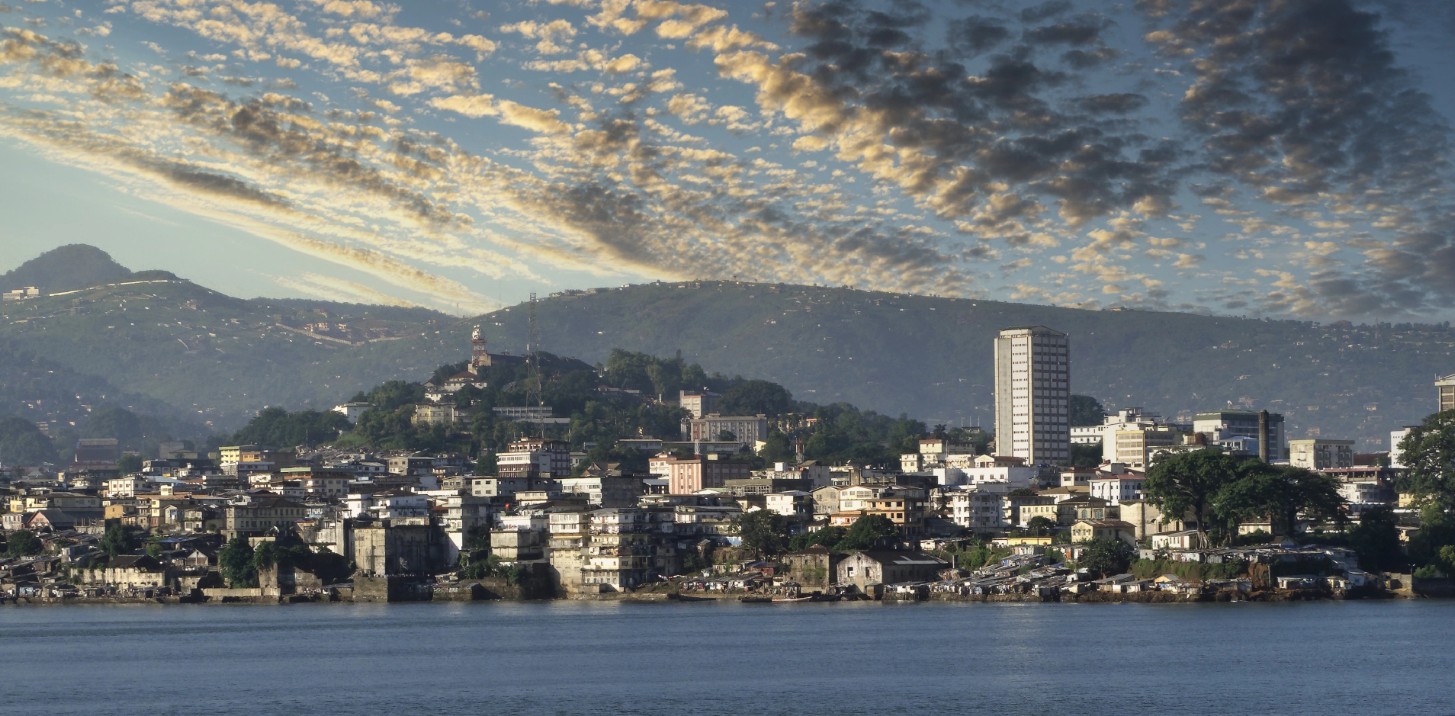
Freetown, Sierra Leone: Where Mountains, Ocean, Culture, and Opportunity Meet
Freetown is the capital and largest city of Sierra Leone, located on the Atlantic coast of West Africa. It is the country's political, commercial, educational, cultural, and transportation centre.
The city is famous for its dramatic setting between the Atlantic Ocean and the Sierra Leone Mountains, creating one of the most distinctive urban landscapes in West Africa.
Freetown also has an important place in African and global history. It was founded in the late 18th century as a settlement for formerly enslaved Africans and later became an important centre for education, Christianity, trade, and political development in West Africa.
Today, Freetown combines historic neighbourhoods, busy markets, beautiful beaches, universities, growing businesses, and a young entrepreneurial population.
## Quick Facts
| Fact | Details |
|---|---|
| Country | Sierra Leone 🇸🇱 |
| Capital City | Freetown |
| Region | West Africa |
| Location | Atlantic coast of Sierra Leone |
| Official Language | English |
| Widely Spoken Language | Krio |
| Currency | Sierra Leonean Leone (SLE) |
| Time Zone | Greenwich Mean Time (UTC+0) |
| Climate | Tropical monsoon / humid tropical climate |
| Major Economic Activities | Trade, Services, Fisheries, Agriculture, Mining, Construction, Tourism |
| Major Airport | Freetown International Airport |
| Main Port | Queen Elizabeth II Quay |
| Major Natural Features | Atlantic Ocean, Sierra Leone Peninsula, mountains, beaches |
| Known For | History, beaches, mountains, Krio culture, music, and resilience |
History of Freetown
Freetown's history is closely connected to the transatlantic slave trade and the movement to establish settlements for formerly enslaved people.
The settlement was founded in 1792 by formerly enslaved African Americans and Black Loyalists under the leadership of the Sierra Leone Company.
The city later became a major centre for the resettlement of formerly enslaved Africans.
During the colonial period, Freetown developed as the capital of British Sierra Leone and became an important centre for education, religion, trade, and administration.
Sierra Leone gained independence from Britain in 1961, with Freetown continuing as the country's capital.
A Rich and Diverse Culture
Freetown has a distinctive cultural identity influenced by numerous communities.
The city is particularly associated with:
-
Krio culture
-
Temne traditions
-
Mende heritage
-
Limba culture
-
Sherbro traditions
-
West African influences
-
African diaspora heritage
Krio is especially important to Freetown's identity and is widely used as a language of everyday communication.
The city's culture is expressed through:
-
Music
-
Dance
-
Food
-
Fashion
-
Storytelling
-
Festivals
-
Art
-
Religious traditions
Famous Tourist Attractions
1. Cotton Tree
The Cotton Tree became one of Freetown's most recognizable historical symbols.
Located in the centre of the city, it has long been associated with the arrival and settlement of formerly enslaved Africans.
2. National Museum of Sierra Leone
The National Museum provides insight into Sierra Leone's:
-
History
-
Traditional cultures
-
Archaeology
-
Art
-
Colonial heritage
-
Independence
It is an important destination for understanding the country's cultural development.
3. Fourah Bay College
Founded in 1827, Fourah Bay College became one of the most historically significant higher-education institutions in West Africa.
Its long educational tradition helped Freetown develop a reputation as an intellectual centre.
4. King's Yard Gate
The historic gate is associated with the resettlement of formerly enslaved Africans and is an important part of Freetown's heritage.
5. St. George's Cathedral
A prominent historic religious building and an important part of Freetown's architectural heritage.
6. Tacugama Chimpanzee Sanctuary
Located in the hills outside the central city, the sanctuary focuses on the protection and rehabilitation of chimpanzees.
It also provides an opportunity to learn about Sierra Leone's wildlife and conservation efforts.
7. Lumley Beach
One of Freetown's best-known coastal destinations.
Visitors can enjoy:
-
Beach walks
-
Restaurants
-
Local food
-
Photography
-
Sunsets
-
Recreational activities
8. River Number Two Beach
Located outside central Freetown, River Number Two Beach is known for its beautiful tropical scenery and clear coastal waters.
It is one of the country's most popular beach destinations.
9. Leicester Peak
The mountainous surroundings of Freetown provide spectacular viewpoints over the city and Atlantic coastline.
Natural Beauty and Outdoor Activities
Freetown is particularly attractive for nature lovers because of its unusual combination of mountains, forests, beaches, and ocean.
Popular activities include:
-
Hiking
-
Beach visits
-
Surfing
-
Photography
-
Bird watching
-
Nature walks
-
Wildlife conservation visits
-
Boat trips
-
Fishing
-
Cultural tours
The Western Area Peninsula National Park is particularly important for protecting the region's forests and wildlife.
Food and Culinary Scene
Freetown offers a diverse Sierra Leonean culinary experience.
Popular dishes include:
-
Jollof rice
-
Cassava leaves
-
Groundnut stew
-
Okra soup
-
Pepper soup
-
Fried plantain
-
Grilled fish
-
Grilled chicken
-
Cassava
-
Rice and stew
-
Seafood
Because of its coastal location, fresh fish and seafood are an important part of local cuisine.
Economy and Business Environment
Freetown is the commercial centre of Sierra Leone.
Major sectors include:
-
Trade
-
Financial services
-
Telecommunications
-
Construction
-
Tourism
-
Fisheries
-
Transportation
-
Retail
-
Government services
-
Professional services
Sierra Leone also has significant natural resources, particularly:
-
Iron ore
-
Gold
-
Diamonds
-
Rutile
-
Bauxite
Mining is an important contributor to the national economy.
Business Opportunities in Freetown
1. Agriculture and Agribusiness
Agriculture provides major opportunities across Sierra Leone.
Potential areas include:
-
Rice production
-
Cocoa
-
Coffee
-
Cassava
-
Palm oil
-
Vegetables
-
Poultry
-
Livestock
-
Food processing
-
Agricultural machinery
-
Cold-chain logistics
Developing modern food-processing businesses can help increase local value addition.
2. Fisheries and Aquaculture
Freetown's Atlantic location creates opportunities in:
-
Sustainable fishing
-
Fish processing
-
Cold storage
-
Seafood distribution
-
Aquaculture
-
Fishing equipment
-
Marine logistics
Sustainable management is essential to protect the country's marine resources.
3. Mining Services
Sierra Leone's mineral resources create opportunities beyond mining itself.
Potential businesses include:
-
Mining equipment
-
Transportation
-
Logistics
-
Geological services
-
Environmental management
-
Mineral processing
-
Safety technology
-
Infrastructure services
4. Renewable Energy
Expanding access to reliable electricity creates opportunities in:
-
Solar power
-
Off-grid systems
-
Mini-grids
-
Battery storage
-
Solar irrigation
-
Solar water systems
-
Clean cooking
-
Energy-efficient buildings
5. Tourism and Hospitality
Freetown's beaches, mountains, history, and wildlife create opportunities in:
-
Hotels
-
Eco-lodges
-
Restaurants
-
Tour operators
-
Beach tourism
-
Heritage tourism
-
Adventure tourism
-
Conference tourism
-
Event management
6. Technology and Digital Services
Freetown's growing digital ecosystem presents opportunities in:
-
FinTech
-
Mobile payments
-
E-commerce
-
Agritech
-
EdTech
-
HealthTech
-
Artificial Intelligence
-
Software development
-
Digital government
-
Cybersecurity
Education
Freetown is Sierra Leone's leading educational centre.
Important institutions include:
-
Fourah Bay College
-
University of Sierra Leone
-
Njala University-related institutions
-
Milton Margai Technical University
-
Various private universities and colleges
The city has educational programmes covering:
-
Medicine
-
Engineering
-
Law
-
Business
-
Agriculture
-
Education
-
Economics
-
Information Technology
-
Public Administration
Transportation
Freetown is Sierra Leone's main transportation hub.
Transportation options include:
-
Taxis
-
Minibuses
-
Motorbike taxis in permitted areas
-
Private vehicles
-
Water taxis
-
Ferries
-
Boats
Freetown International Airport, located across the Sierra Leone River at Lungi, is connected to the capital through maritime and road-water transportation services.
The port also supports national and international trade.
Shopping and Local Markets
Freetown has a lively market culture.
Popular commercial areas include:
-
Central Freetown
-
Big Market
-
Lumley
-
Kissy
-
Local craft markets
Visitors can purchase:
-
African fabrics
-
Clothing
-
Jewellery
-
Wood carvings
-
Traditional crafts
-
Artwork
-
Food products
-
Handmade souvenirs
Cultural Events and Festivals
Freetown hosts a variety of cultural and community events.
These can include:
-
Independence celebrations
-
Music festivals
-
Film events
-
Fashion shows
-
Cultural exhibitions
-
Food festivals
-
Art events
-
Religious celebrations
-
Sports competitions
Music, especially contemporary Sierra Leonean and Krio-influenced styles, is an important part of the city's cultural life.
Living in Freetown
Freetown is a densely populated coastal city surrounded by hills.
Important areas include:
-
Central Freetown
-
Lumley
-
Aberdeen
-
Hill Station
-
Wilberforce
-
Congo Town
-
Kissy
The city offers:
-
Universities
-
Hospitals
-
Hotels
-
Restaurants
-
Markets
-
Shopping facilities
-
Government institutions
-
Diplomatic missions
-
Business centres
Urban development priorities include transportation, drainage, housing, waste management, energy, and water infrastructure.
Why Visit Freetown?
Freetown offers an unusual combination of history, mountains, beaches, and culture.
-
History enthusiasts can explore the city's connection to the African diaspora and abolition history.
-
Nature lovers can visit forests, mountains, wildlife sanctuaries, and beaches.
-
Beach lovers can explore Lumley and River Number Two Beach.
-
Culture enthusiasts can discover Krio heritage, food, music, and traditional crafts.
-
Business travellers can explore mining, agriculture, fisheries, tourism, energy, and technology.
Future Growth and Emerging Opportunities
Freetown has strong potential for growth in several emerging industries.
Potential sectors include:
-
Artificial Intelligence
-
FinTech
-
Agritech
-
Renewable Energy
-
Digital Government
-
E-commerce
-
HealthTech
-
EdTech
-
Sustainable Tourism
-
Fisheries Technology
-
Logistics Technology
-
Green Construction
Investment in education, infrastructure, digital connectivity, energy, and skills development can help strengthen the city's economic future.
Sustainable Development Opportunities
Freetown's coastal and mountainous geography makes environmental protection especially important.
Key opportunities include:
-
Coastal protection
-
Flood management
-
Waste recycling
-
Sustainable drainage
-
Urban tree planting
-
Renewable energy
-
Clean transportation
-
Sustainable fisheries
-
Forest conservation
-
Climate-smart agriculture
-
Eco-tourism
Protecting the Western Area Peninsula and coastal ecosystems can support biodiversity while creating long-term tourism and economic opportunities.
Freetown as a Gateway to Sierra Leone
Freetown is the country's primary gateway for international business, tourism, government, and trade.
The city can serve as a base for organisations and companies working in:
-
Mining
-
Agriculture
-
Fisheries
-
Renewable energy
-
Tourism
-
Logistics
-
Technology
-
Education
-
Healthcare
-
International development
Its Atlantic location also gives Freetown strategic importance for maritime trade and regional connectivity.
Conclusion
Freetown is more than the capital of Sierra Leone—it is a city where African history, Atlantic heritage, tropical nature, and modern entrepreneurship come together.
From the historic Cotton Tree and Fourah Bay College to Lumley Beach, the mountains, wildlife sanctuaries, markets, and vibrant cultural scene, Freetown offers a distinctive experience within West Africa.
The city's future opportunities are particularly promising in tourism, agriculture, fisheries, renewable energy, mining services, logistics, technology, construction, and digital services.
For travellers, entrepreneurs, investors, researchers, and international organisations, Freetown provides an important gateway to Sierra Leone and the wider West African region.
#Freetown #SierraLeone #VisitSierraLeone #VisitFreetown #WestAfrica #AfricanBusiness #BusinessOpportunities #Investment #KrioCulture #AfricanHistory #AtlanticCoast #LumleyBeach #RiverNumberTwoBeach #Agriculture #Agribusiness #Mining #MiningServices #RenewableEnergy #SolarEnergy #Fisheries #Aquaculture #Tourism #BeachTourism #EcoTourism #CulturalTourism #Technology #ArtificialIntelligence #FinTech #Agritech #Education #Healthcare #Construction #Logistics #DigitalTransformation #Entrepreneurship #EconomicDevelopment #SustainableDevelopment #ClimateResilience #ExploreAfrica #SierraLeoneBusiness #FutureAfrica #lowkot