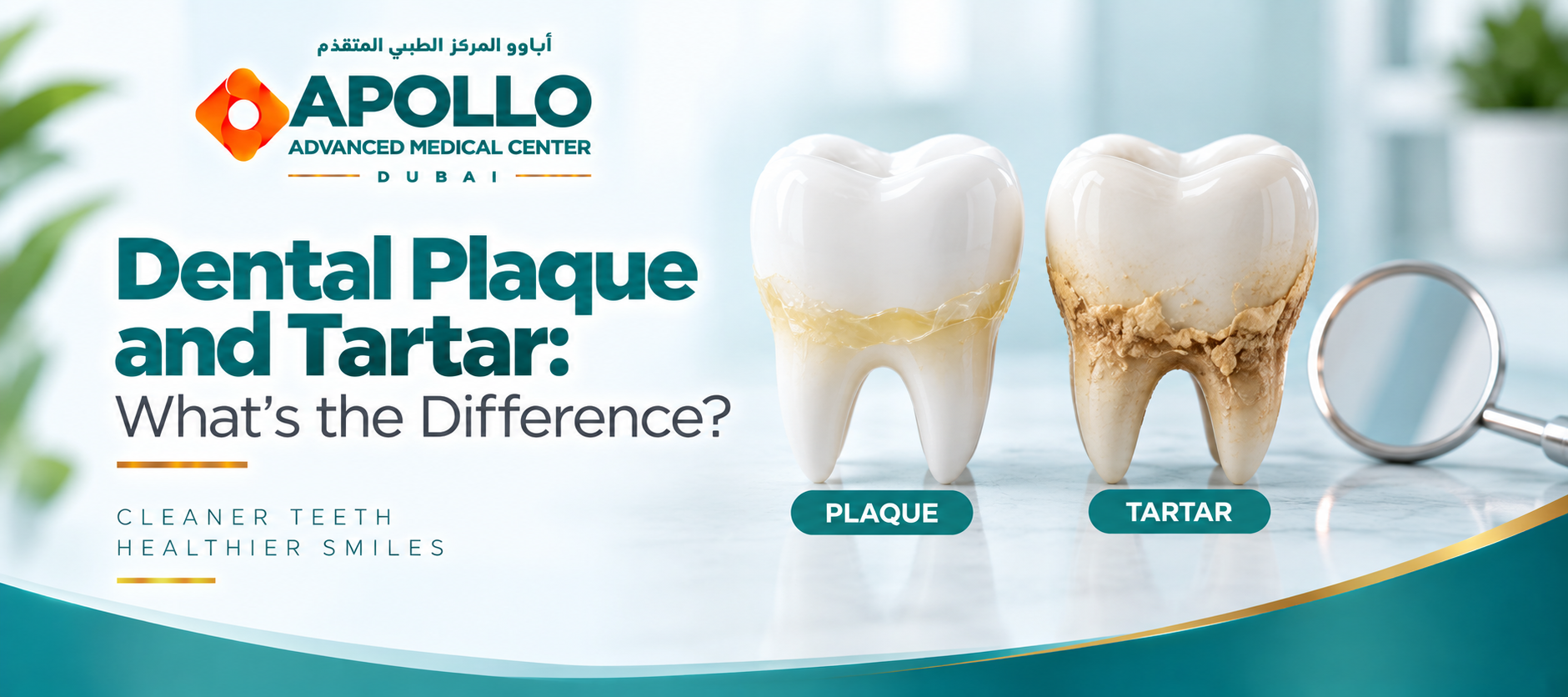
That Buildup on Your Teeth: Is It Plaque or Tartar?
A clean-looking smile does not always tell the full story of what is happening around your teeth and gums. One of the most common oral health concerns begins with something that is almost invisible: dental plaque.
Plaque forms naturally throughout the day. If it is not removed effectively through regular brushing and cleaning between the teeth, it can harden into tartar, also called calculus. Unlike soft plaque, tartar cannot simply be brushed away at home and generally requires professional dental cleaning.
Understanding the difference between plaque and tartar can make everyday oral hygiene easier to understand—and may help you recognise why regular dental care matters even when your teeth do not hurt.
What Is Dental Plaque?
Dental plaque is a sticky biofilm containing bacteria that forms on the surfaces of teeth. It can also accumulate around the gumline and between teeth, where a toothbrush may not reach effectively.
The mouth naturally contains many types of bacteria. After eating or drinking, these bacteria interact with substances in the mouth and contribute to the formation of plaque.
Plaque is not necessarily obvious. It can be colourless or have a pale appearance, which means a person may have plaque buildup without seeing it clearly in the mirror.
The important point is that plaque is soft and removable, particularly when it is regularly disrupted through brushing and interdental cleaning.
Why Does Plaque Matter?
Plaque that remains around the teeth and gums can contribute to gum inflammation. This may result in gingivitis, which can cause gums to become red, swollen or prone to bleeding.
Plaque can also contribute to tooth decay because the bacteria within plaque can produce acids that affect tooth enamel.
The good news is that regular oral hygiene can help control plaque before it becomes a harder deposit.
What Is Tartar?
Tartar is essentially hardened or calcified dental plaque.
When plaque remains on the teeth, minerals from saliva can cause it to harden. This hardened material is called tartar or calculus. Unlike soft plaque, tartar is firmly attached to the tooth surface and cannot normally be removed effectively with an ordinary toothbrush or floss.
Tartar may appear:
- Yellowish or brownish
- Rough or crusty
- Along the gumline
- Between teeth
- Behind the lower front teeth
- In areas that are difficult to clean thoroughly
The colour and amount of tartar can vary from person to person.
How Does Plaque Turn Into Tartar?
The process can be easier to understand in stages.
1. Plaque develops
Bacteria and other components in the mouth form a sticky film over tooth surfaces.
2. Plaque remains on the teeth
If brushing and cleaning between the teeth do not remove enough plaque, it can continue accumulating.
3. Minerals from saliva contribute to hardening
Over time, minerals in saliva can become incorporated into plaque, causing it to harden.
4. Tartar becomes firmly attached
Once calcified, the deposit becomes much more difficult to remove through normal home care.
5. Plaque can continue accumulating around the tartar
The rough surface of tartar can make effective plaque removal more challenging. This can contribute to ongoing gum irritation and inflammation.
This is why preventing tartar formation is generally easier than trying to remove established tartar later.
Why Does Tartar Sometimes Develop Quickly?
Not everyone develops tartar at the same rate.
Several factors can influence plaque and calculus accumulation, including:
Oral hygiene habits
Inadequate brushing or inconsistent cleaning between the teeth allows plaque to remain longer.
Tooth position
Crowded or overlapping teeth can create areas that are harder to reach with a toothbrush or interdental cleaner.
Saliva and individual differences
Saliva contains minerals that can contribute to calculus formation. Some people naturally develop deposits more readily than others.
Tobacco use
Tobacco use is an important risk factor for gum disease and can contribute to oral health problems.
Existing gum problems
Plaque and tartar can contribute to inflammation of the gums. When gum disease is present, professional assessment and treatment may be required rather than relying only on home care.
Can You Remove Tartar at Home?
This is one of the most common misconceptions about dental tartar.
Brushing and flossing are excellent ways to control plaque, but they cannot effectively remove established tartar.
Trying to scrape tartar away yourself with sharp objects or household tools is not a safe substitute for professional dental cleaning. It may injure the gums or damage the tooth surface.
Professional dental cleaning uses appropriate instruments to remove deposits safely. The NHS describes a scale and polish as a procedure in which a dental hygienist removes plaque and tartar buildup from the teeth.
The goal is not simply to make the teeth feel smoother. Professional cleaning can also help make daily plaque control easier.
Why Might Professional Dental Cleaning Be Needed?
Professional cleaning may be appropriate when tartar has accumulated or when a dental professional identifies areas that cannot be adequately maintained through routine home care.
During a dental visit, the clinician may assess:
- Plaque and tartar buildup
- Gum redness or swelling
- Bleeding during cleaning or examination
- Areas that are difficult to clean
- Tooth decay
- Existing restorations
- Signs that may require further periodontal assessment
For people with gum disease, cleaning requirements can be more involved. Depending on the condition, a dental professional may recommend procedures such as scaling and root planing, which are designed to clean affected tooth and root surfaces.
Not every patient requires the same type or frequency of professional cleaning. The appropriate schedule depends on individual oral health and professional assessment.
Common Mistakes That Allow Plaque to Build Up
Even people who brush regularly can miss important areas.
Brushing too quickly
A rushed brushing routine may leave plaque around the gumline and other difficult-to-reach surfaces.
Ignoring the gumline
Plaque commonly accumulates where teeth meet the gums. Paying attention to this area is an important part of effective brushing.
Not cleaning between teeth
A toothbrush cannot effectively clean every surface between tightly spaced teeth. Floss and other interdental cleaners can help reach these areas.
Brushing harder instead of brushing better
More pressure does not necessarily mean better cleaning. Effective technique and thorough coverage matter more than simply brushing aggressively.
Assuming mouthwash replaces brushing
Mouthwash can be part of an oral hygiene routine for some people, but it should not be viewed as a replacement for mechanical plaque removal through brushing and interdental cleaning.
Waiting until something hurts
Plaque and gum problems can develop without significant pain. Regular dental assessments can help identify problems that may otherwise go unnoticed.
Practical Ways to Reduce Plaque Buildup
A consistent routine is more useful than occasional intensive cleaning.
Brush twice a day
Experts recommend brushing teeth twice daily with fluoride toothpaste as part of good oral hygiene.
Clean between your teeth every day
Floss, interdental brushes or another appropriate interdental cleaning method can help remove plaque from areas a toothbrush cannot reach effectively.
Pay attention to the gumline
Gentle, thorough brushing along the gumline helps target an area where plaque can accumulate.
Do not try to scrape tartar yourself
Once plaque has hardened into calculus, professional removal is the appropriate approach.
Maintain regular dental care
Professional examinations and cleaning can complement your daily home routine and help identify gum or tooth problems at an earlier stage.
Does Tartar Always Mean You Have Gum Disease?
Not necessarily.
Tartar is a risk factor and contributing factor for gum problems, but seeing tartar does not by itself establish a diagnosis of gum disease.
A dental professional may need to assess the gums, teeth and surrounding tissues to determine whether inflammation or periodontal disease is present.
Signs such as persistent gum bleeding, swelling, redness, gum recession, loose teeth or persistent bad breath deserve professional attention.
When Should You See a Dentist?
Consider arranging a dental assessment if you notice:
- Persistent or frequent gum bleeding
- Red or swollen gums
- Visible tartar buildup
- Persistent bad breath
- Gum recession
- Tooth sensitivity or looseness
- Pain while chewing
- Changes in the way your teeth fit together
- Difficulty keeping certain areas clean
You do not necessarily need to wait for discomfort before seeking dental advice. Preventive dental care is designed to address oral health concerns before they become more complicated..
Plaque and tartar are not the same thing.
Plaque is a soft bacterial film that can usually be removed through consistent brushing and cleaning between the teeth. Tartar is hardened plaque that cannot be adequately removed with ordinary home brushing and generally requires professional cleaning.
The most effective approach is not to wait until tartar becomes noticeable. Daily plaque control, attention to the gumline, cleaning between the teeth and appropriate professional dental care can all play a role in maintaining healthier teeth and gums.
A professional cleaning is not a replacement for home care—and home care is not always enough to remove established tartar. The two work together as part of preventive oral health.
If you have noticed tartar buildup, bleeding gums or difficulty keeping certain areas of your teeth clean, a professional dental assessment can help you understand what is happening and what type of care may be appropriate.
Apollo Advanced Medical Center is located in Al Rigga, Union, Dubai, near Fish Roundabout. For appointments and enquiries, you can contact the center at 04 286 4876 or WhatsApp +971 52 892 0301.