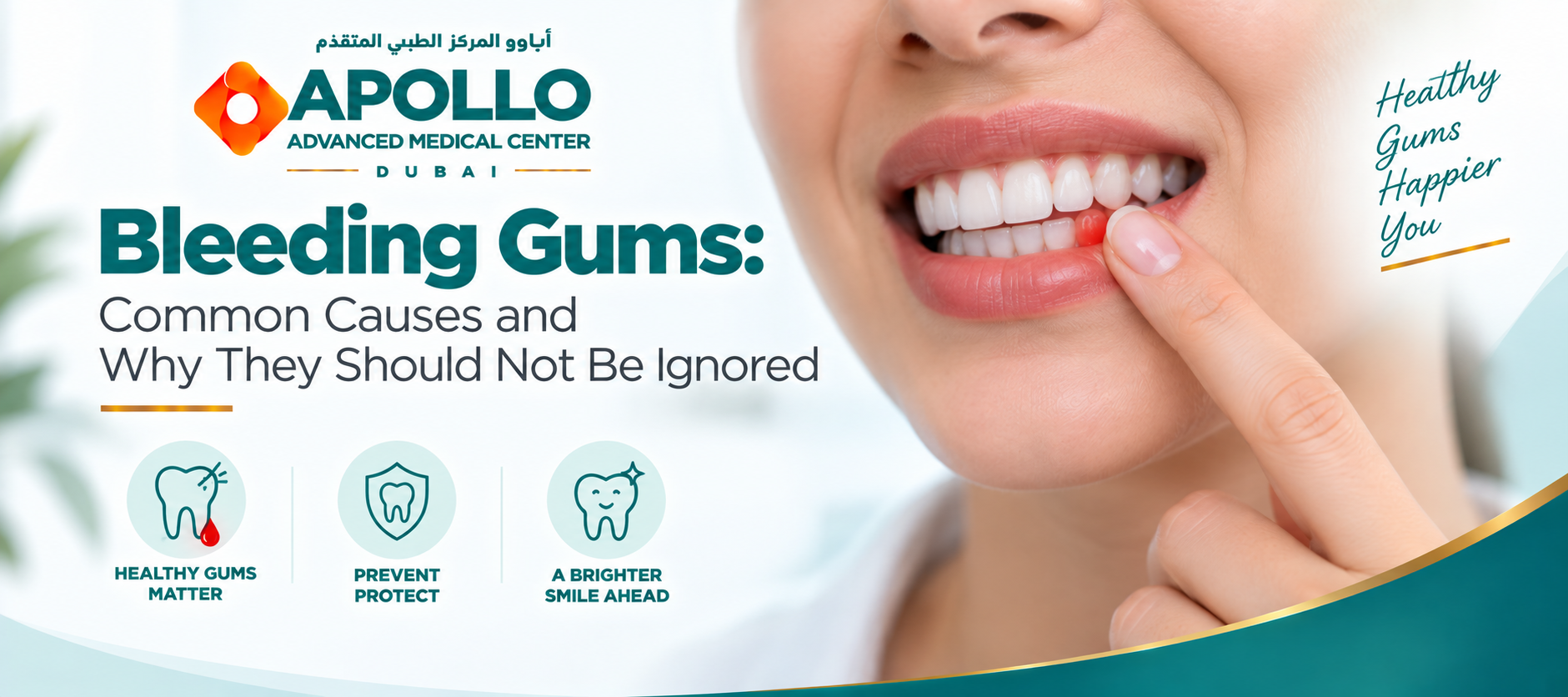
Healthy Gums Matter: Causes of Bleeding Gums and Prevention Tips
Seeing a little blood when you brush or floss can be easy to dismiss. You may think you brushed too hard, skipped flossing for a few days, or simply have sensitive gums. Sometimes, however, bleeding gums are an early sign that your gums need more attention.
The most common reason is plaque buildup along the gumline. Plaque is a sticky film containing bacteria that forms naturally on teeth. When it is not removed regularly, it can irritate the gums and cause inflammation known as gingivitis. Gingivitis can make gums red, swollen and more likely to bleed.
The good news is that early gum inflammation can often be improved with appropriate oral hygiene and professional care when needed. The important part is recognizing persistent bleeding rather than treating it as something that should simply be accepted.
What Causes Bleeding Gums?
Bleeding gums can have several causes, but plaque-related inflammation is one of the most common.
1. Plaque Buildup Along the Gumline
Plaque develops continuously on teeth. If it is not removed through regular brushing and cleaning between the teeth, it can accumulate around the gumline.
The bacteria in plaque can trigger an inflammatory response in the gums. As a result, the gums may become:
- Redder than usual
- Swollen
- Tender
- More likely to bleed during brushing or flossing
If plaque remains for too long, it can harden into tartar, also called calculus. Unlike soft plaque, tartar cannot be removed effectively with ordinary brushing and flossing and generally requires professional cleaning.
This is one reason why simply brushing harder when your gums bleed is not necessarily the right solution.
2. Gingivitis: An Early Form of Gum Disease
Gingivitis is inflammation of the gums and is commonly associated with plaque accumulation.
Bleeding while brushing or cleaning between the teeth can be an early warning sign. Other possible signs include redness, swelling and tenderness.
One important point is that gingivitis is generally reversible when the underlying plaque buildup is properly controlled. Good daily oral hygiene and appropriate professional care can help manage the condition.
That makes persistent bleeding worth paying attention to—even when there is no significant pain.
Can Brushing Too Hard Make Your Gums Bleed?
Yes, brushing technique matters.
Some people believe that applying more pressure gives them a better clean. In reality, aggressive scrubbing is not necessary and may irritate the gums.
The National Institute of Dental and Craniofacial Research recommends using a soft-bristled toothbrush, positioning the bristles toward the gumline and brushing gently with small circular movements rather than scrubbing forcefully back and forth.
A better brushing approach
Try to:
- Use a soft-bristled toothbrush.
- Brush twice a day with fluoride toothpaste.
- Use gentle, controlled movements.
- Pay attention to the gumline.
- Clean all tooth surfaces rather than concentrating only on the front teeth.
- Replace your toothbrush when the bristles become worn.
Good technique is more important than excessive pressure.
What Happens If You Stop Flossing Because Your Gums Bleed?
This is a common mistake.
Someone notices blood while flossing and assumes that flossing is causing the problem, so they stop. But if plaque between the teeth is contributing to gum inflammation, avoiding interdental cleaning can allow that plaque to remain.
Toothbrush bristles cannot effectively clean every surface between tightly positioned teeth. Floss and other interdental cleaners are designed to reach these areas.
That does not mean you should force floss through the gums or continue an aggressive technique.
The NIDCR specifically notes that snapping floss through tight spaces can injure delicate tissue. A controlled sawing motion can help guide the floss between teeth without forcing it.
If traditional floss is difficult to use, alternatives such as interdental brushes or water flossers may be appropriate for some people. The most suitable option can depend on the spacing between teeth and individual oral health needs.
When Bleeding Gums May Indicate More Advanced Gum Disease
Not all gum problems remain at the gingivitis stage.
If plaque and tartar are allowed to accumulate and gum inflammation progresses, it can develop into periodontitis, a more serious form of gum disease involving the tissues that support the teeth.
Periodontitis can cause the gums to pull away from the teeth and can damage the supporting tissues and bone. Possible signs include persistent bleeding, gum recession, loose or sensitive teeth, painful chewing and persistent bad breath.
Unlike gingivitis, established periodontitis cannot simply be reversed with improved brushing alone. It can, however, be managed and slowed with appropriate professional treatment and ongoing oral care.
This is why persistent bleeding should not be ignored.
Other Factors That Can Affect Gum Health
Plaque is an important cause, but it is not the only factor that can influence gum health.
Certain factors are associated with a higher risk of gum disease, including tobacco use, diabetes, age, genetics and some medications or health conditions.
This does not mean that someone with one of these factors will automatically develop gum disease. It simply means that individual circumstances can affect oral health and may influence how carefully gum problems should be monitored.
If you take medication that you believe may be affecting bleeding, do not stop or change it on your own. Discuss your concerns with the appropriate healthcare professional.
Common Mistakes People Make When Their Gums Bleed
Mistake 1: Brushing harder
More pressure does not necessarily mean better plaque removal. Gentle, thorough brushing is recommended.
Mistake 2: Stopping flossing completely
If plaque between the teeth is contributing to inflammation, stopping interdental cleaning may leave the underlying problem unresolved.
Mistake 3: Treating mouthwash as a replacement for brushing
Some antimicrobial mouthrinses can provide additional plaque and gingivitis control in appropriate circumstances, but mouthwash does not replace mechanical plaque removal through brushing and interdental cleaning.
Mistake 4: Waiting for pain before seeing a dentist
Gum disease can develop with relatively few noticeable symptoms, particularly in its earlier stages. Bleeding itself can be an important sign that deserves attention.
Mistake 5: Assuming bleeding is always harmless
Occasional bleeding may have a simple explanation, but recurring or persistent bleeding should not automatically be considered normal.
When Should You See a Dentist About Bleeding Gums?
Consider arranging a professional dental evaluation if your gums repeatedly bleed, particularly if the bleeding continues despite improving your oral hygiene routine.
A dental assessment is particularly appropriate if bleeding is accompanied by:
- Red or swollen gums
- Gum tenderness
- Persistent bad breath
- Gum recession
- Teeth that feel loose
- Tooth sensitivity
- Pain while chewing
- Changes in how your teeth fit together
- Persistent or worsening oral discomfort
You should also seek prompt professional attention if you have significant swelling, severe pain, or other symptoms that concern you.
The purpose of an evaluation is not simply to confirm that your gums are bleeding. A dentist can examine the gums and teeth, assess areas of inflammation, measure the spaces around the teeth when appropriate, and determine whether there are signs of periodontal disease. In some situations, dental X-rays may be used to assess supporting bone.
What Can a Dental Professional Check?
A professional evaluation can look beyond what you can see at home.
A dentist may assess:
Gum inflammation
Redness, swelling and bleeding can provide clues about gum health.
Plaque and tartar
Tartar that has accumulated around the teeth cannot be removed effectively through ordinary home brushing. Professional cleaning may therefore be recommended.
Periodontal pockets
A dental professional can measure the spaces around teeth using a periodontal probe. Deeper pockets can indicate periodontal disease.
Tooth and gum changes
Recession, tooth mobility, sensitivity or changes in the way teeth meet can provide additional information about oral health.
The appropriate assessment depends on the individual's symptoms and findings.
How Can You Protect Your Gums Every Day?
Healthy gums require consistency rather than complicated routines.
Brush twice daily
Use fluoride toothpaste and brush gently for approximately two minutes.
Clean between your teeth
Use floss or another suitable interdental cleaner regularly to remove plaque from areas a toothbrush cannot reach.
Avoid aggressive brushing
Gentle technique is preferable to hard scrubbing.
Do not ignore persistent bleeding
If your gums repeatedly bleed, consider discussing the issue with a dental professional rather than continually changing products or brushing harder.
Have routine dental care
Regular dental examinations and professional cleaning when recommended can help identify oral health concerns before they become more complicated.
Avoid tobacco
Tobacco use is an important risk factor for gum disease and can also affect healing.
Does Bleeding Always Mean You Have Gum Disease?
No.
Bleeding gums can occur for different reasons, and bleeding alone cannot establish a diagnosis. However, because bleeding is a recognized sign of gingival inflammation and gum disease, repeated bleeding should not simply be dismissed.
The distinction matters.
It is better to think of bleeding gums as a reason to pay attention, rather than as proof that you have a particular condition.
Why Early Attention Matters
The progression from mild gum inflammation to more advanced periodontal disease does not happen identically in everyone. However, untreated gum disease can damage the tissues and bone supporting the teeth and, in advanced cases, contribute to tooth loss.
Early attention gives you an opportunity to understand what is happening and improve your oral care before a potentially more complicated problem develops.
That is one reason dental care should not begin only when something hurts.
Don't Ignore What Your Gums Are Telling You
Bleeding gums may seem like a minor inconvenience, especially when there is no pain. But recurring bleeding can be a visible sign of gum inflammation and should not automatically be considered normal.
Start with the basics: brush gently twice a day, clean between your teeth regularly, avoid aggressive brushing, and maintain routine dental care.
If bleeding persists or occurs alongside swelling, gum recession, bad breath, tooth sensitivity, loose teeth or painful chewing, professional dental evaluation becomes particularly important.
Your gums play an essential role in supporting your teeth. Paying attention to them today can help you make better decisions about your oral health tomorrow.
Don't ignore recurring bleeding gums.
If your gums bleed regularly or you have noticed swelling, tenderness, gum recession, sensitivity or other changes in your mouth, consider arranging a professional dental evaluation.
Apollo Advanced Medical Center in Al Rigga, Union, Dubai provides dental care and professional consultations for patients looking to understand and maintain their oral health.